
Grocery budgeting
How to plan meals around sales
Planning the week first and hunting discounts second gets you almost nothing. Reverse it — pick the protein from the offers, then build around it.
By Joao Dunlap · · 4 min read
The short version
- Let the offers pick the protein. Build the week around it, not the other way round.
- Keep a flexible skeleton: five meal shapes that work with any protein.
- Only a genuine discount on something you already buy is a saving.
- Buy the offer, portion it, freeze it. That is where the money actually lands.
Most people plan a week of meals and then look for discounts on what they already decided to buy. That order almost never works — the offers rarely match the plan, and the few that do save a couple of dollars.
Reversing it changes the size of the saving completely. Protein is the largest line on a grocery bill, so letting the week's offers choose which protein you cook is the one decision that meaningfully moves the total.
The flexible skeleton
The trick is to plan meal shapes rather than specific recipes. A shape accepts whatever protein was cheapest that week, so the plan never has to be rewritten.
| Shape | Works with | Base cost is fixed |
|---|---|---|
| Traybake | Any meat, sausages, chickpeas, firm fish | Potatoes, onions, whatever veg is cheap |
| Stir-fry | Any thin-sliced meat, tofu, eggs, prawns | Rice, cabbage, carrots |
| Stew or chilli | Any tough cut, mince, pulses | Tinned tomatoes, onion, pulses |
| Tacos or wraps | Any mince, shredded meat, beans | Tortillas, cabbage, cheese |
| Pasta and sauce | Any mince, tinned fish, lentils | Pasta, tinned tomatoes |
The method
- 1
Check the offers before you plan anything
Five minutes in the app or the flyer, looking only at proteins and produce. Ignore everything else — the discounts on packaged goods are not where the money is.
- 2
Pick two proteins for the week
Whichever two are genuinely reduced. Two is enough for variety and few enough that you finish both.
- 3
Assign them to shapes
Reduced mince becomes chilli and tacos. Reduced thighs become a traybake and a curry. The shape absorbs whatever arrived.
- 4
Fill the rest with pulses
Two or three meat-free nights on lentils or beans at around $1.89 a pound. This is what keeps the average down when nothing good is reduced.
- 5
Buy the offer in quantity and freeze it
A real discount on a protein you eat regularly is worth buying twice over, portioned and frozen the same day. This is where the saving compounds rather than being a one-week event.
Which offers are actually offers
Recipes that take whatever was cheap
Each of these is a shape rather than a fixed dish — swap the protein for whatever was reduced. From the NeatEat library, which re-prices the week when you swap.
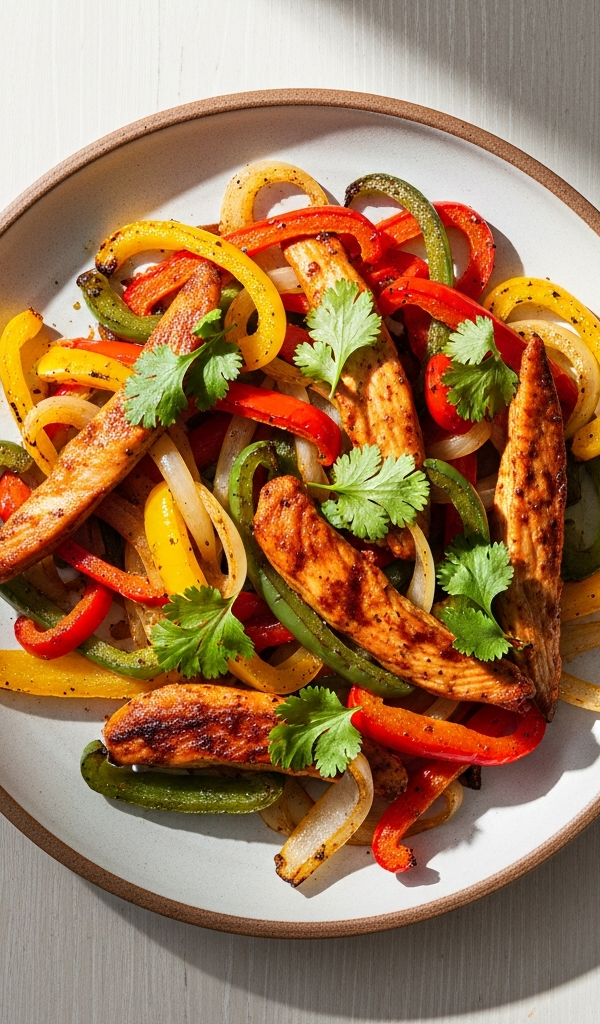 25 min
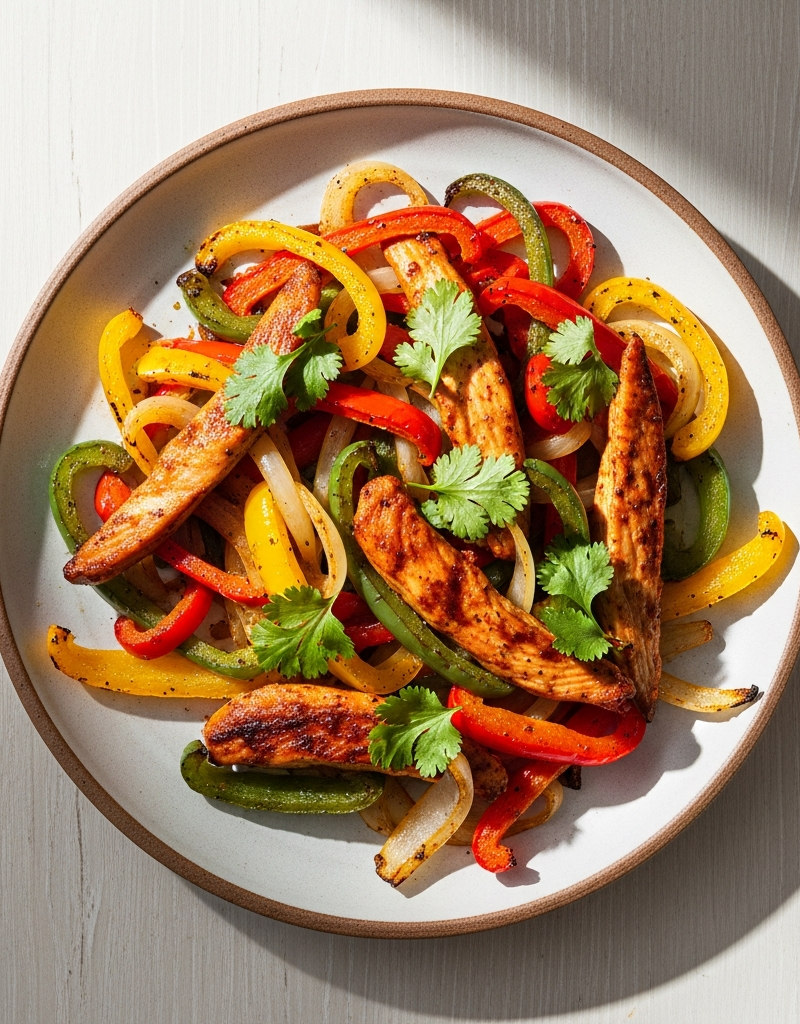
Sheet-Pan Chicken Fajitas
One tray, and the peppers do the work.
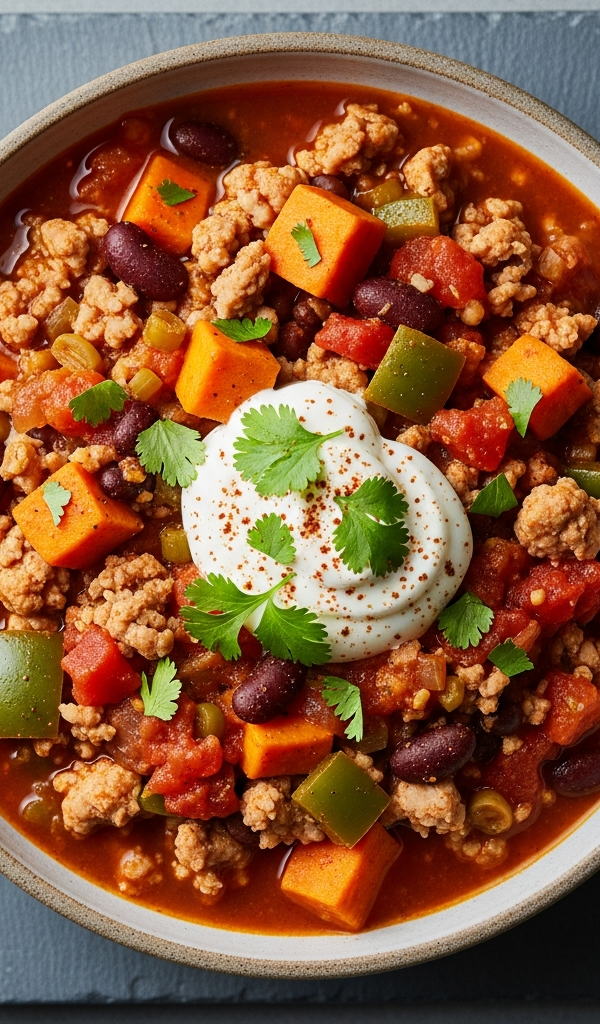 20 min
Sweet Potato Turkey Chili
Big flavour, cheap cut, reheats better than it cooks.
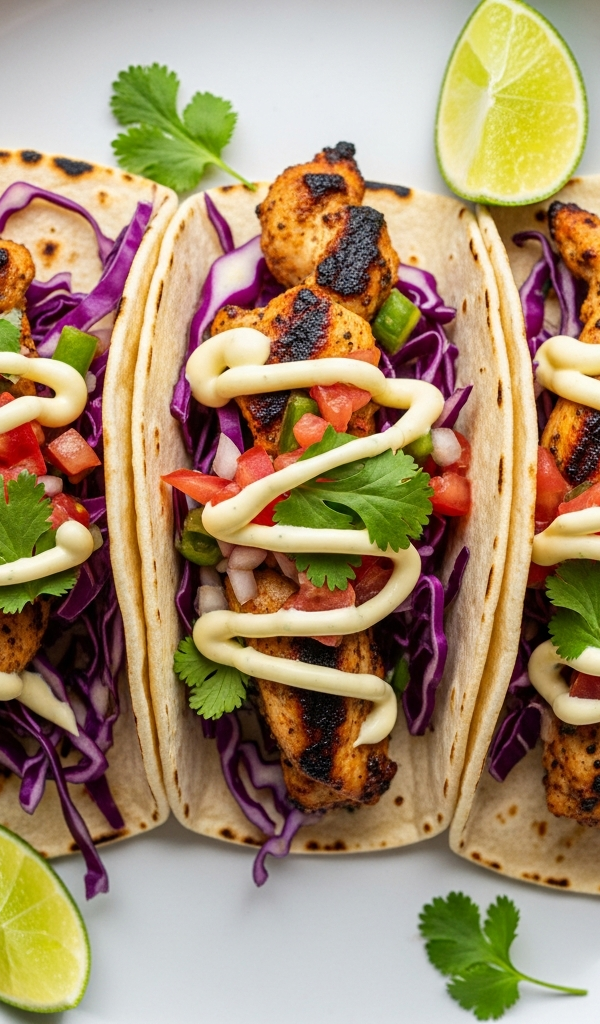 35 min
Baja Chicken Tacos
Feeds a table. Everyone builds their own.
 45 min
Greek Chicken and Vegetable Traybake
Everything roasts together. One thing to wash.
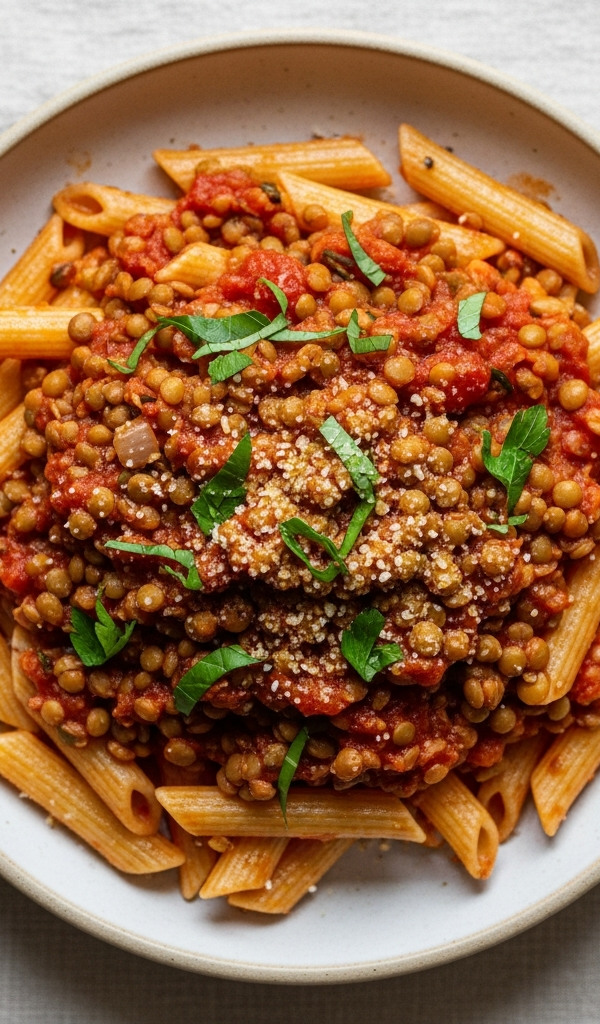 20 min
Pasta with Lentil Tomato Sauce
Lentils instead of mince. Nobody notices.
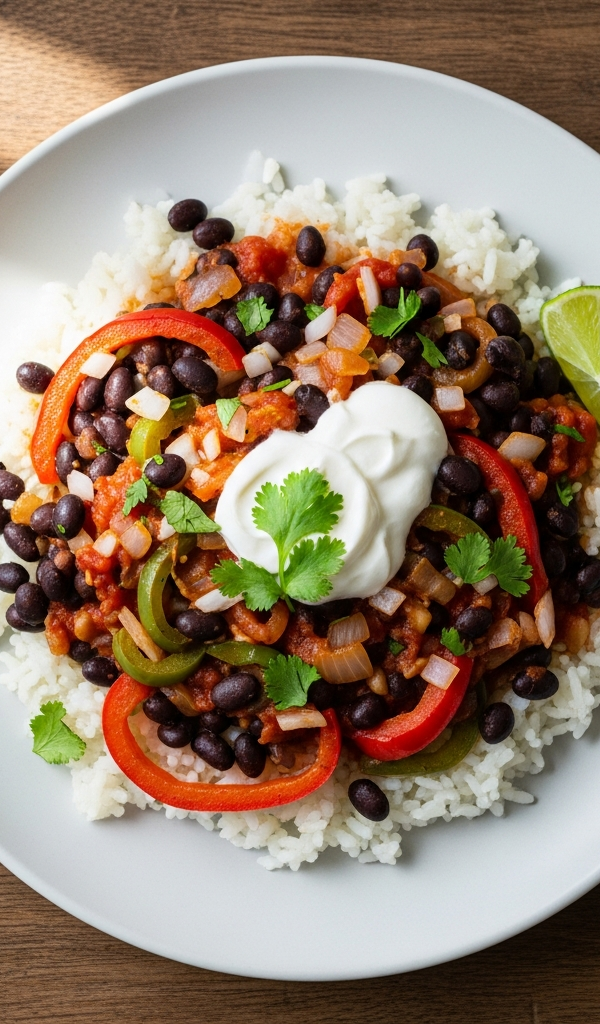 45 min
Simple Black Bean and Rice Skillet
One pan, under 40 cents of protein a serving.
Frequently asked questions
How do I meal plan around what is on sale?
Check the offers before you plan rather than after. Pick two proteins that are genuinely reduced, assign them to flexible meal shapes - traybake, stir-fry, stew, tacos, pasta - and fill the remaining nights with pulses. Because the base of each shape is cheap and shelf-stable, only the protein slot needs to change from week to week.
Is it worth shopping the weekly ads?
Only for proteins and produce. Those are the lines large enough for a discount to matter, and protein is typically 35-45% of a grocery bill. Discounts on packaged and processed goods are usually on items that were not on your list, which makes them an addition rather than a saving.
How do I know if a sale is actually a good deal?
Ask whether the item would have been on your list at full price. If not, buying it is a new cost regardless of the discount. A real deal is a markdown on something you buy regularly, at a price you recognise as genuinely low - and the right response to that is to buy deep and freeze it.
Should I buy extra when meat is on offer?
Yes, if you portion and freeze it the same day. A real discount on a protein you eat every week is one of the few places where buying more genuinely saves money, because it carries the saving into future weeks. Left unportioned in the fridge it usually becomes waste instead.