
Grocery budgeting
How to save money on meat
Meat is 35–45% of a grocery bill, so it is the only line where one change moves the total. Thighs are $1.79 a pound against $4.99 for breast.
By Joao Dunlap · · 4 min read
The short version
- Bone-in thighs $1.79/lb vs breast $4.99/lb — a $3.20 difference for better roasting meat.
- Cut choice beats brand choice, store choice and coupons combined.
- Cheap cuts are cheap because they need time, not because they are worse.
- Use meat as flavour rather than as the centre and a pound feeds four dinners.
Protein is usually the largest line on a grocery receipt — commonly 35 to 45% of it. That makes it the only category where a single decision meaningfully changes the total, and it is why cutting the meat line matters more than every coupon in the app.
The saving is not about buying worse meat. It is about buying the cuts that are cheap for reasons that do not matter once you know how to cook them.
Price per pound, compared
| Cut | Pack | Per pound | Best used for |
|---|---|---|---|
| Bone-in chicken thighs | 5 lb · $8.95 | $1.79 | Roasting, traybakes, curries |
| Pork shoulder | 3 lb · $7.47 | $2.49 | Slow cooking, pulled, stews |
| Ground turkey | 1 lb · $4.99 | $4.99 | Chilli, bolognese, meatballs |
| Ground beef, 80/20 | 1 lb · $5.49 | $5.49 | Chilli, burgers, sauces |
| Chicken breast | 2 lb · $9.98 | $4.99 | Fast cooking — and easy to ruin |
Why cheap cuts are cheap
Almost every inexpensive cut is inexpensive for one of two reasons: it contains connective tissue that needs time to break down, or it has a bone in it. Neither makes it worse. Both make it slower.
Make a pound go further
- 1Treat meat as seasoning, not centre. A half pound of mince through a lentil bolognese feeds four and tastes like a meat sauce.
- 2Bulk with pulses. Half mince, half lentils in a chilli is nearly undetectable and cuts the protein cost of the dish roughly in half.
- 3Buy the family pack and split it the day you get home. The per-pound saving is real; the waste from not portioning it cancels it out.
- 4Use the bones. A carcass or a handful of bones makes stock worth several dollars, from something you already paid for.
- 5Have two meat-free dinners a week. Larger than any cut-switching saving, and it is the change most households have most room for.
Cheap cuts, cooked properly
Dishes built for the inexpensive end of the meat counter — long cooks, bone-in cuts and mince stretched with pulses. From the NeatEat library.
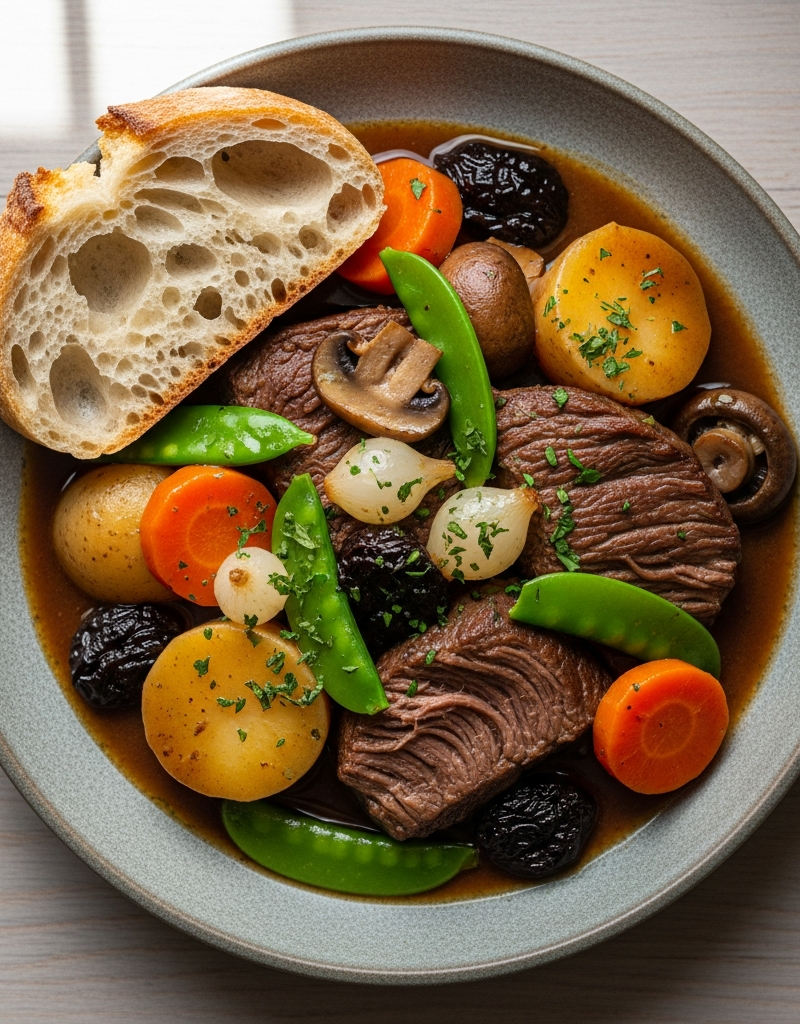
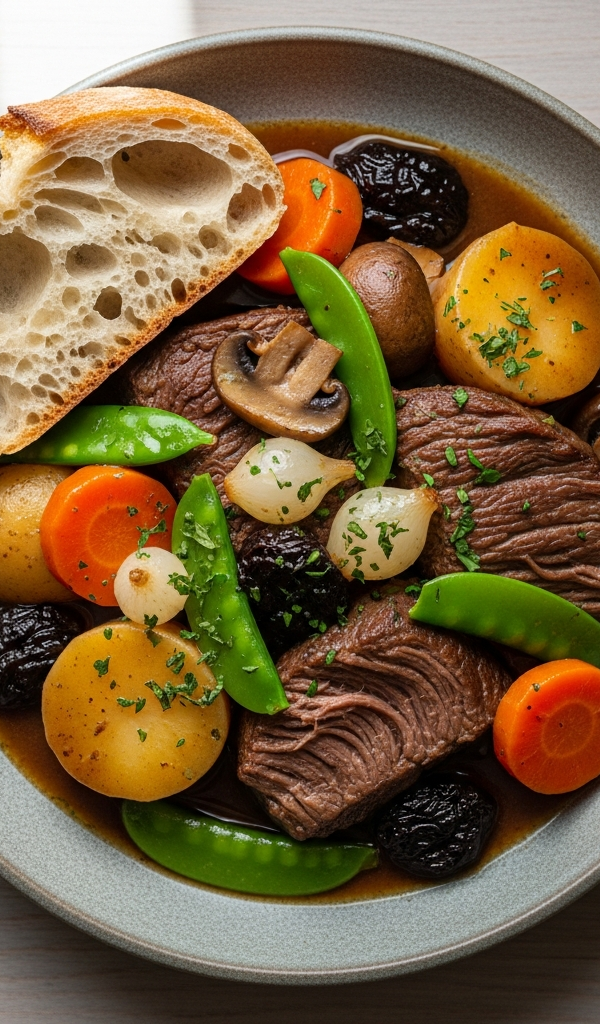 110 min
Slow-Cooked Beef and Vegetable Stew
Cheap cut, long cook, nothing to watch.
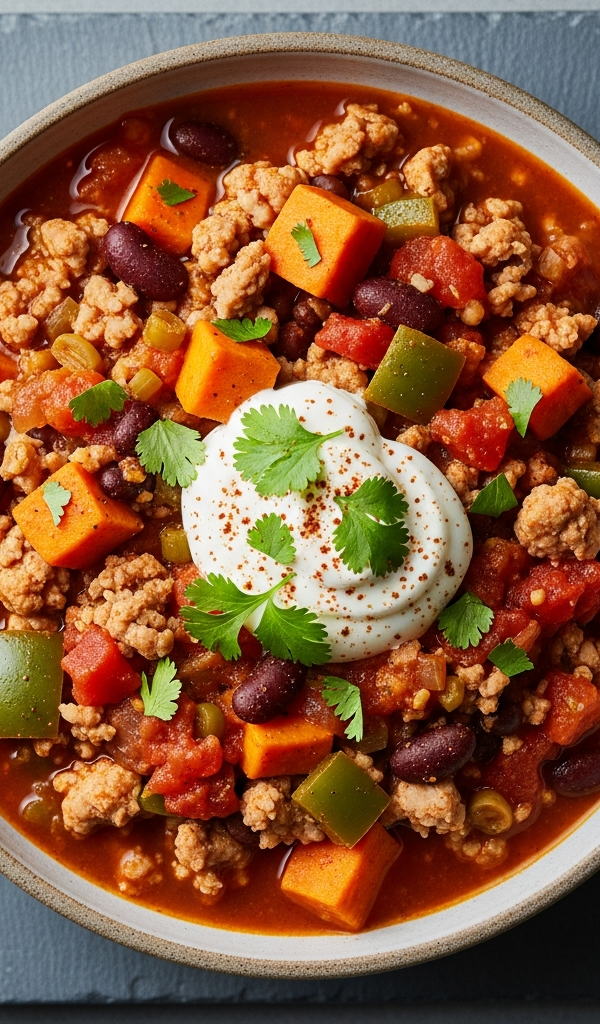 20 min
Sweet Potato Turkey Chili
Big flavour, cheap cut, reheats better than it cooks.
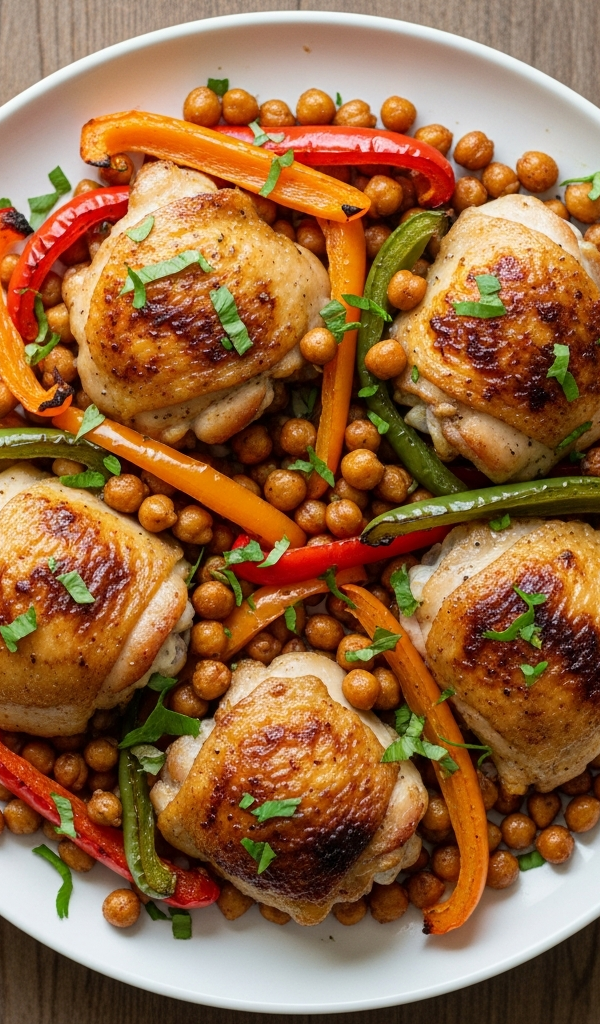 50 min
Sheet-Pan Chicken with Roasted Chickpeas
One tray, and leftovers carry two more meals.
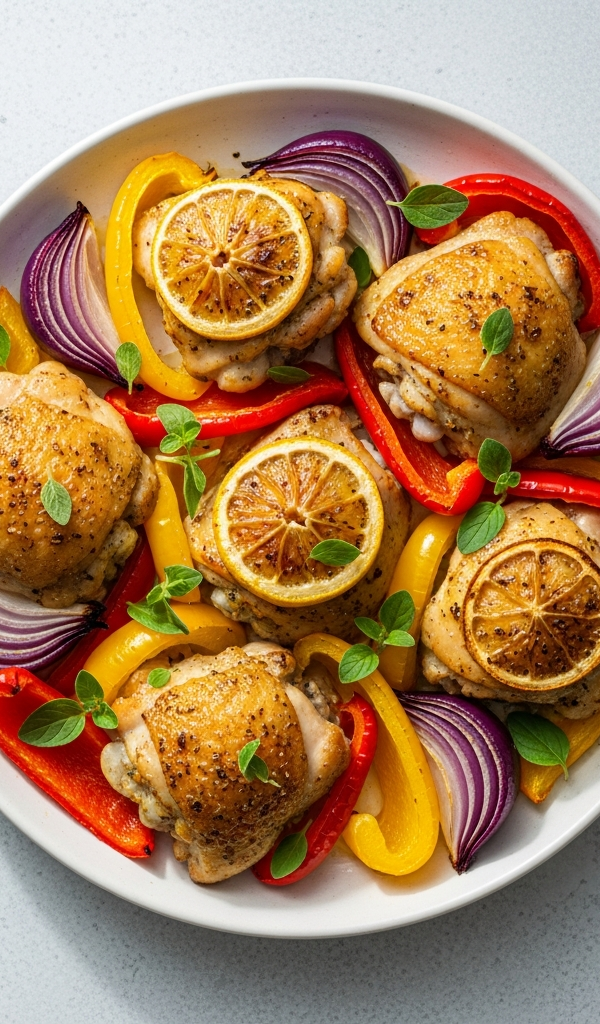 45 min
Greek Chicken and Vegetable Traybake
Everything roasts together. One thing to wash.
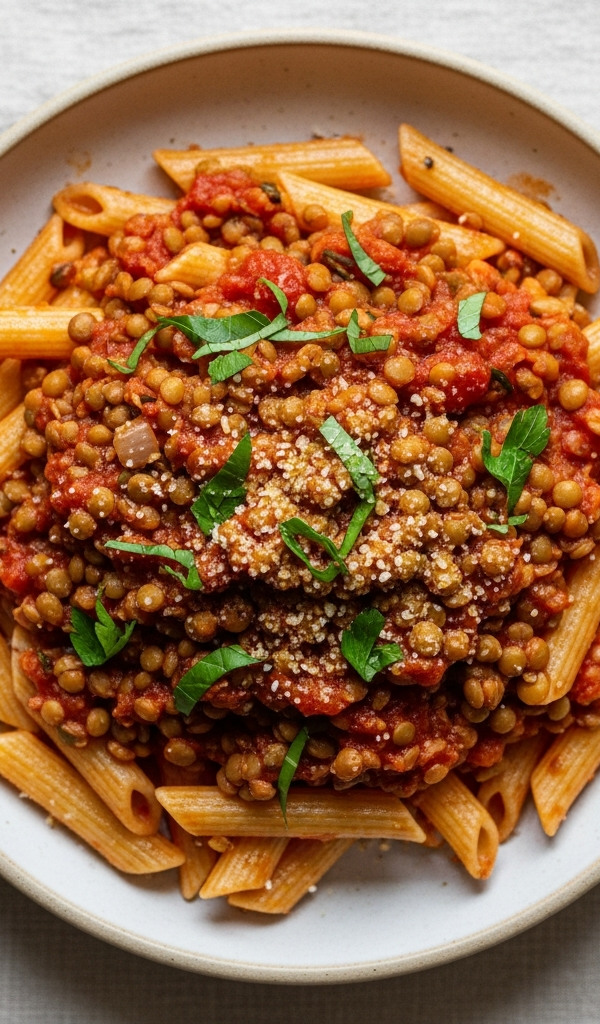 20 min
Pasta with Lentil Tomato Sauce
Lentils instead of mince. Nobody notices.
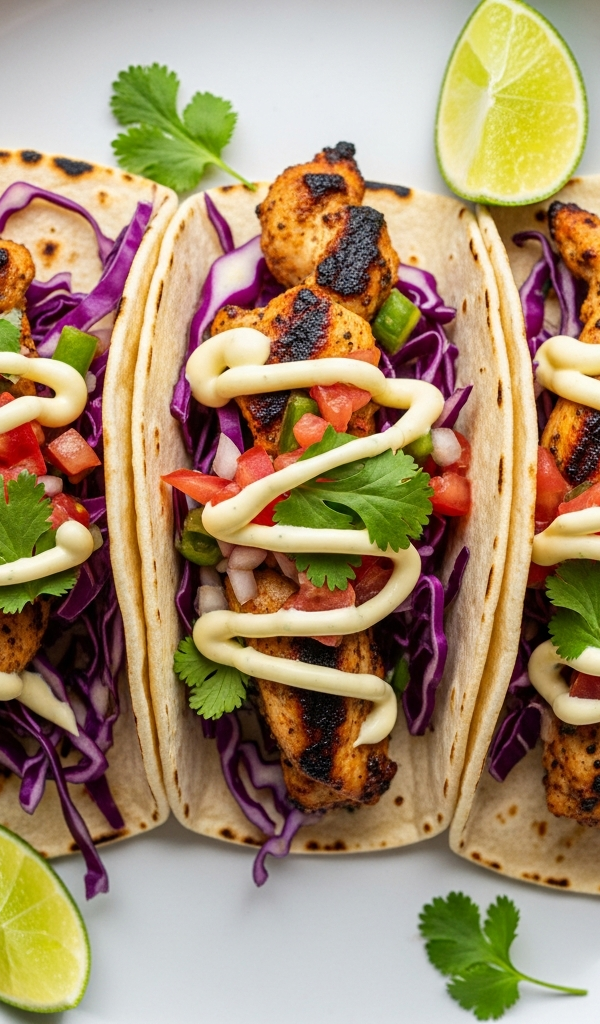 35 min
Baja Chicken Tacos
Feeds a table. Everyone builds their own.
Frequently asked questions
What is the cheapest cut of meat?
Bone-in chicken thighs, at around $1.79 a pound in this basket, followed by pork shoulder at about $2.49. Both are cheap because they need longer cooking or contain bone, not because they are lower quality - for roasting, stewing and currying they are the better ingredient as well as the cheaper one.
Is chicken thigh cheaper than breast?
Considerably. Bone-in thighs work out around $1.79 a pound against $4.99 for breast - a difference of about $3.20 a pound. Thighs are also far more forgiving to cook, since the extra fat and the bone keep them moist well past the point where breast dries out.
How do I make meat last longer in meals?
Use it as flavour rather than as the centre of the plate. Half a pound of mince cooked through lentils makes a bolognese that feeds four and still tastes like a meat sauce. Bulking with pulses roughly halves the protein cost of a dish and is very hard to detect in anything saucy.
Is buying meat in bulk cheaper?
Per pound, yes - family packs are usually meaningfully cheaper. The saving only survives if you portion and freeze it the day you get home. A large pack that partly spoils or gets cooked all at once costs more per portion actually eaten than the small pack would have.