
Meal planning
Monthly meal planning
Planning a whole month of meals almost always fails. Planning the month's budget and staples while shopping weekly does not — here is the split that works.
By Joao Dunlap · · 4 min read
The short version
- Plan the month at the level of budget and staples. Plan meals a week at a time.
- A month of fixed menus fails because fresh food does not keep and plans do not survive.
- One big monthly shop for shelf-stable items, then short weekly top-ups.
- A two-person month runs around $366.66 — the number worth planning at.
Monthly meal planning is usually sold as planning thirty dinners in one sitting. Almost nobody sustains that, and the reason is not laziness — fresh food does not last a month, and neither does a calendar.
But there is a version that works well, and it is a split: some things are genuinely monthly, and some are stubbornly weekly. Getting them the right way round is the whole method.
What is monthly and what is weekly
Get these the right way round
Plan monthly
Plan weekly
The total budget for food.
Which meals happen on which nights.
Shelf-stable staples — rice, pasta, tins, dried pulses.
Fresh produce, dairy, bread, anything with a date on it.
Bulk protein bought and frozen in portions.
What gets taken out of the freezer.
A rough rotation of meals you like.
The actual week, around your actual calendar.
One large shop.
One short top-up.
The monthly half
- 1
Set the month's food number
Take your weekly grocery figure and multiply by 4.3, not 4 — there are 52 weeks in 12 months. For two people cooking at home that lands around $366.66.
- 2
Do one big shelf-stable shop
Rice, pasta, oats, tinned tomatoes, dried pulses, oil, tinned fish. None of it spoils, all of it is cheaper in larger formats, and it removes most of the volume from every weekly trip afterwards.
- 3
Buy protein in bulk and portion it the same day
Family packs are meaningfully cheaper per pound. Split and freeze them flat the day you get home — the saving only exists if the portioning actually happens.
- 4
Write a rotation, not a calendar
A list of ten to twelve meals you are happy to eat this month, not a fixed date for each. The rotation is the planning; picking from it is the weekly job.
The weekly half
Every week, pick from the rotation against the actual calendar, then do a short shop for fresh things only. Because the staples and the protein are already in the house, that shop is small, fast and hard to overspend.
- Look at the week's evenings first. Three busy nights means three fast meals from the rotation, not three ambitious ones.
- Check the freezer before the shop. A portioned protein already there decides half the week.
- Buy fresh for about five days, not seven. The back half of the week runs on frozen and long-keeping vegetables.
- Keep the running total against the monthly number, so week four is not a surprise.
Rotation meals worth having
Dishes that batch, freeze and repeat well — the backbone of a monthly rotation. From the NeatEat library, which keeps the weekly half to about two minutes.
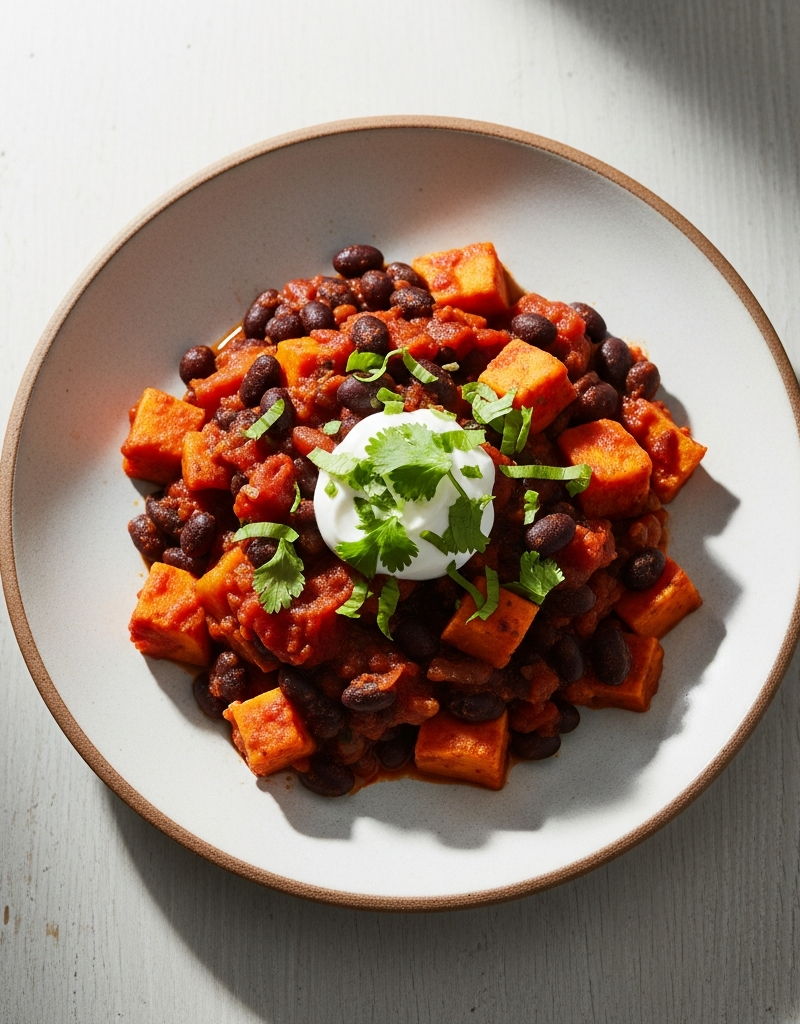
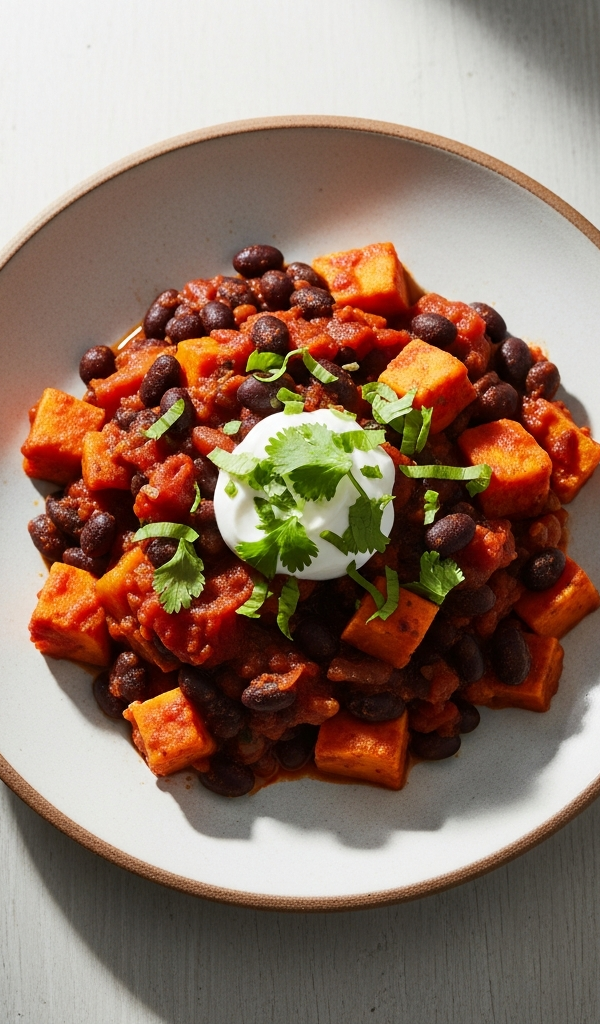 75 min
Sweet Potato and Black Bean Chili
Freezes perfectly, costs almost nothing.
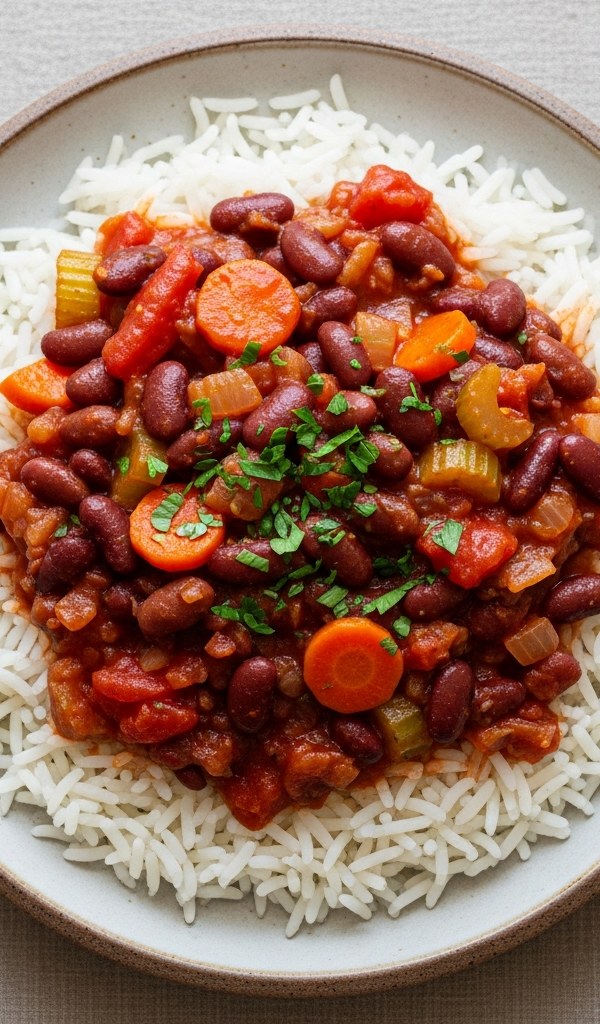 45 min
Hearty Kidney Bean Stew with Rice
One pot, and it improves overnight.
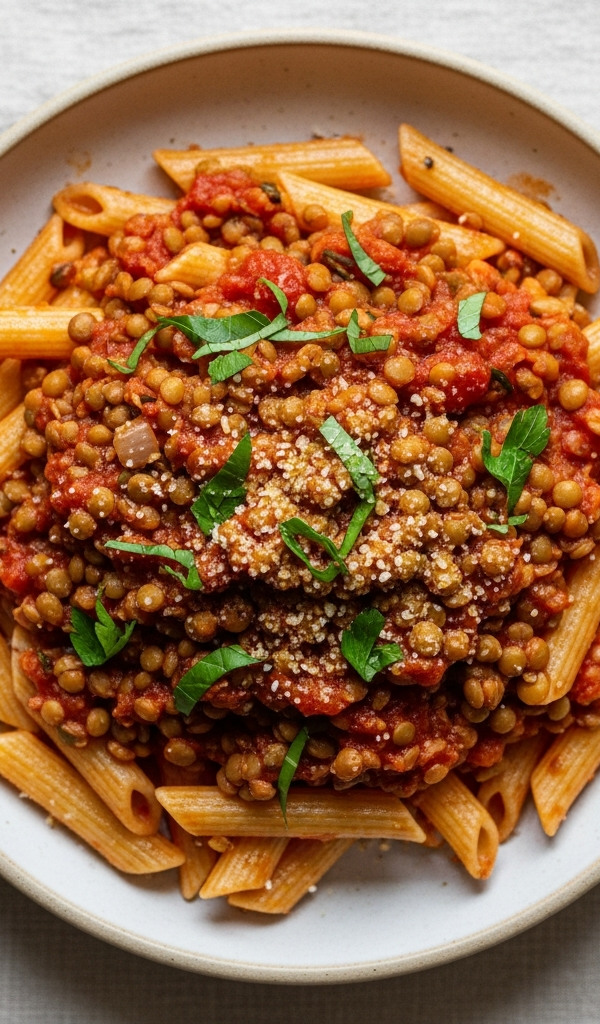 20 min
Pasta with Lentil Tomato Sauce
Lentils instead of mince. Nobody notices.
 45 min
Greek Chicken and Vegetable Traybake
Everything roasts together. One thing to wash.
 20 min
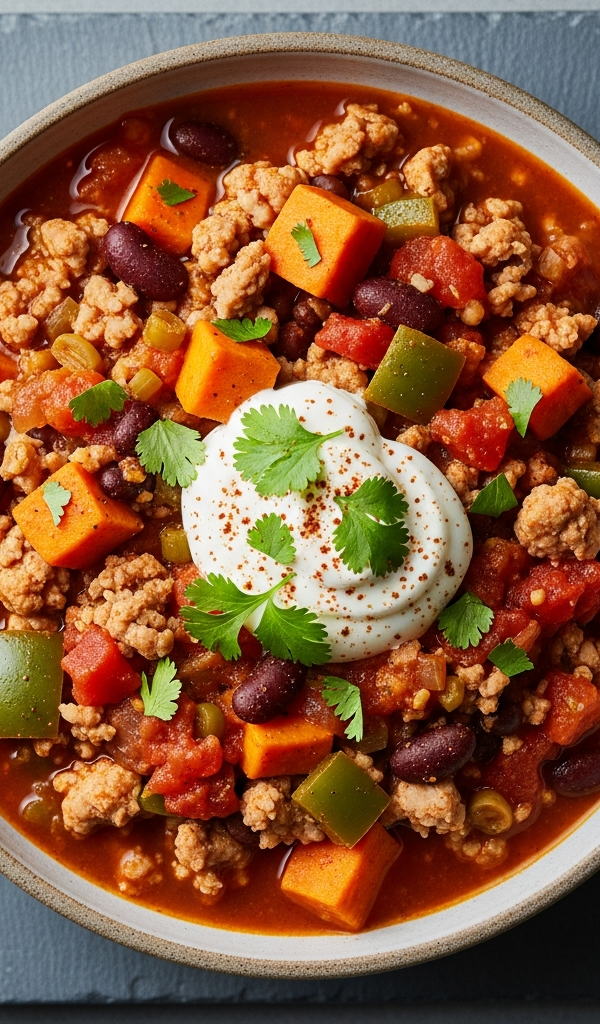
Sweet Potato Turkey Chili
Big flavour, cheap cut, reheats better than it cooks.
 45 min
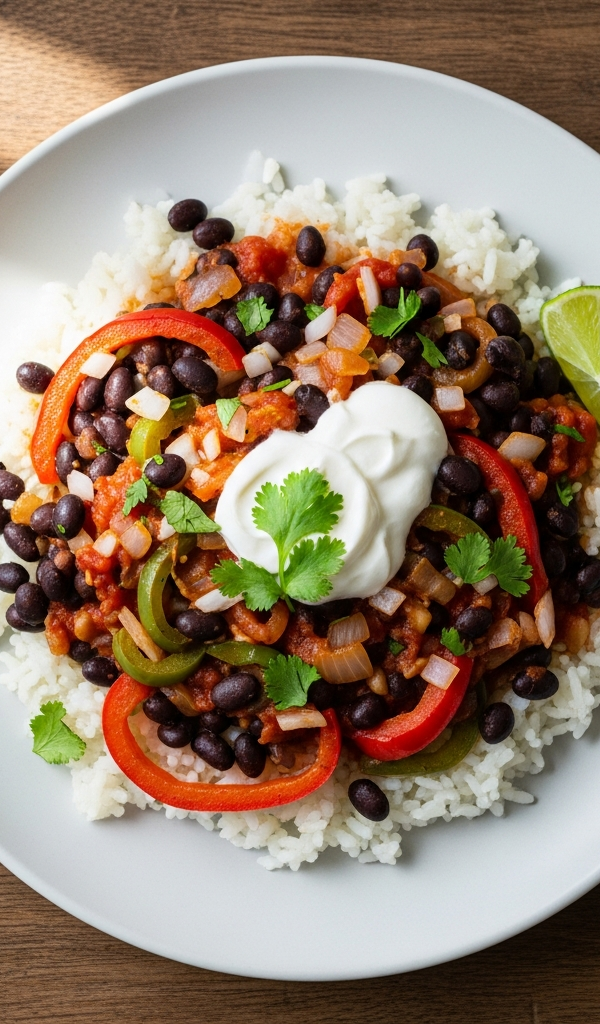
Simple Black Bean and Rice Skillet
One pan, under 40 cents of protein a serving.
Frequently asked questions
How do I meal plan for a month?
Plan the month at the level of budget, shelf-stable staples and a rotation of meals you like - not as thirty fixed dinners. Do one large shop for things that do not spoil, buy and portion protein in bulk, then choose from the rotation a week at a time around your actual calendar with a short fresh top-up shop.
Is monthly meal planning better than weekly?
Neither on its own. Monthly works for the budget, the staples and the frozen protein, because none of those have a short shelf life. Weekly works for the actual menu, because fresh food has roughly a one-week horizon and a plan written four weeks in advance knows nothing about the week it lands in.
How much should a month of groceries cost?
For two people cooking most meals at home, around $366.66 - the weekly figure of $85.27 multiplied by 4.3. Use 4.3 rather than 4, since 52 weeks across 12 months averages 4.33; multiplying by 4 undercounts by roughly a week of food each year.
Can you do one grocery shop a month?
For shelf-stable items and frozen protein, yes, and it is cheaper. For fresh produce, dairy and bread, no - they will not last, so you would either waste a lot or shop again anyway. The workable version is one large monthly staples shop plus short weekly trips for fresh food only.