
Grocery budgeting
How to make a grocery list
Write it from the meals, group it by aisle, and put a price beside every line — the three rules that turn a list into a budget you can hold.
By Joao Dunlap · · 5 min read
The short version
- Write the list from the meals, never from a mental inventory of the fridge.
- Group it by aisle. One lap of the store, no doubling back, no impulse aisles twice.
- Put a price beside every line. An unpriced list is a wish, not a budget.
- Check the cupboard before you write, not after you get home.
A grocery list written badly is worse than none at all, because it gives you the feeling of being organised while you walk the store three times and still forget the milk.
There are three rules that make the difference, and none of them are about the paper or the app you write it on.
The three rules
- 1
Write it from the meals, not from memory
Decide the week's meals first, then read the ingredients off them. A list written by standing at the fridge and thinking about what you are low on produces a cart of components that never becomes dinner.
- 2
Group it by aisle
Produce, protein, frozen, pantry, dairy. A list in the order you shop is one lap of the store; a list in the order you thought of things is four, and every extra lap past the middle aisles costs money.
- 3
Put a price beside every line
This is the rule everybody skips and the one that does the work. A list with $8.95 written next to the chicken and $5.49 next to the rice adds up to a number before you leave the house — and a total you can fix at the kitchen table rather than at the till.
- 4
Check the cupboard before you write, not after
Most households start each week with $10–20 of food they have forgotten about. Two minutes looking in the cupboard before the list is written removes that from the shop entirely.
- 5
Mark what you can substitute
Put a small mark next to lines where any brand or any similar vegetable will do. When something is out of stock or overpriced you can swap without abandoning the meal it belonged to.
A grocery list template by aisle
Copy this shape. The order matters more than the contents — it follows the layout of nearly every supermarket, so you walk in one direction and finish.
| Section | What goes here | Why it is in this position |
|---|---|---|
| 1. Produce | Vegetables, fruit, herbs | First in the store, and the most perishable — buy last-minute quantities here |
| 2. Protein | Meat, fish, eggs, tofu | Usually the largest line on the bill, so price it before anything else |
| 3. Frozen | Frozen vegetables, fruit, fish | Late in the trip so it stays cold, but written early so it is not forgotten |
| 4. Pantry | Rice, pasta, tins, oil, flour | Shelf-stable, so bulk decisions belong here |
| 5. Dairy | Milk, cheese, yogurt, butter | Usually the back wall, and the last cold thing to pick up |
Paper, notes app, or a real list app
The advantage of a generated list is not the format, it is that the three rules happen automatically: it is written from the meals, it is grouped by aisle, and it carries a running total. That is what NeatEat does — and swapping a meal updates the list and the total together.
The same list, two ways
Written by hand
Generated from the plan
Read ingredients off each recipe one at a time.
Ingredients pulled from every meal at once.
Spot that three meals need onions and merge them.
Duplicates merged into one line automatically.
Re-sort the whole thing into aisle order.
Already in aisle order.
Look up prices, add them up, discover you are over.
Running total against your budget as it builds.
Change a meal, redo the list.
Change a meal, the list changes with it.
Meals with genuinely short lists
Every one of these is five or six ingredients, which makes for a list you can write in a minute and a shop you can carry home in one bag.
 20 min
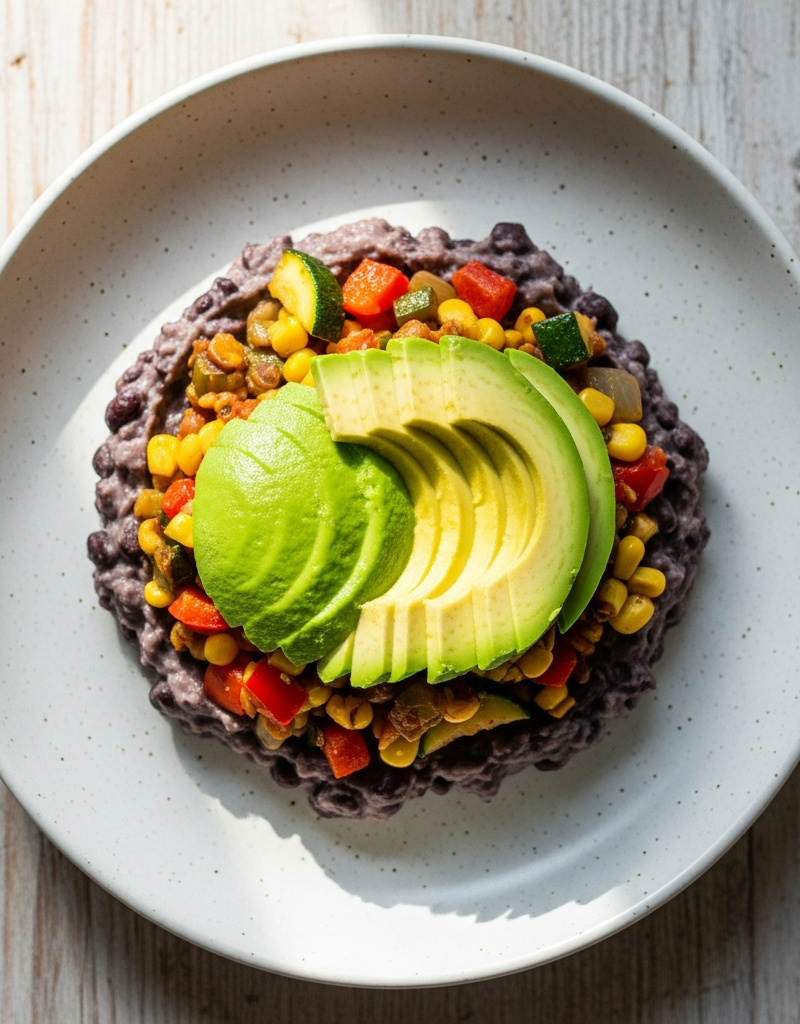
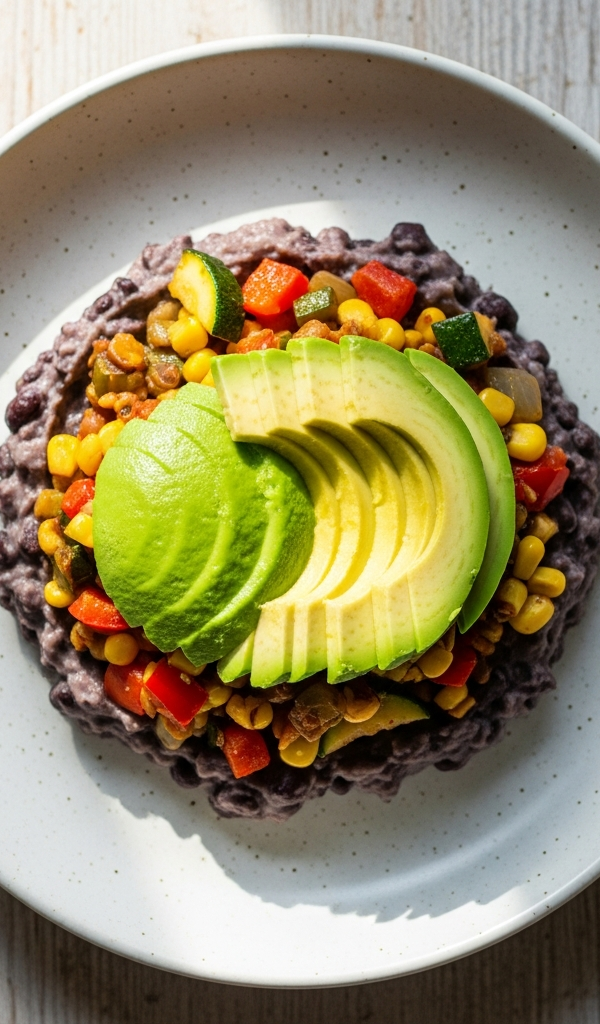
Black Bean and Vegetable Mash with Avocado
32g protein, no meat, 20 minutes.
 20 min
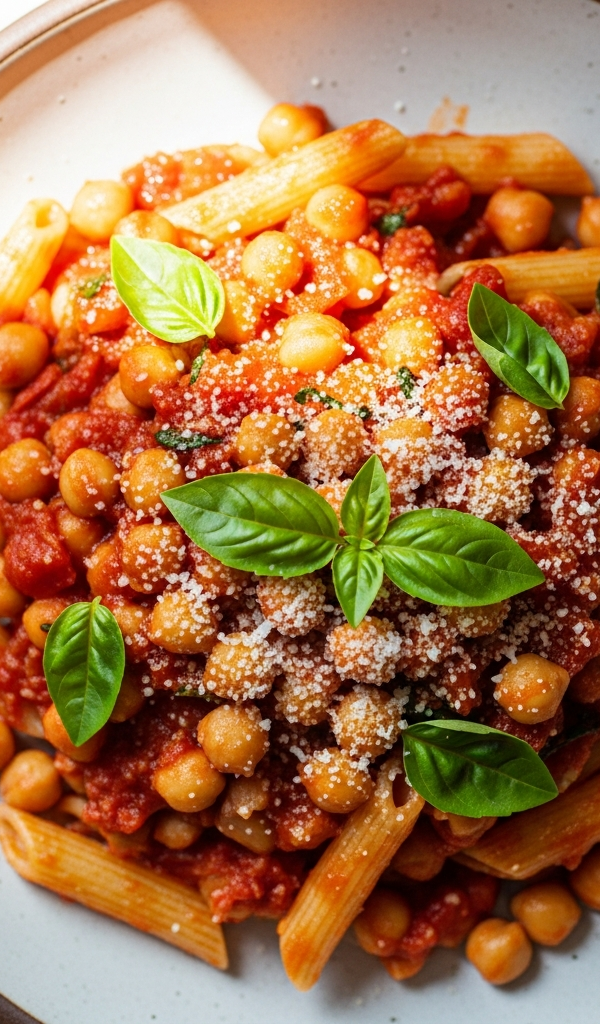
Tomato and Chickpea Pasta
Two tins and a bag of pasta.
 20 min
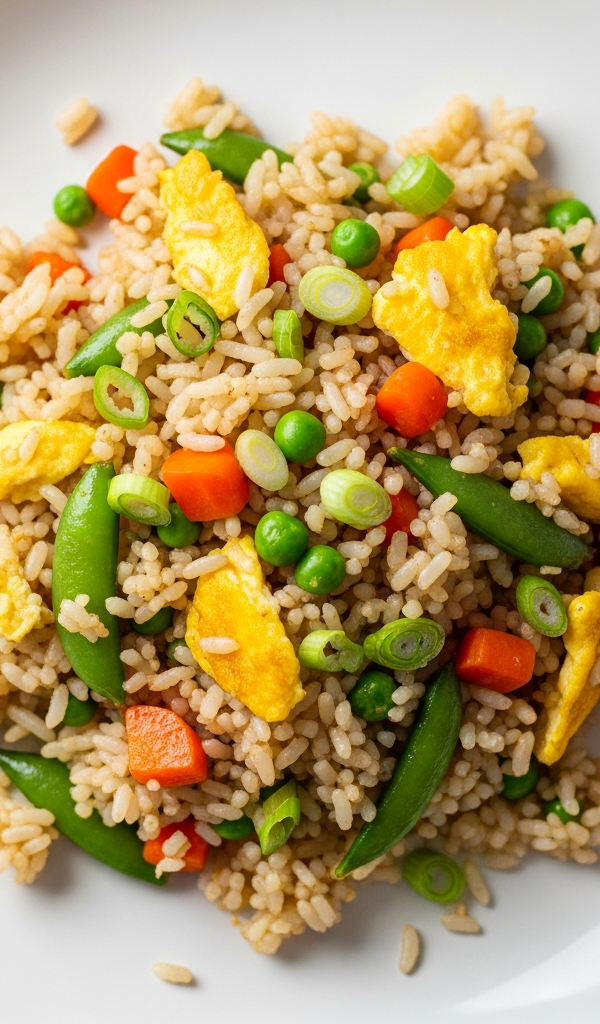
Cheap and Cheerful Egg Fried Rice
Leftover rice plus eggs. Twelve minutes, pennies a serving.
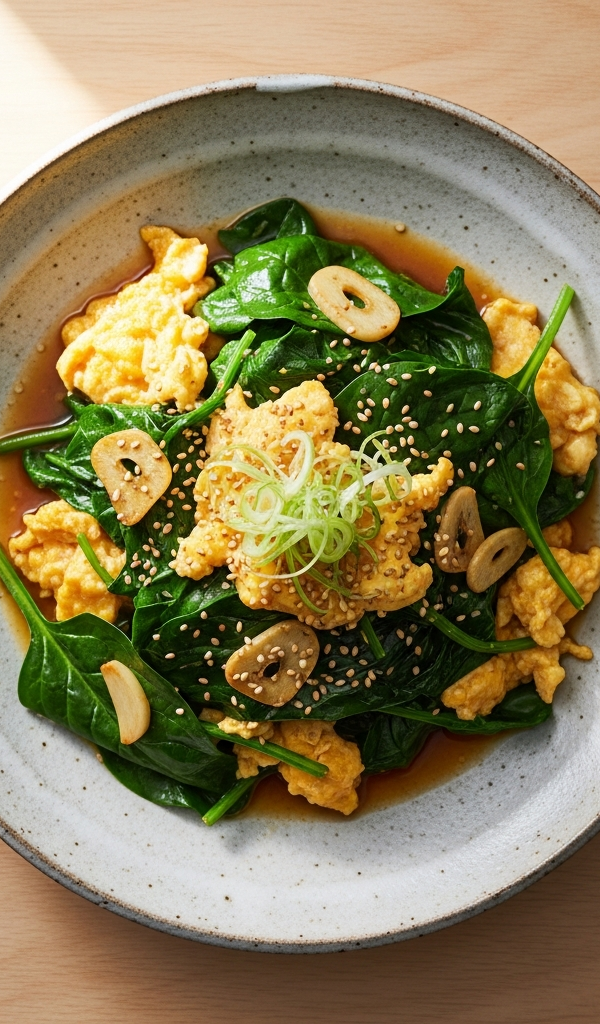 20 min
Egg and Spinach Stir-Fry
31g protein for well under a dollar.
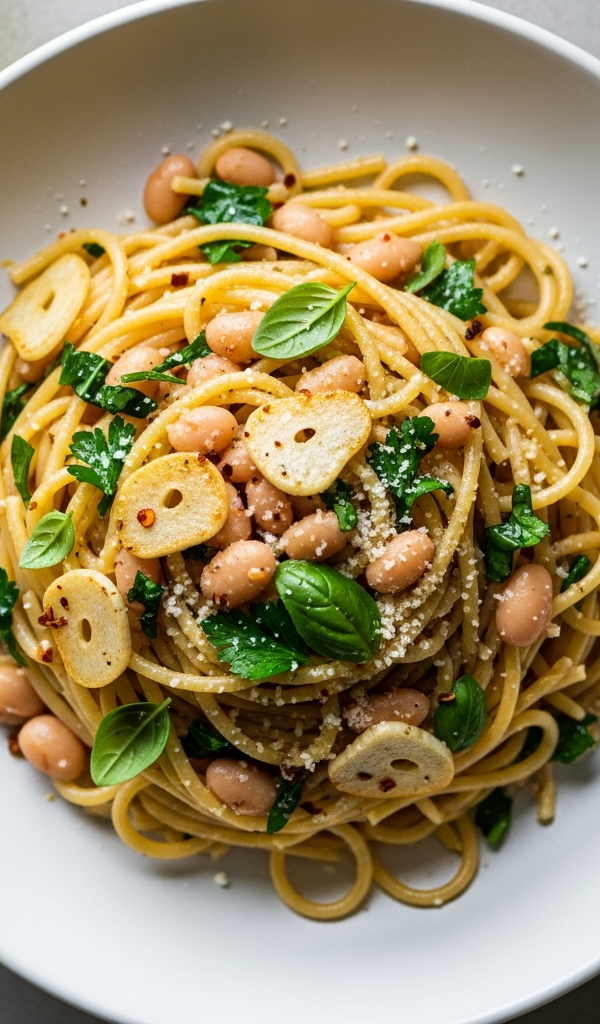 20 min
Budget Garlic and Herb Pasta with White Beans
Pantry-only. The night you forgot to shop.
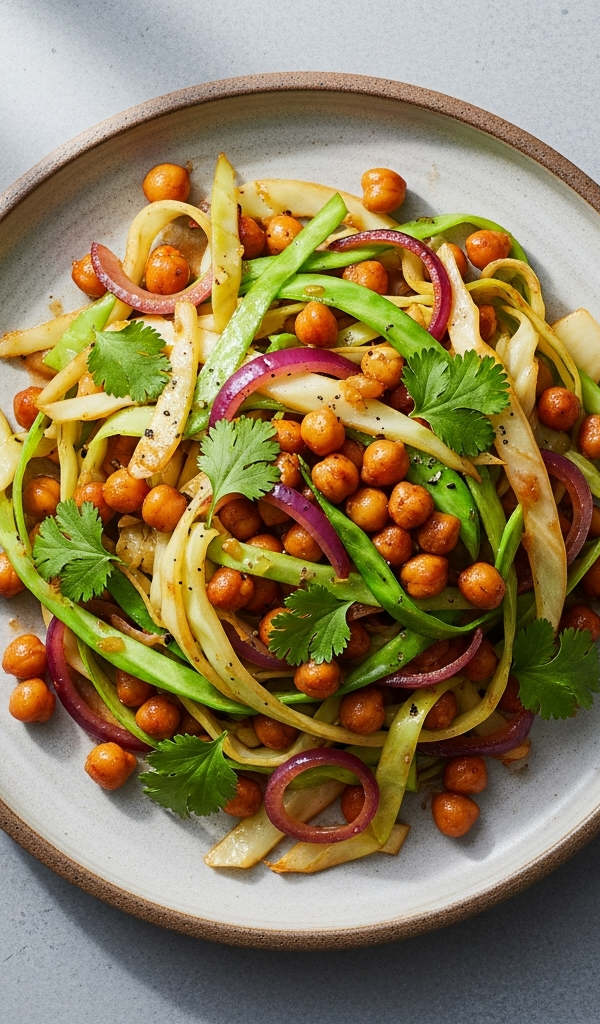 20 min
Chickpea and Cabbage Stir-Fry
The two longest-keeping things in your kitchen.
Frequently asked questions
How do I make a grocery list?
Decide the week's meals first, then read the ingredients off them rather than writing from memory. Group the result by aisle - produce, protein, frozen, pantry, dairy - so you walk the store once. Put a price beside every line so the list totals itself before you leave, and check your cupboard before writing so you do not buy what you already have.
What order should a grocery list be in?
The order you walk the store: produce, protein, frozen, pantry, then dairy. That matches the layout of nearly every supermarket. A list written in the order things occurred to you means several laps of the shop, and every extra lap past the middle aisles is another chance to add something unplanned.
Should I put prices on my grocery list?
Yes, and it is the most valuable habit on this page. An unpriced list tells you what to buy but not what it will cost, so an over-budget week is only discovered at the checkout with a full cart. A priced list turns that into a decision you make at the kitchen table.
What should always be on a grocery list?
Nothing, as a default. Standing items are how staples get bought twice while something the week actually needs gets missed. The list should come from the meals you plan to cook plus the pantry gaps you confirmed by looking in the cupboard.
How do I stop forgetting things at the store?
Write the list from the meals rather than from memory, which is the cause of nearly all forgotten items - if the list is built from what each dinner needs, nothing a meal depends on is missing. Grouping by aisle also helps, because a forgotten line is obvious when the section is short.