
Budgeting
How to save money on lunch at work
A bought lunch runs about $12.00. The same meal packed costs roughly $1.60 — about $2392.00 a year, and it does not have to be a limp sandwich.
By Joao Dunlap · · 4 min read
The short version
- Bought lunch around $12.00; the packed equivalent around $1.60.
- Five days a week that is $52.00 a week and roughly $2392.00 a year.
- The trick is planned leftovers, not making a separate lunch every morning.
- Cook one extra portion at dinner. That is the entire method.
Lunch at work is the most expensive food most people buy, per calorie and per gram of protein, and it is bought on autopilot five days a week. It is also the easiest line to change, because it does not depend on anyone else in the household agreeing to anything.
The arithmetic is stark. A sandwich, a drink and something else runs about $12.00. The equivalent bowl built at home costs roughly $1.60 — a difference of about $52.00 across a working week, and near $2392.00 across a working year.
$12.00
A bought lunch, typical
$1.60
The same thing, packed
$2392.00
Difference over a working year
Why packed lunches fail
Almost nobody gives up on packed lunch because of the money. They give up because of the method — trying to make a separate lunch, in the morning, when they are already late.
Five lunches from the week's dinners
| Day | Last night's dinner | Today's lunch |
|---|---|---|
| Monday | Chilli or stew | The same, reheated — better on day two |
| Tuesday | Roast chicken and vegetables | Chicken and grain bowl, cold |
| Wednesday | Rice-based dinner | Fried rice with an egg through it |
| Thursday | Pasta with a sauce | The same, cold or reheated |
| Friday | Anything | Frittata made Sunday, eaten cold |
Only one of those five involves making anything specifically for lunch, and it happens on a Sunday rather than a weekday morning.
What travels well
- Anything saucy — chilli, stew, curry, bolognese. All of them improve overnight.
- Grain bowls, dressed separately. Keep the dressing in a small pot and it does not go soggy.
- Frittata and cooked egg dishes. Genuinely good cold, and cut into portions on Sunday.
- Anything eaten at room temperature. The office microwave queue is a real reason people stop bothering.
- Not: dressed salad leaves, anything crisp, anything that needed to be hot to be nice.
Meals that make two lunches
These are the dinners worth cooking an extra portion of — they hold up cold, reheat cleanly, and travel without turning to mush. From the NeatEat library.
 20 min
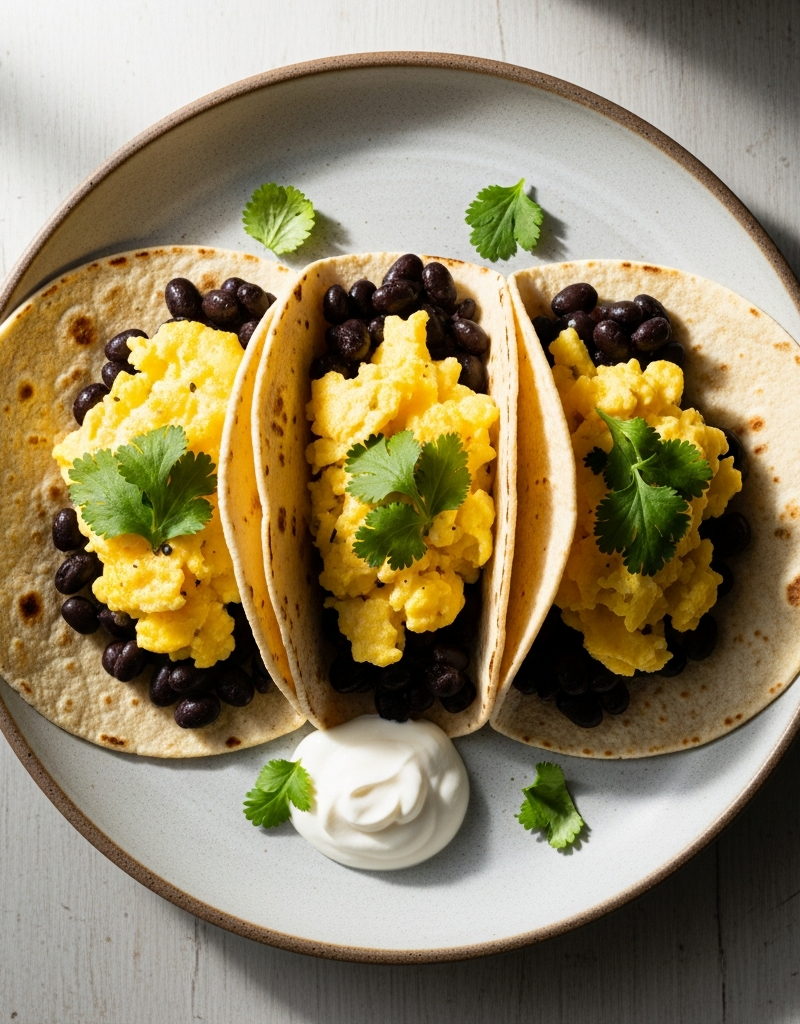
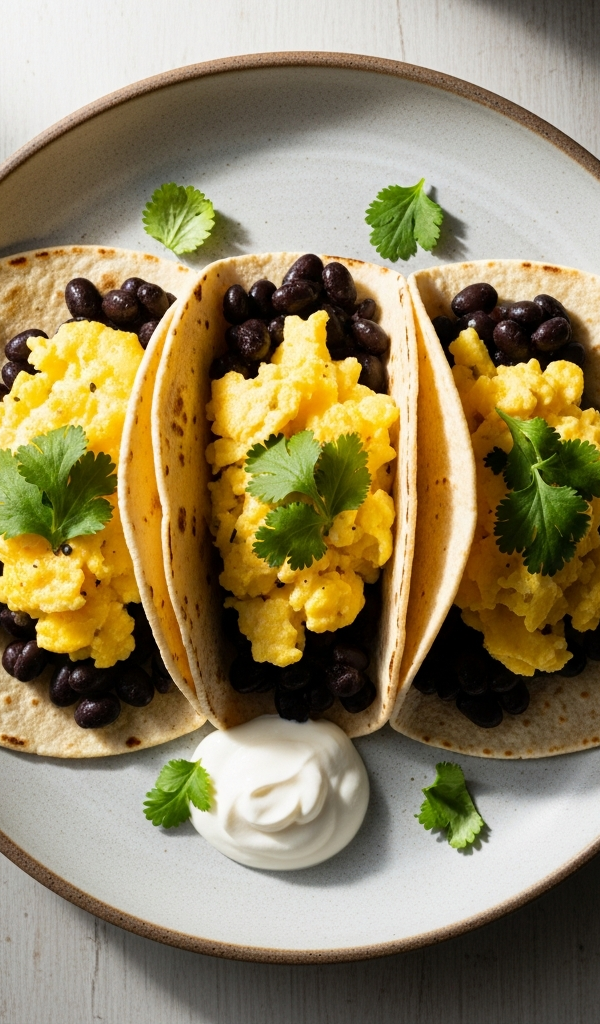
Egg and Black Bean Breakfast Tacos
Breakfast that works as dinner. 32g protein.
 20 min
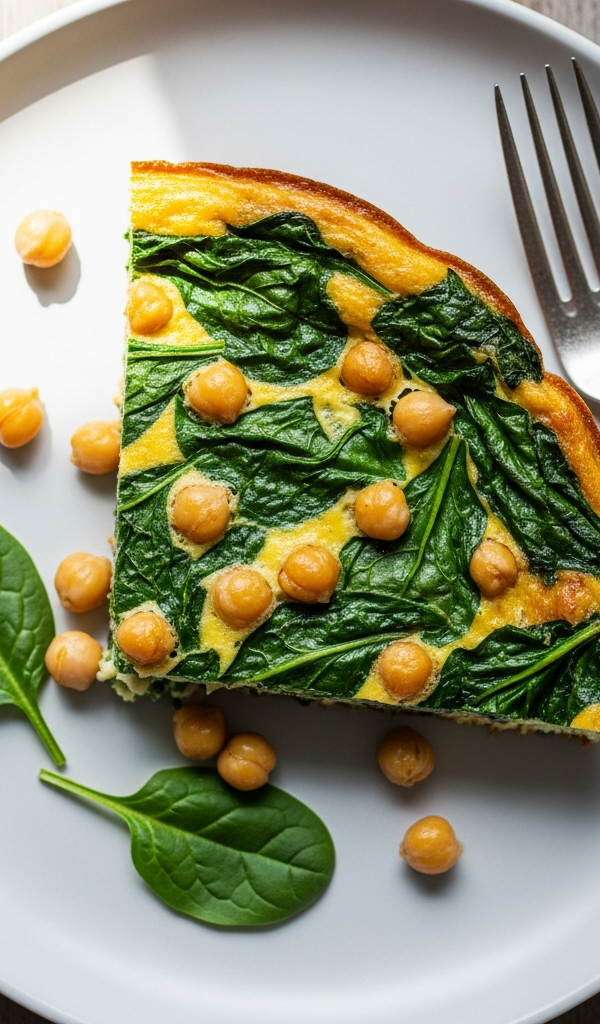
Chickpea and Spinach Frittata
Cooks once, eats cold. 32g protein a serving.
 40 min
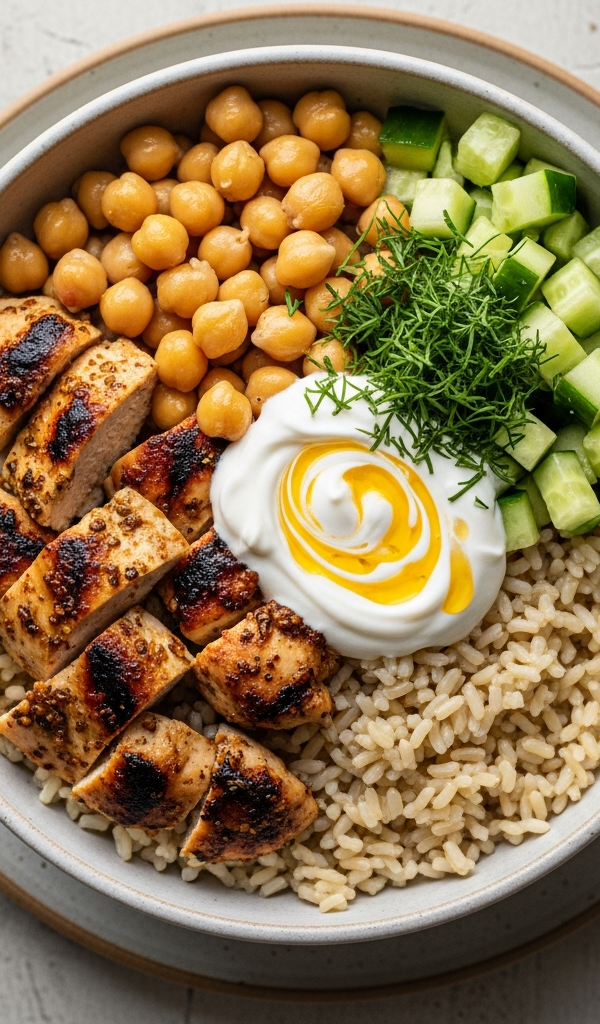
Greek Chicken and Chickpea Bowl
38g protein. Meal-preps perfectly.
 20 min
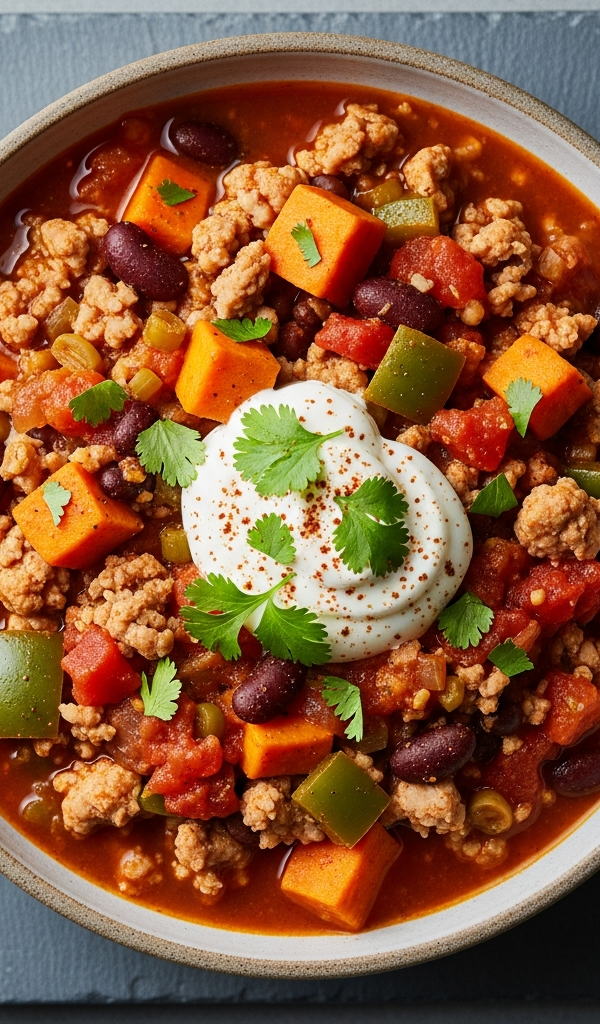
Sweet Potato Turkey Chili
Big flavour, cheap cut, reheats better than it cooks.
 20 min
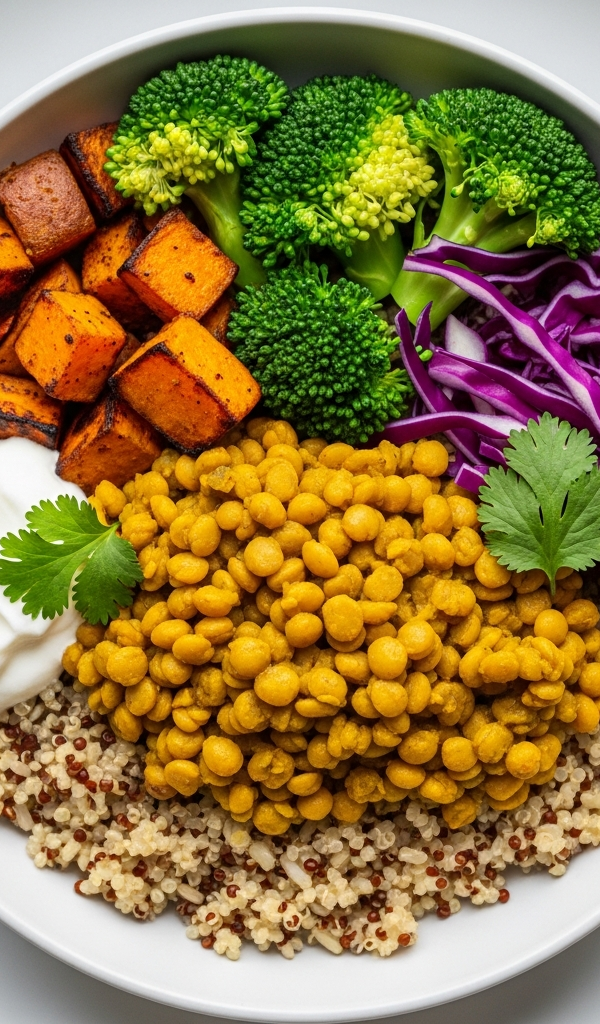
Curried Split Pea Grain Bowl
Split peas are the cheapest protein in the shop.
 20 min
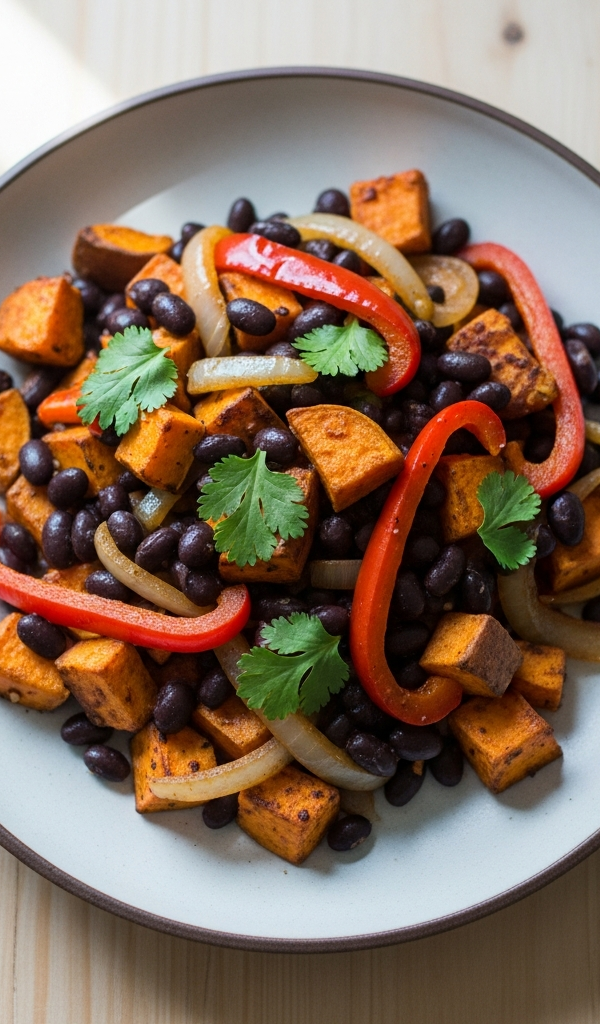
Spicy Black Bean and Sweet Potato Skillet
31g protein, one pan, no meat.
Frequently asked questions
How much money does packing lunch save?
A bought lunch typically runs around $12.00 once a drink and something extra are included, while the equivalent packed from home costs roughly $1.60. Across five working days that is about $52.00 a week, and close to $2392.00 over a working year - one of the largest single savings available to most households.
How do I make packed lunches without extra effort?
Cook one extra portion at dinner and put it into a container before you sit down to eat, rather than after. Lunch is then already made and no separate morning task ever exists. Trying to build a lunch at 7am is why most people give up, not the food itself.
What are good packed lunches that are not sandwiches?
Anything saucy travels and reheats well - chilli, stew, curry, bolognese, and most improve overnight. Grain bowls work if the dressing is kept separate, and frittata is excellent cold, which avoids the microwave queue entirely. Dressed salad and anything crisp are the things that do not survive the journey.
Is meal prepping lunch worth it?
Yes, though the better version is planned leftovers rather than a dedicated prep session. Cooking five identical lunch boxes on Sunday works for a fortnight before repetition wins. Taking one portion from each dinner gives you five different lunches for no additional cooking at all.