
Budgeting
Zero-based budgeting for groceries
Zero-based budgeting fails on food more than any other category, because a grocery number is not a plan. Here is how to make the food envelope actually hold.
By Joao Dunlap · · 4 min read

The short version
- Zero-based means every dollar has a job before the month starts.
- Food is where it breaks, because a number without a meal plan behind it is a guess.
- Convert the envelope into a week of meals, not a running total to watch.
- A couple's realistic weekly food envelope is around $85.27 cooking at home.
Zero-based budgeting is a good idea with one weak point. The principle — assign every dollar a job until nothing is unallocated — works cleanly for rent, insurance and savings, because those amounts are known.
Food is different. Assigning $340 to groceries is not a decision about anything; it is a hope with a number attached. Nothing about it tells you what to buy on Saturday, so the envelope empties before the month does.
How zero-based budgeting works
- 1
Start from income, not from last month's spending
Take your actual take-home pay for the month. Zero-based means allocating that number down to nothing — every dollar assigned to a category, including saving.
- 2
Assign the fixed costs first
Rent, insurance, loan payments, subscriptions. These are known and non-negotiable within the month, so they come out before anything is decided.
- 3
Assign savings before discretionary spending
If saving is what is left over, nothing is left over. Treating it as a fixed cost is the whole point of the method.
- 4
Split what remains into variable envelopes
Food, transport, household, personal. This is where the real decisions happen, and where the plan either holds or does not.
- 5
Convert the food envelope into meals immediately
This is the step the method usually omits. Divide the monthly food figure by 4.3 to get a weekly number, then plan an actual week against it. A number you have not converted into meals is a number you will overspend.
Why food breaks the envelope
Running a weekly food envelope
| Step | What you do | What you get |
|---|---|---|
| 1 | Monthly food allocation ÷ 4.3 | A weekly number |
| 2 | Split groceries from eating out | Two envelopes that behave differently |
| 3 | Plan the week's meals against the grocery number | A menu, not a balance |
| 4 | Price the list before shopping | A total you can fix at home |
| 5 | Compare the receipt to the plan | Next week's number, corrected |
For a two-person household cooking most meals at home, the grocery envelope lands around $85.27 a week — about $366.66 a month. That is a figure you can plan a real menu against rather than an aspiration.
Meals that keep an envelope intact
Predictable cost, shared ingredients, no mid-week top-up shop. From the NeatEat library, which prices the week as it builds it.
 25 min
Black Bean Stuffed Bell Peppers
Looks like effort, is not.
 45 min
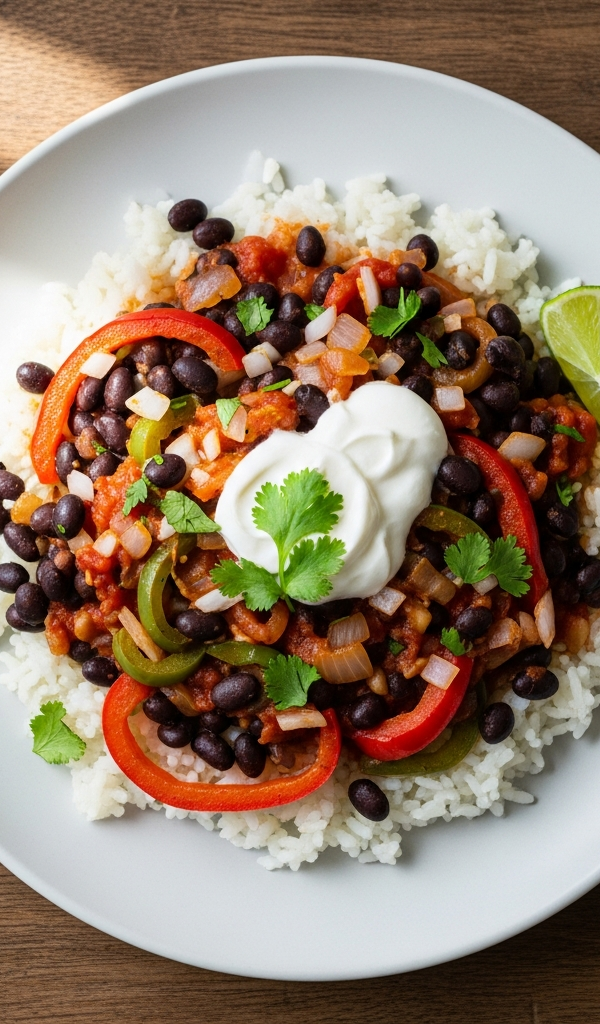
Simple Black Bean and Rice Skillet
One pan, under 40 cents of protein a serving.
 20 min
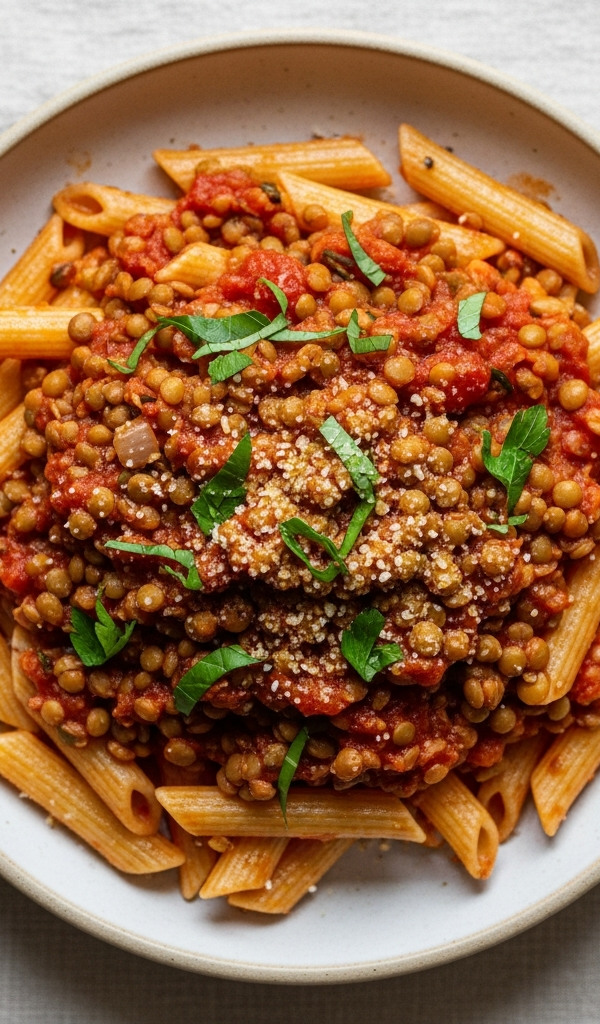
Pasta with Lentil Tomato Sauce
Lentils instead of mince. Nobody notices.
 20 min
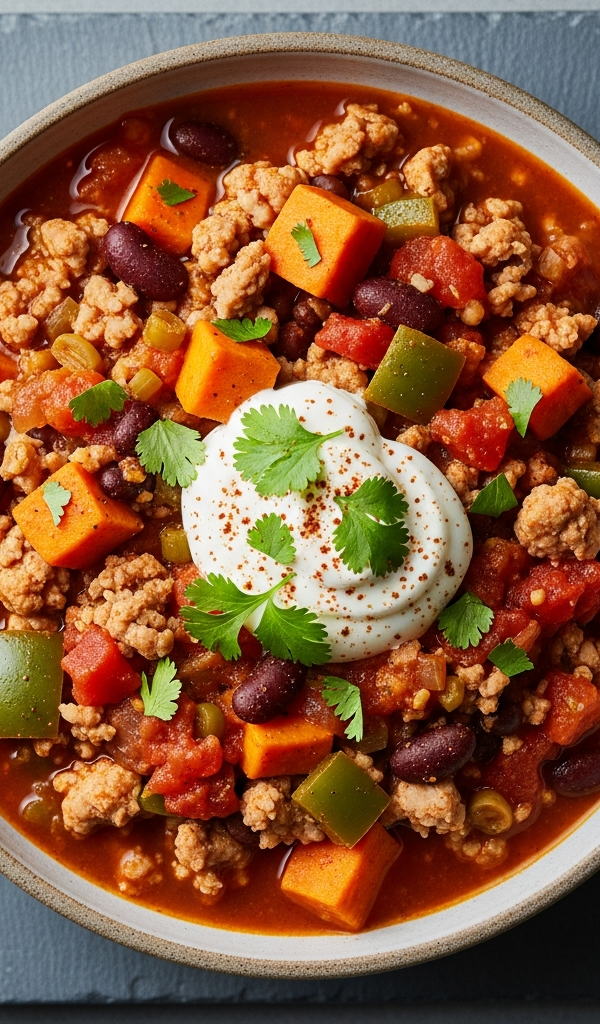
Sweet Potato Turkey Chili
Big flavour, cheap cut, reheats better than it cooks.
 20 min
Cabbage and Lentil Stir-Fry with Rice
Cabbage keeps all week, so this is a Friday dish.
 20 min
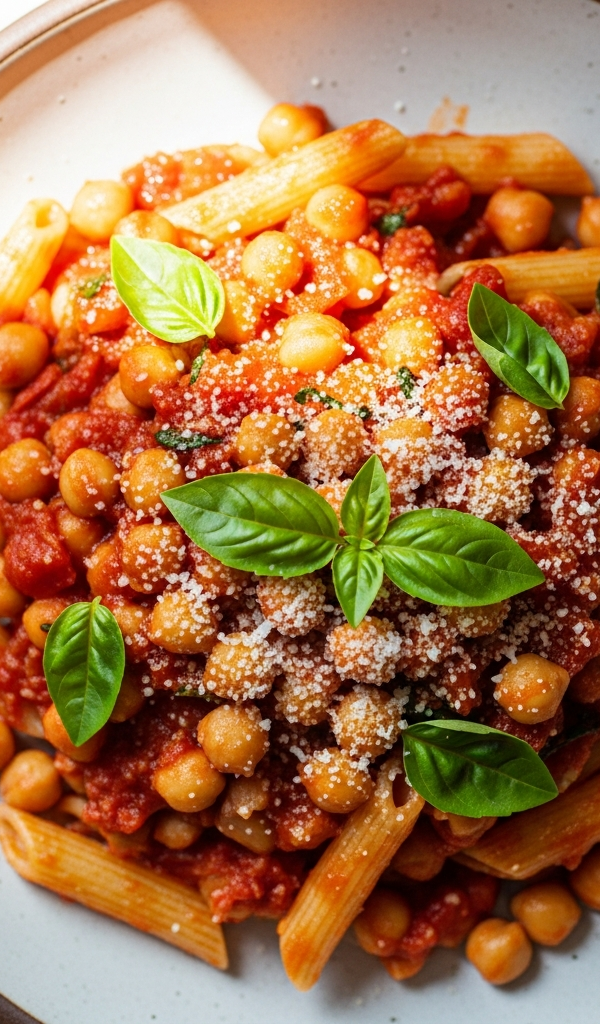
Tomato and Chickpea Pasta
Two tins and a bag of pasta.
Frequently asked questions
What is zero-based budgeting?
A method where every dollar of income is assigned a job before the month starts, until nothing is left unallocated. Fixed costs come first, then savings treated as a fixed cost, then the remainder is split into variable envelopes like food and transport. The aim is that no money is unassigned and therefore unaccounted for.
How do I budget for groceries with zero-based budgeting?
Divide the monthly food allocation by 4.3 to get a weekly number, keep groceries and eating out in separate envelopes, and then convert the grocery number into an actual planned menu. A figure on its own is not a plan - it is the step people skip, and it is why the food envelope is the one that usually fails.
What is the difference between zero-based and envelope budgeting?
Zero-based describes the allocation - every dollar assigned before the month begins. Envelope budgeting describes the enforcement - each category gets a fixed pot, and when it is empty you stop spending from it. They are usually used together, and food is the category where the envelope side does the real work.
How much should I put in the grocery envelope?
Start from what a realistic week actually costs rather than from a target. A two-person household cooking most meals at home runs around $85.27 a week, roughly $366.66 a month. Setting the envelope well below a realistic figure guarantees it fails, which usually ends the whole budget rather than just that category.