
Grocery budgeting
Cooking from an empty fridge
A deliberate no-shop week is the fastest way to cut a food bill, because it spends money you have already spent. Here is how to run one without eating badly.
By Joao Dunlap · · 4 min read
The short version
- A no-shop week costs almost nothing because the food is already paid for.
- Cook by formula, not by recipe: a base, a protein, a fat, an acid, something crunchy.
- An onion, oil and a tin of tomatoes turns almost anything into a meal.
- Run one deliberately every few months. It clears the cupboard and resets the bill.
Most kitchens described as empty are not empty. There is rice, some tins, a bit of pasta, half an onion, a few eggs and several things at the back that were bought for a recipe eighteen months ago. That is three or four dinners, and it has already been paid for.
Running a deliberate no-shop week — using what is there before buying more — is the single fastest way to cut a month's food spending, because the saving is the entire shop rather than a percentage of it.
Cook by formula, not by recipe
Searching for a recipe that matches your exact leftovers is a losing game. Every improvised meal that works has the same five parts, and you almost always have all five.
| Slot | Options | Why it matters |
|---|---|---|
| A base | Rice, pasta, potatoes, bread, oats | The bulk. Almost always present |
| A protein | Eggs, tinned beans, tinned fish, cheese, peanut butter | Stops it being a side dish |
| A fat | Oil, butter, cheese, peanut butter | Non-negotiable. Fat is what makes plain food taste cooked |
| An acid | Lemon, vinegar, tinned tomatoes, yogurt, pickle | The most-skipped slot, and the one that stops it tasting flat |
| Something crunchy | Toasted bread, seeds, raw onion, a fried egg edge | Texture. Turns a mush into a dish |
Dinners from an empty kitchen
- Pasta with tinned tomatoes and whatever pulse is open — around $0.92 a serving.
- Fried rice from yesterday's rice, an egg and any vegetable, fresh or frozen.
- A frittata, which exists specifically to absorb the ends of things.
- Lentil soup from a bag of lentils, an onion and a stock cube.
- Beans on toast, properly done — beans warmed with garlic and oil, on toasted bread with something sharp.
- A tray of any vegetable that is still firm, roasted hard, with a tin of chickpeas thrown in.
How to run a no-shop week
- 1
Take everything out and look at it
The whole cupboard and freezer on the counter. Nearly everyone finds several meals they had forgotten owning, and the things at the back are usually the things with the most life left.
- 2
Sort by what dies first
Fresh things at the front of the week, freezer in the middle, cupboard at the end. The order is the whole plan.
- 3
Allow yourself one small shop
Milk, bread, one fresh vegetable, eggs. Perhaps ten dollars. A completely rigid no-shop week ends in a takeaway on Wednesday, which defeats it entirely.
- 4
Cook the freezer down
This is the part that actually makes room, and frozen portions are the meals most likely to have been forgotten.
- 5
Note what you never used
The things still in the cupboard at the end are the things to stop buying. That list is worth more than the week's saving.
Meals for a bare cupboard
Built almost entirely from shelf-stable things you probably already own. From the NeatEat library, which can plan a week around what your kitchen already holds.
 20 min
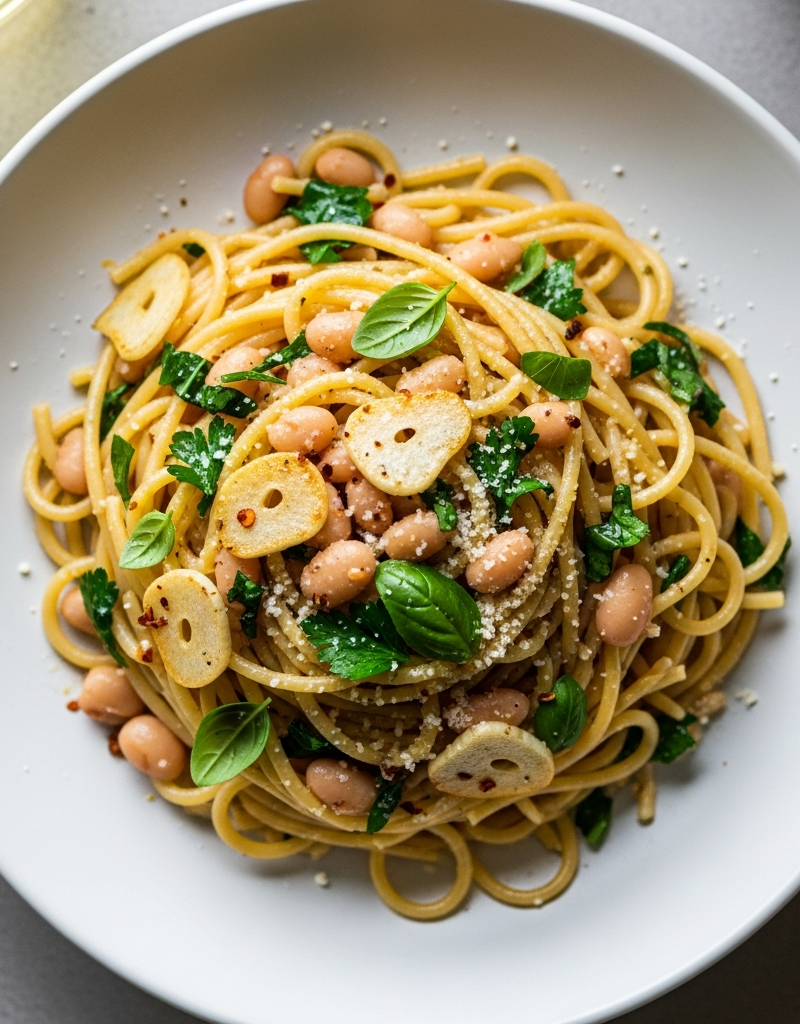
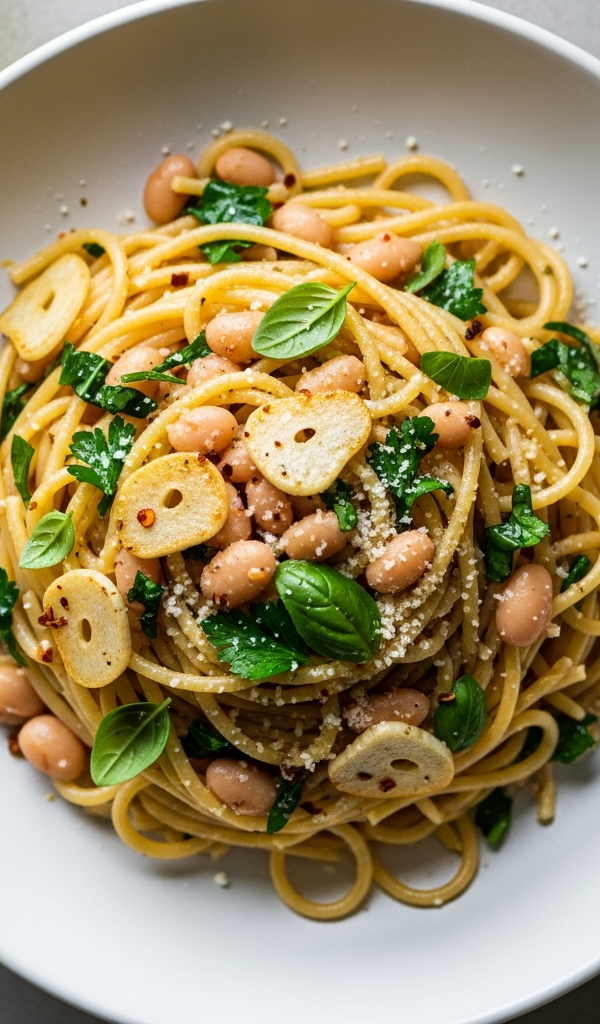
Budget Garlic and Herb Pasta with White Beans
Pantry-only. The night you forgot to shop.
 20 min
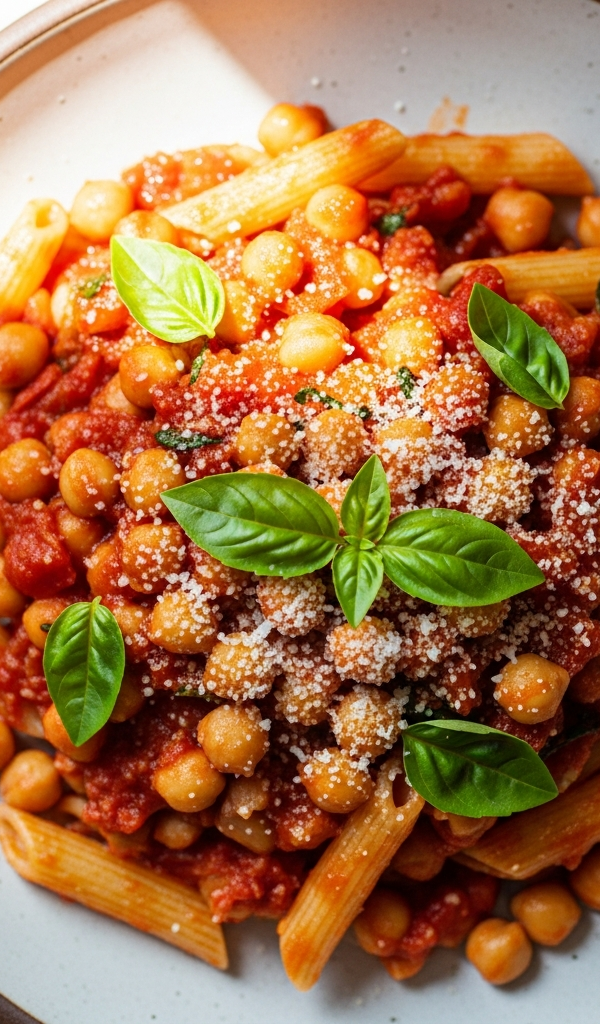
Tomato and Chickpea Pasta
Two tins and a bag of pasta.
 20 min
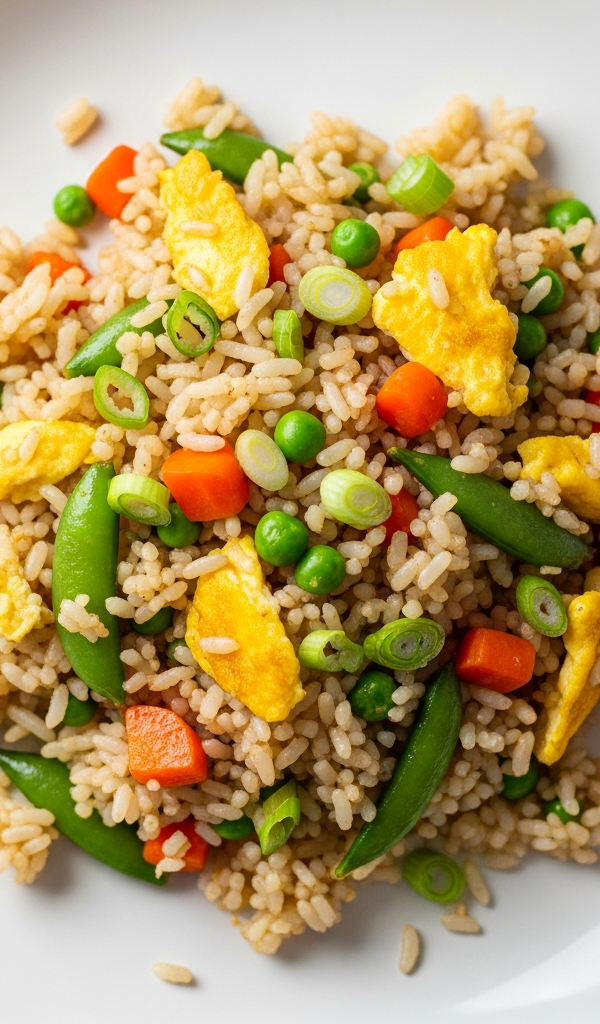
Cheap and Cheerful Egg Fried Rice
Leftover rice plus eggs. Twelve minutes, pennies a serving.
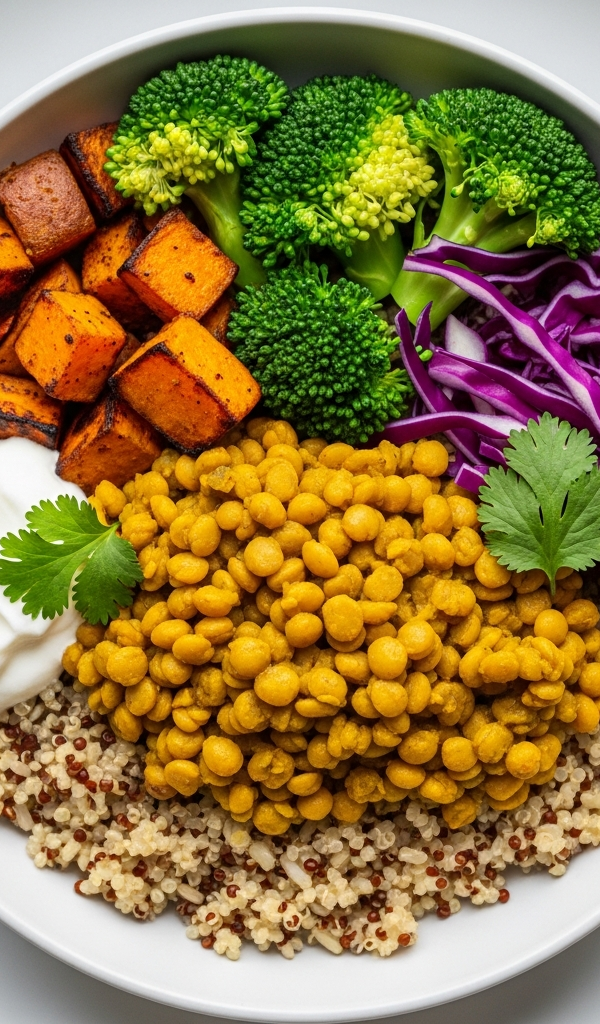 20 min
Curried Split Pea Grain Bowl
Split peas are the cheapest protein in the shop.
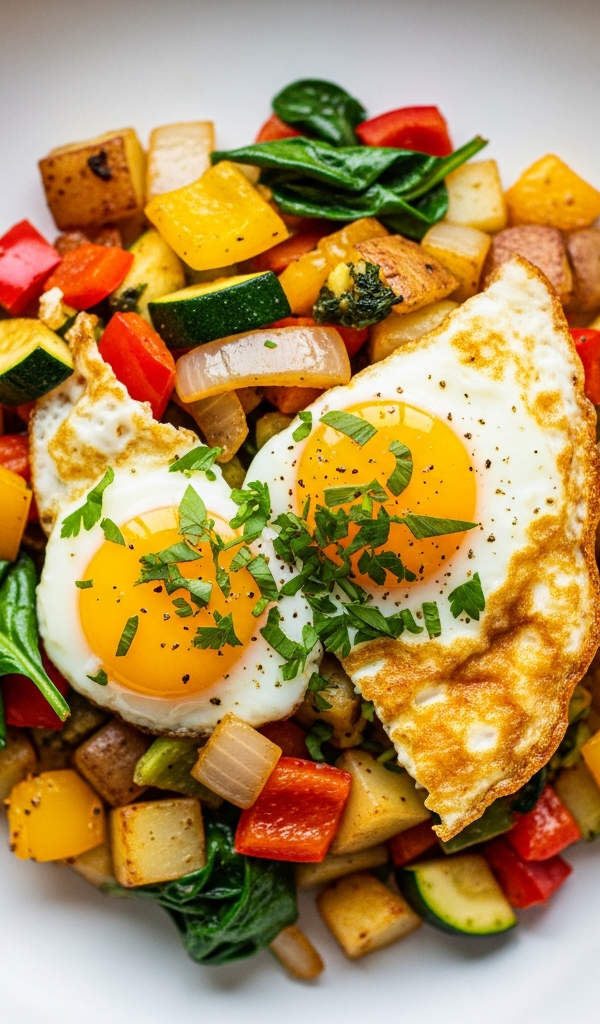 20 min
Egg and Vegetable Skillet Hash
Uses up whatever vegetables are left. 31g protein.
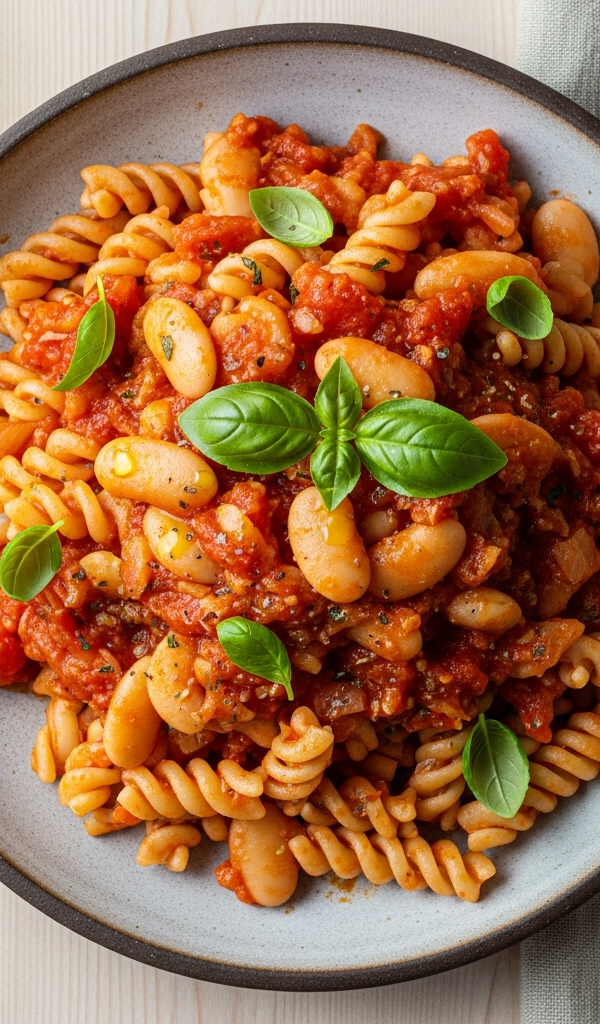 35 min
White Bean and Tomato Pasta Skillet
One skillet, one tin, done.
Frequently asked questions
What can I cook with nothing in the house?
Far more than it looks like. Build to a formula rather than hunting for a recipe: a base (rice, pasta, potatoes, bread), a protein (eggs, tinned beans or fish), a fat, something acidic and something crunchy. An onion, oil and a tin of tomatoes cooked for ten minutes makes a sauce that turns any of those bases into a meal.
How do I do a no-spend food week?
Empty the cupboard and freezer onto the counter first so you can see what you actually have, plan the week in order of what spoils soonest, and allow yourself one small shop of around ten dollars for milk, bread and eggs. A completely rigid version usually collapses into a takeaway mid-week.
How much does a no-shop week save?
Close to a full week's grocery spend, because the food has already been paid for. It is the largest single-week saving available to most households, and running one every couple of months also clears out the forgotten items that would otherwise become waste.
What are the best pantry meals?
Pasta with tinned tomatoes and a pulse, fried rice with an egg, lentil soup, a frittata, and beans on toast done properly with garlic and good oil. All five are made from shelf-stable ingredients, take under half an hour, and cost a fraction of a dollar per serving.