
Grocery budgeting
Grocery delivery vs shopping in store
Delivery costs about $9.00 a shop but removes impulse buying. Whether it saves you money depends entirely on which of those two numbers is bigger for you.
By Joao Dunlap · · 4 min read
The short version
- Delivery fees and service charges run around $9.00 a shop — roughly 11% of a two-person weekly bill.
- Unplanned in-store additions are commonly 15–20%, or about $12.79 on the same shop.
- So delivery is cheaper for impulse buyers and more expensive for disciplined list-shoppers.
- Pickup is usually the best of both: no fee at many stores, and no aisles.
This question is normally argued as if there is one answer. There is not — it depends on a single fact about you, which is how much you add to the trolley that was not on your list.
The two numbers are directly comparable, so it is worth putting them side by side.
$9.00
Typical delivery and service fees
$12.79
Typical unplanned in-store additions
$85.27
A two-person weekly shop
The case for delivery
The case for the shop
Pickup usually beats both
Click-and-collect gets most of the financial benefit of delivery with much less of the cost. You order from a list with a running total, you never walk an aisle, and many stores charge nothing for collection.
- No fee at many retailers, or a much smaller one than delivery.
- The same no-aisles benefit, which is where the saving actually comes from.
- You can still inspect and reject substitutions at the point of collection.
- The trade is your time and the trip, which delivery removes entirely.
Getting the saving either way
- 1Shop from a list built off planned meals. This matters far more than the delivery decision itself.
- 2Know the total before you commit. Online this is automatic; in store it means pricing the list first.
- 3Shop once a week whichever method you use. Trip count is the strongest driver of overspend after protein choice.
- 4If you deliver, save the order and edit it rather than rebuilding it — that is where the habit compounds.
- 5If you go in store, do not go hungry, and stay out of aisles that are not on the list.
Meals that order well
Built from stable, easily-substituted ingredients, so a delivery swap does not ruin the plan. From the NeatEat library, which produces the list either method needs.
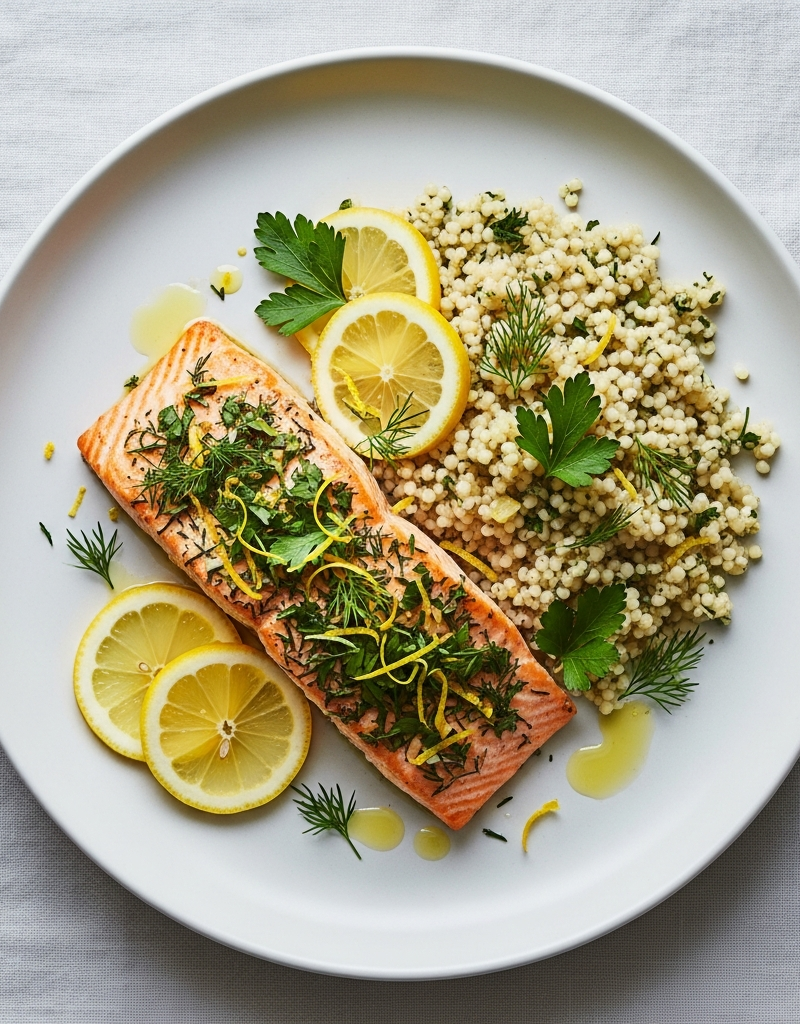
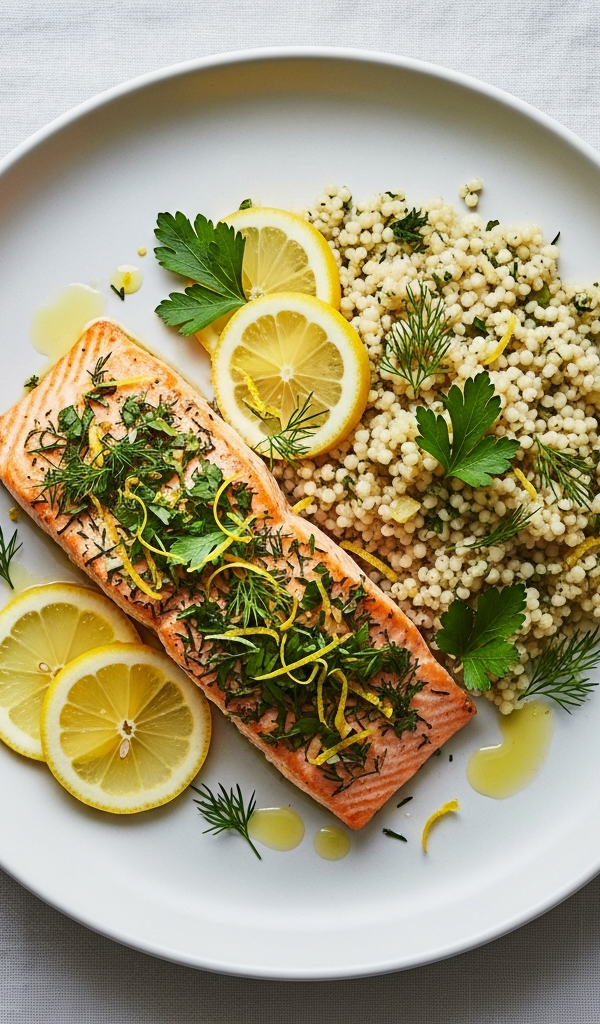 20 min
Quick Lemon Herb Salmon with Couscous
38g protein, 20 minutes.
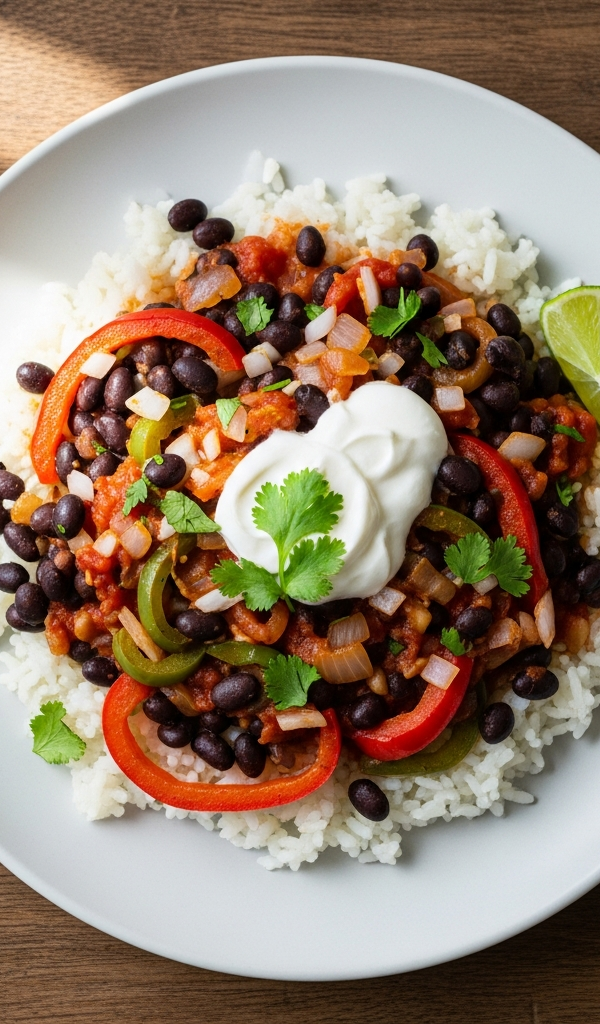 45 min
Simple Black Bean and Rice Skillet
One pan, under 40 cents of protein a serving.
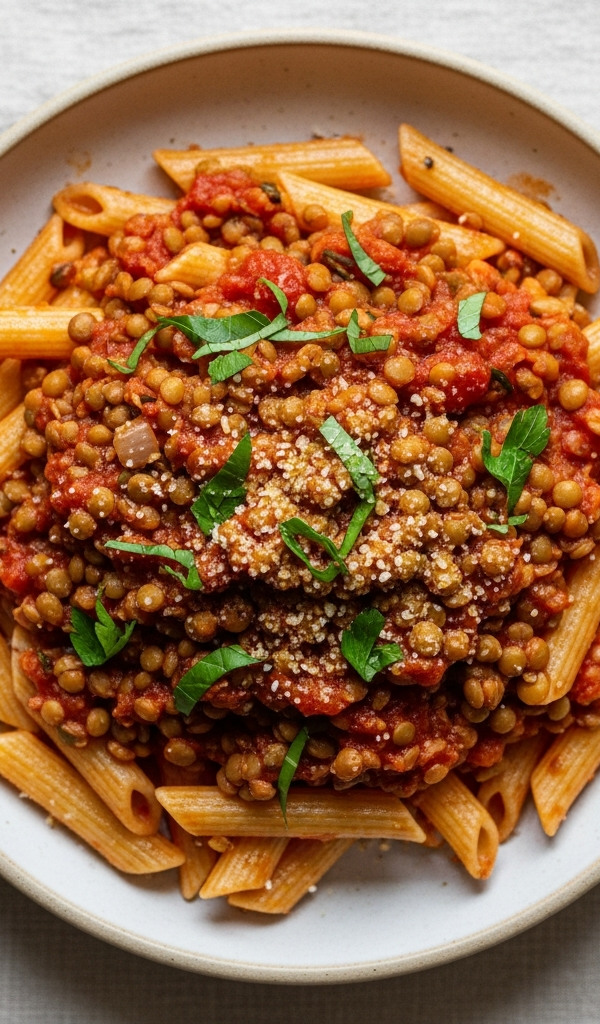 20 min
Pasta with Lentil Tomato Sauce
Lentils instead of mince. Nobody notices.
 20 min
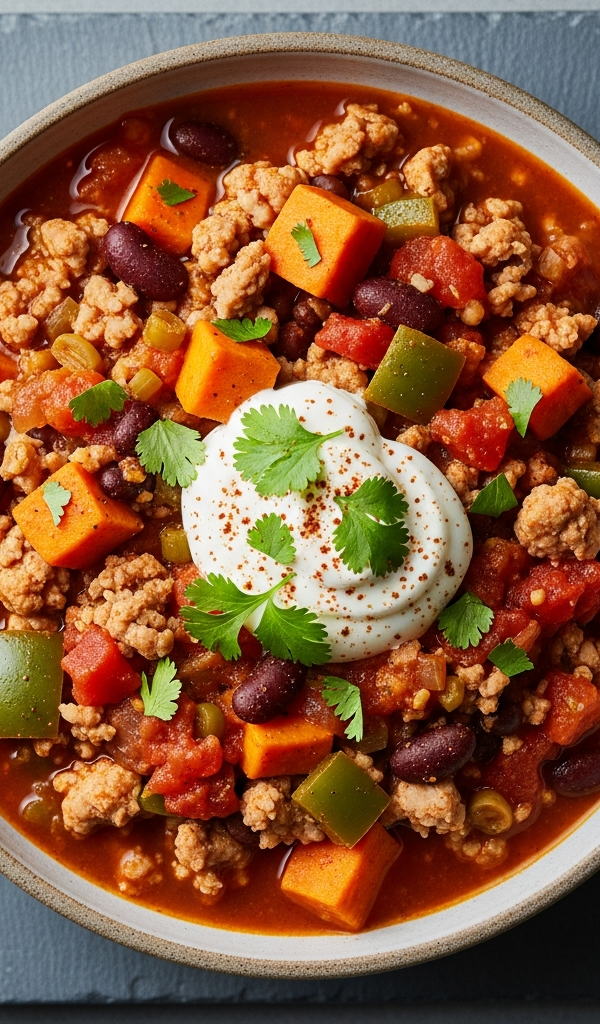
Sweet Potato Turkey Chili
Big flavour, cheap cut, reheats better than it cooks.
 45 min
Greek Chicken and Vegetable Traybake
Everything roasts together. One thing to wash.
 20 min
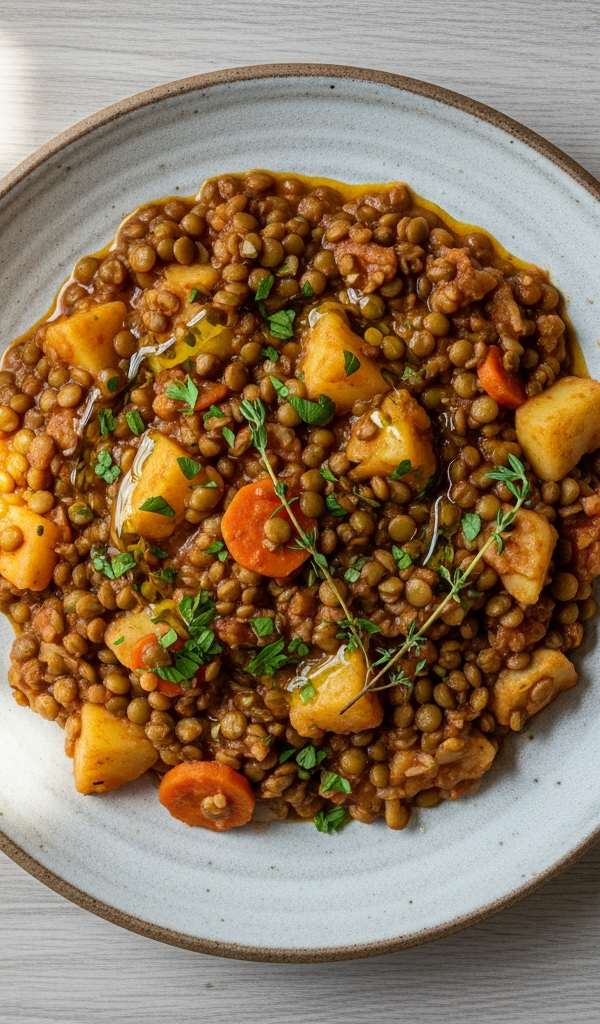
Hearty Potato and Lentil Stew
Makes dinner and the next day's lunch in one pot.
Frequently asked questions
Is grocery delivery cheaper than shopping in store?
It depends on how much you normally add to the trolley unplanned. Delivery and service fees run about $9.00 a shop, while unplanned in-store additions are commonly 15-20% of a bill - roughly $12.79 on a $85.27 weekly shop for two. If you routinely add things you did not plan, delivery pays for itself. If you shop strictly to a list, the fee is a straight loss.
Is grocery pickup better than delivery?
Financially, usually yes. Click-and-collect gives you the same benefits that make delivery save money - ordering from a list, a visible running total, and never walking an aisle - while often costing nothing. The trade is that you still make the trip.
How much do grocery delivery fees add up to?
Around $9.00 a shop including service charges, which is about $468.00 a year if you order weekly. That is only worth paying if it prevents more than that in unplanned purchases, which for many households it does.
Do you miss out on deals with grocery delivery?
Some, yes. Reduced-to-clear and manager's markdowns are rarely available online, and those are among the largest genuine discounts in a store. Advertised promotions are normally applied the same either way, so the loss is specifically the short-dated clearance items.