
Budgeting
How to make a monthly budget
Most budgets fail on the same category. Here is how to build one in five steps, and why groceries are the line worth fixing first.
By Joao Dunlap · · 4 min read
The short version
- Build it from three months of real statements, not from what you think you spend.
- Fixed costs are set. Groceries are the biggest line you can change this week.
- 50/30/20 is a starting shape, not a rule. Adjust it to your actual rent.
- A couple's groceries run about $366.66 a month cooking at home — a number you can plan against.
A budget that fails usually fails in the same place. Rent, insurance and subscriptions behave — they are the same every month and nobody overspends them by accident. What blows up is food: groceries, plus everything eaten outside the house.
That is convenient, because it is also the only large category you can change immediately. You cannot renegotiate rent this week. You can change what happens on Thursday.
Building it in five steps
- 1
Pull three months of statements
Not one month, three — one month is unrepresentative and you will build the whole plan on an unusual one. Export them and total each category.
- 2
Split fixed from variable
Fixed is rent, insurance, loan payments, subscriptions. Variable is food, transport, everything discretionary. Fixed costs are a constraint you plan around; variable costs are the budget.
- 3
Separate groceries from eating out
These are two different problems with two different fixes, and combining them hides both. A household that thinks it spends a fortune on groceries is often spending it on lunches at work.
- 4
Give every variable category a number
50/30/20 — half to needs, a third to wants, a fifth to saving — is a reasonable starting shape, but it assumes a rent that many people do not have. If your fixed costs are 60% of income, the shape has to change; the discipline is having a number per category, not hitting a particular ratio.
- 5
Check weekly, not monthly
A monthly budget reviewed monthly tells you about a failure four weeks after it happened. Groceries in particular are a weekly rhythm, so check them weekly — that is early enough to change the next shop.
Why groceries are the lever
Why budgets fail
- 1Built on estimates. Almost everyone guesses their spending 20–30% low, so the plan is impossible before it starts.
- 2Too many categories. Fifteen lines is a spreadsheet, not a habit. Five or six you actually check beats fifteen you do not.
- 3No room for anything unexpected. A budget with no slack fails the first time the car needs something, and one failure usually ends the whole attempt.
- 4Reviewed monthly. By the time the month closes it is too late to act on any of it.
- 5Cutting the small things first. Cancelling a subscription feels productive and moves very little. The grocery line moves the number.
What a controlled grocery line looks like
Meals from the NeatEat library that keep a weekly food number down without much effort — cheap ingredients, one pan, no shopping trip mid-week.
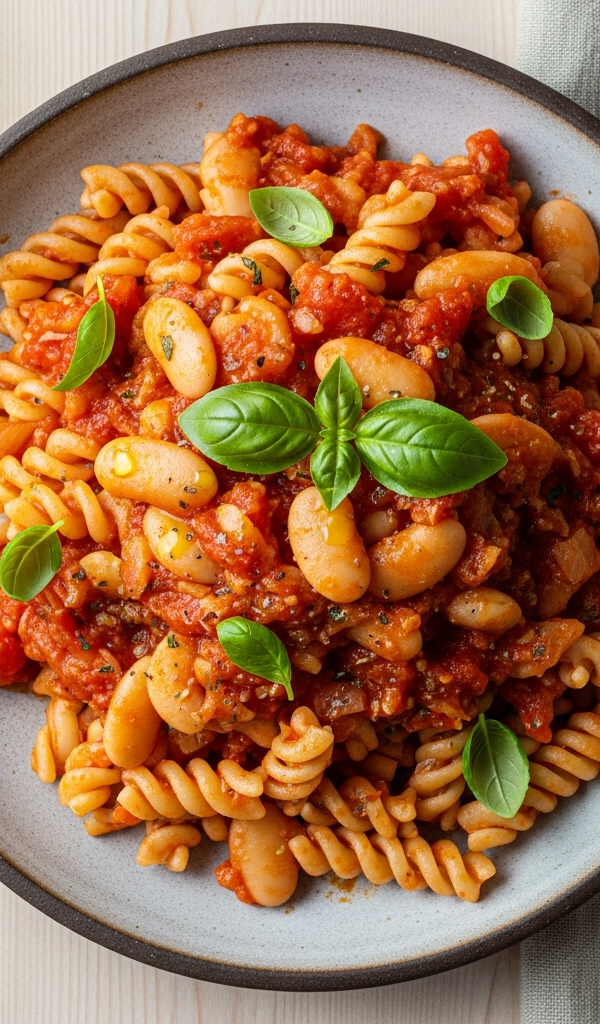 35 min
White Bean and Tomato Pasta Skillet
One skillet, one tin, done.
 45 min
Simple Black Bean and Rice Skillet
One pan, under 40 cents of protein a serving.
 20 min
Sweet Potato Turkey Chili
Big flavour, cheap cut, reheats better than it cooks.
 20 min
Hearty Potato and Lentil Stew
Makes dinner and the next day's lunch in one pot.
 20 min
Cheap and Cheerful Egg Fried Rice
Leftover rice plus eggs. Twelve minutes, pennies a serving.
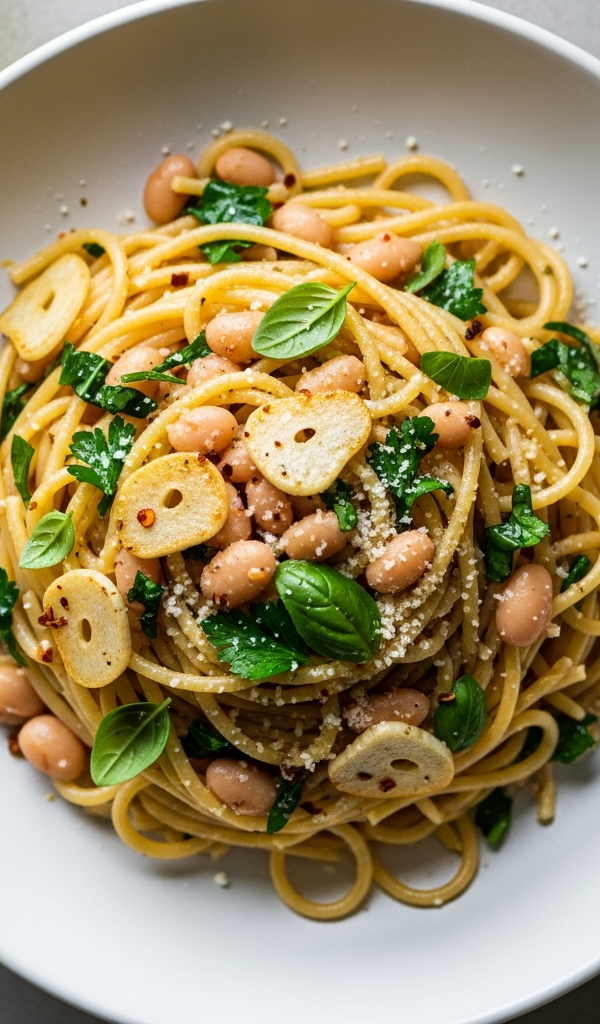 20 min
Budget Garlic and Herb Pasta with White Beans
Pantry-only. The night you forgot to shop.
Frequently asked questions
How do I make a monthly budget?
Start from three months of bank statements rather than estimates, since most people underestimate their spending by 20-30%. Split fixed costs from variable ones, separate groceries from eating out, give every variable category a number, and review weekly rather than monthly so you can still act on what you find.
What is the 50/30/20 rule?
A starting shape for a budget: roughly half of after-tax income to needs, 30% to wants, and 20% to saving and debt repayment. It is useful as a first draft but assumes housing costs that many people do not have. If your fixed costs are already 60% of income the ratio has to change - the point is having a number for each category, not matching those particular percentages.
Which budget category should I cut first?
Groceries and eating out. Housing and insurance are fixed on a yearly rhythm; food is weekly, large and elastic, so it is the only big line you can change immediately. A two-person household cooking at home runs around $366.66 a month, which gives you something concrete to compare your own figure against.
How often should I check my budget?
Weekly for food and other variable spending, monthly for the whole picture. A monthly-only review tells you about an overspend four weeks after it happened, which is too late to change anything. Groceries follow a weekly rhythm, so a weekly check catches problems while the next shop can still fix them.