
Grocery budgeting
How to save money on groceries
Twelve changes ranked by what they actually save, with the numbers worked out — starting with the protein line, which is where a third of your bill lives.
By Joao Dunlap · · 5 min read
The short version
- Protein is 35–45% of a grocery bill. Start there, not with coupons.
- Swapping one beef dinner for beans saves $3.50 — more than most coupon apps return in a month.
- Frozen instead of fresh on two vegetables saves $3.69 a week and cuts waste to zero.
- One shop a week beats three. Every extra trip adds unplanned items.
Most grocery-saving advice is a long list of small things: clip coupons, use loyalty apps, buy the store brand. None of it is wrong, and almost none of it moves the number much, because it all works on the cheapest part of the bill.
The list below is ordered by what each change is actually worth. The first four are where the money is. The rest are worth doing once those are done.
The four that actually move the number
1. Swap two meat dinners for pulses
Protein is the largest line on almost every grocery bill. A pound of ground beef is $5.49; a pound of dried black beans is $1.99 and yields far more servings. Swapping a single beef dinner saves $3.50, and doing it twice a week is roughly $7.00 — about $30.10 a month, from one decision.
2. Buy the cheaper cut, not the cheaper brand
Chicken breast is $9.98 for 2 lb. Bone-in thighs are $8.95 for a 5 lb pack — about $3.20 less per pound, and they are more forgiving to cook. Cut choice beats brand choice every time.
3. Move to frozen on the vegetables you always waste
Fresh broccoli is $3.48 and fresh spinach $2.99; the frozen equivalents are $1.49 and $1.29. That is $3.69 a week, or about 57% off the spinach line alone — and frozen has no clock on it, so the waste goes to zero.
4. Shop once a week, not three times
Every trip is another opportunity to add things that were not on the list, and unplanned items skew heavily toward the highest-margin products in the store. Cutting from three shops to one is usually worth more than every coupon in the app combined, and it costs nothing but planning.
The eight worth doing next
Meals built on the cheap end of the shop
Every one of these leans on the ingredients that survived the list above — pulses, eggs, rice, tinned tomatoes. All in the NeatEat library, so the app can build a week from them with the list already priced.
 45 min
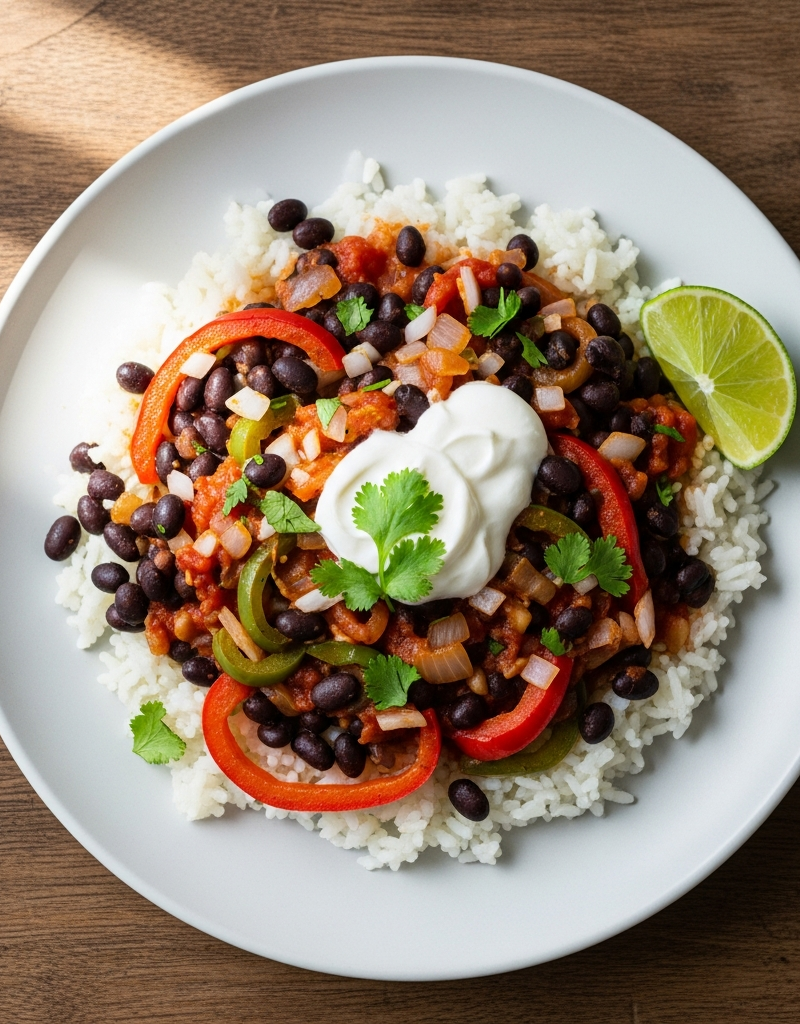
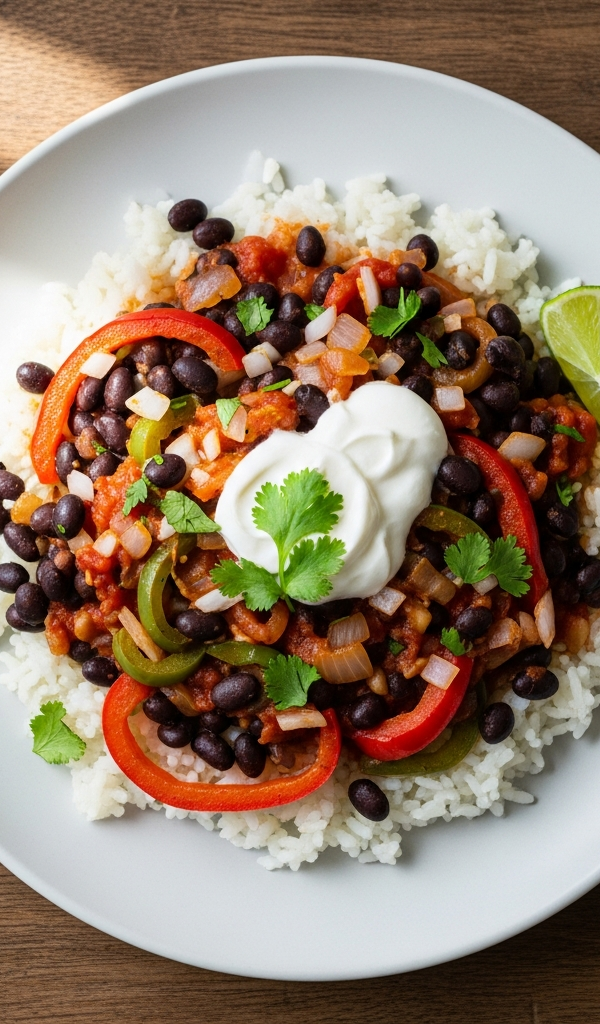
Simple Black Bean and Rice Skillet
One pan, under 40 cents of protein a serving.
 20 min
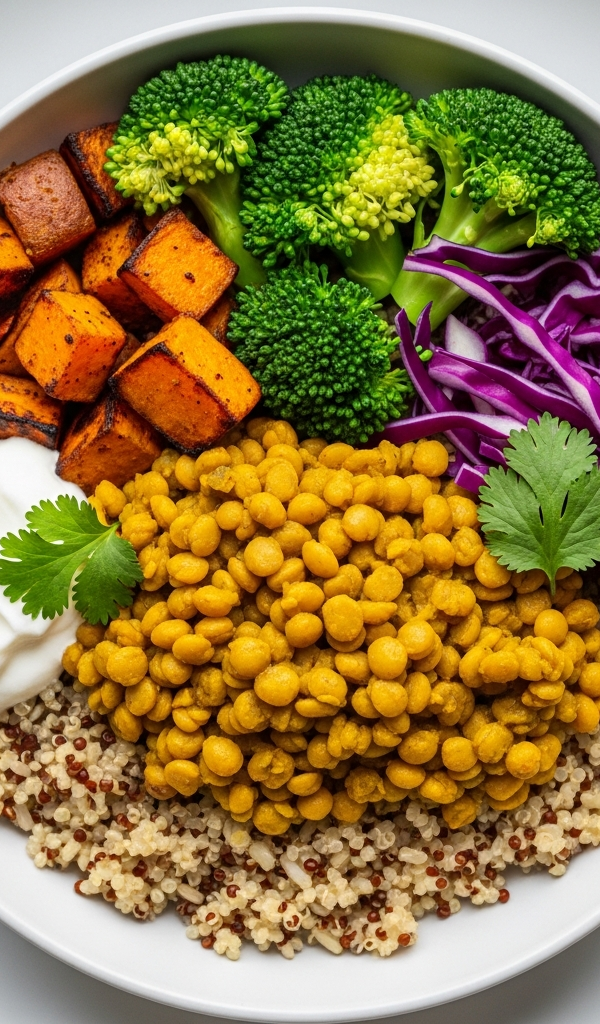
Curried Split Pea Grain Bowl
Split peas are the cheapest protein in the shop.
 20 min
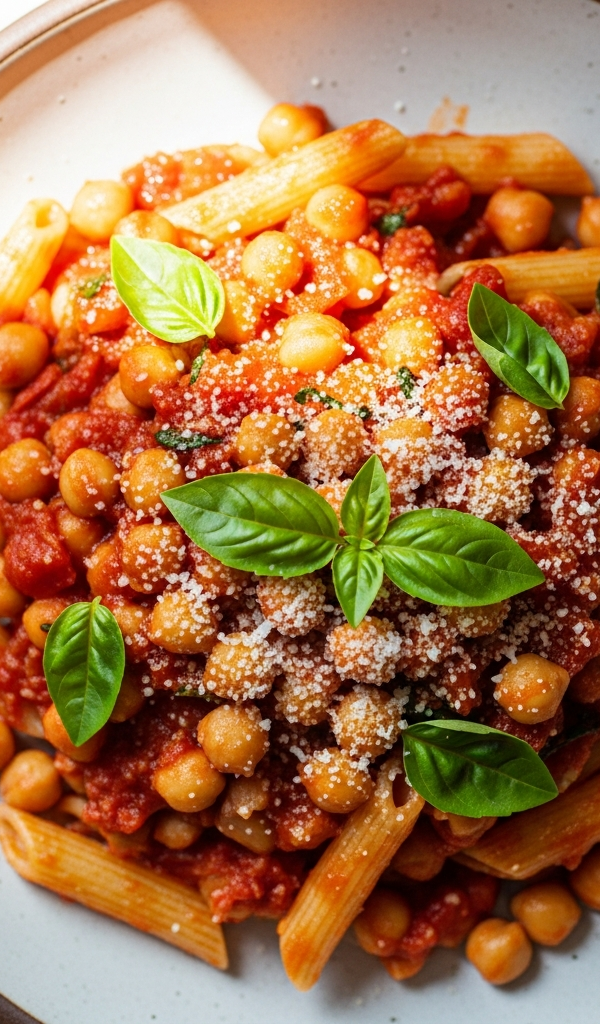
Tomato and Chickpea Pasta
Two tins and a bag of pasta.
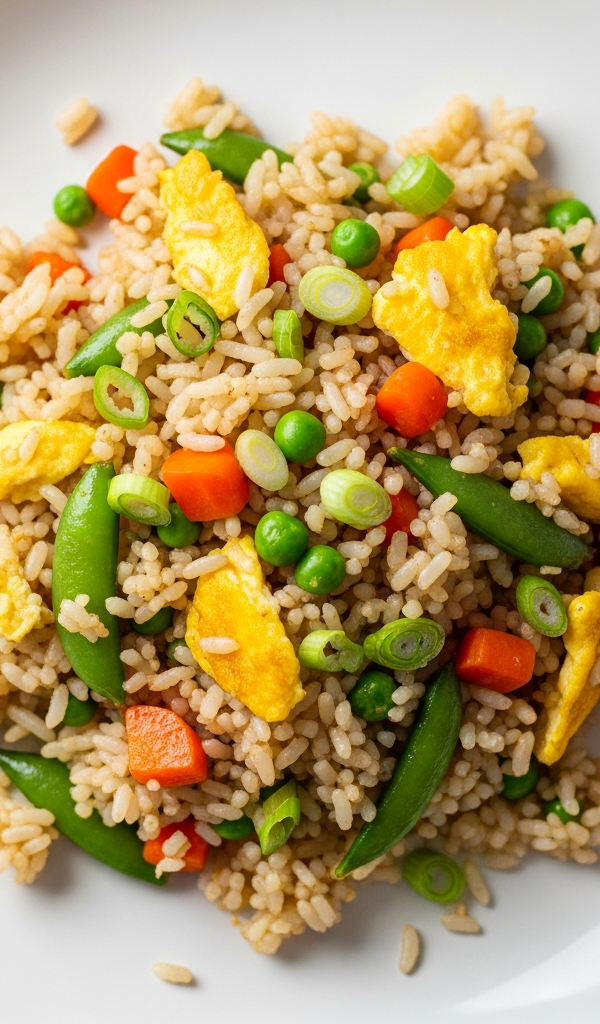 20 min
Cheap and Cheerful Egg Fried Rice
Leftover rice plus eggs. Twelve minutes, pennies a serving.
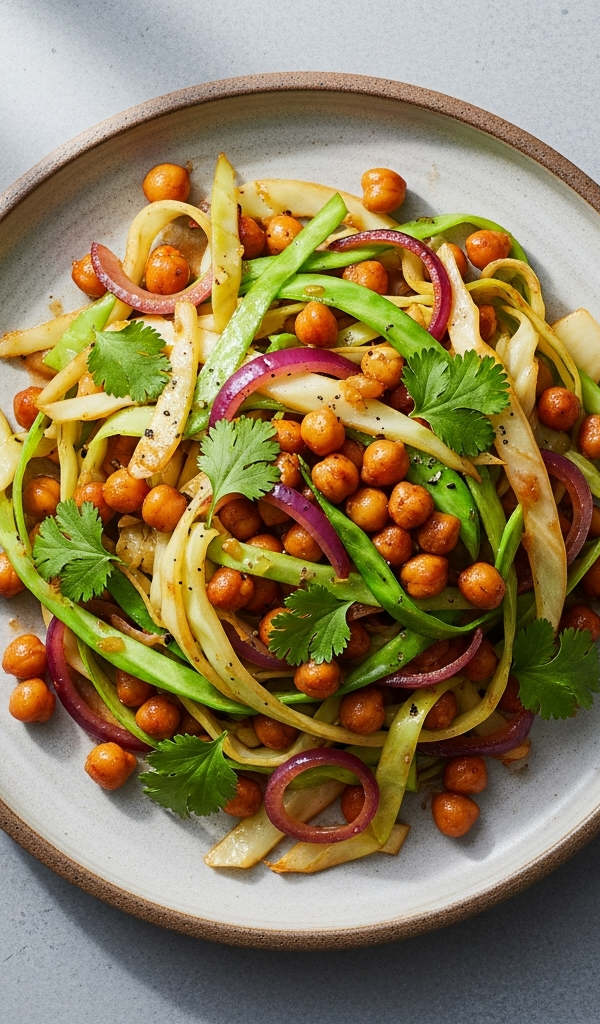 20 min
Chickpea and Cabbage Stir-Fry
The two longest-keeping things in your kitchen.
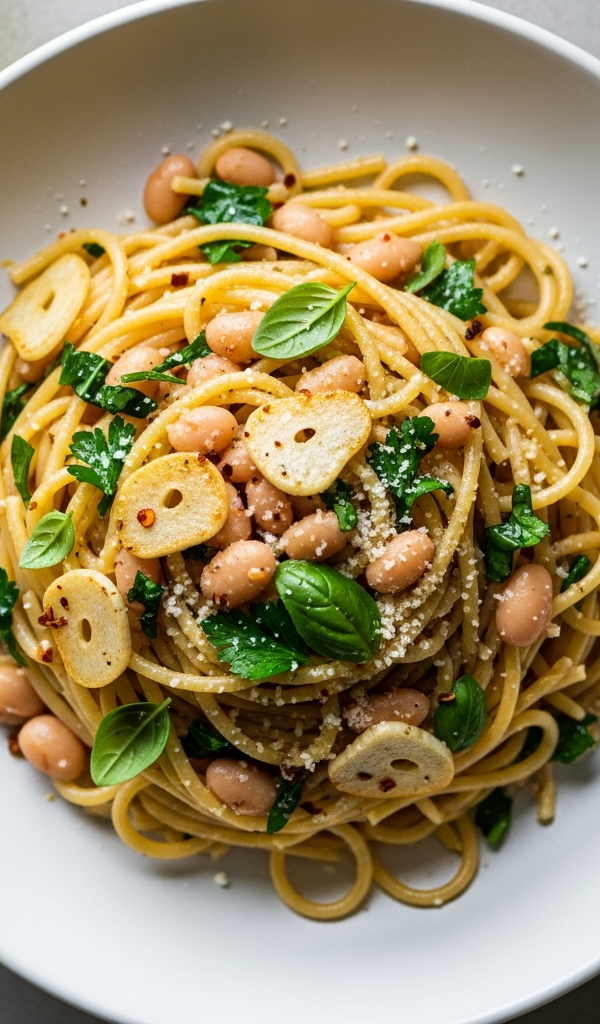 20 min
Budget Garlic and Herb Pasta with White Beans
Pantry-only. The night you forgot to shop.
Frequently asked questions
What is the single biggest way to save money on groceries?
Cut the protein line. Protein is typically 35-45% of a grocery bill, so it is the only line where one change moves the total meaningfully. Swapping a pound of ground beef at $5.49 for a pound of dried black beans at $1.99 saves $3.50 per dinner, and the beans stretch across more servings.
Is it cheaper to buy frozen or fresh vegetables?
Frozen, consistently. In this basket frozen broccoli and spinach cost $2.78 against $6.47 fresh - a saving of $3.69 a week. Frozen vegetables are picked and frozen quickly, so they lose very little nutritionally, and because they do not spoil the effective saving is larger than the shelf price suggests.
Do coupons and cashback apps actually save much?
Not much, relative to the effort. They operate on small percentages of the cheapest lines on a receipt while the protein and convenience-food lines go untouched. They are worth using once the bigger levers are pulled, but a household that clips coupons and still buys meat seven nights a week has not addressed its grocery bill.
How much can I realistically cut my grocery bill by?
A household that has never planned can usually take 20-30% off without eating worse, mostly from three sources: fewer shopping trips, meat at fewer dinners, and less waste. Beyond about 35% you start trading variety rather than trimming waste, which is sustainable for a reset month but hard to hold indefinitely.
Does meal planning actually save money?
Yes, primarily by removing unplanned purchases and food waste rather than by finding cheaper products. A single planned shop against a priced list also lets you catch an over-budget week before you have paid for it, which no in-store tactic can do.