
Budgeting
How to track grocery spending
Tracking every item is why people quit in week two. Track four numbers instead — and the one that matters is the gap between the plan and the receipt.
By Joao Dunlap · · 4 min read
The short version
- Track four numbers, not forty line items. Itemising is why tracking gets abandoned.
- Separate groceries from eating out or both stay unfixable.
- The useful figure is planned versus actual, not the total on its own.
- A two-person benchmark: about $85.27 a week, $366.66 a month.
Almost everyone who starts tracking food spending starts by itemising receipts, and almost everyone stops within a fortnight. It is a lot of work for information you cannot act on — knowing you spent $4.12 on carrots this month changes nothing.
What changes behaviour is a much smaller set of numbers, checked weekly.
The four numbers
| # | Number | Why it earns its place |
|---|---|---|
| 1 | Planned grocery total | What the list came to before you left the house |
| 2 | Actual grocery total | What the receipt said. One figure, not an itemisation |
| 3 | Number of shopping trips | The strongest predictor of overspend after protein choice |
| 4 | Eating out and delivery | A separate category with a separate fix. Never merge it in |
How to actually do it
- 1
Price the list before you shop
This creates number one, and it is the step that makes the whole thing worthwhile. A list without a total cannot be compared to anything.
- 2
Photograph the receipt, do not transcribe it
Take the photo, note the total, move on. Transcription is what kills tracking and adds nothing you will act on.
- 3
Keep a four-column note
Week, planned, actual, trips. Four columns in a phone note or the back of a diary. That is the entire system.
- 4
Review after four weeks, not one
One week is noise. Four weeks shows whether you are consistently over, and by how much — which is the number you then adjust the plan by.
- 5
Adjust the plan, not the target
If you are consistently over by $20, the plan is wrong, not your discipline. Change what is on the list rather than resolving to try harder.
What the gap usually means
Meals with predictable cost
Stable ingredients, no mid-week top-up, and easy to price in advance — which is what makes a plan match a receipt. From the NeatEat library.
 40 min
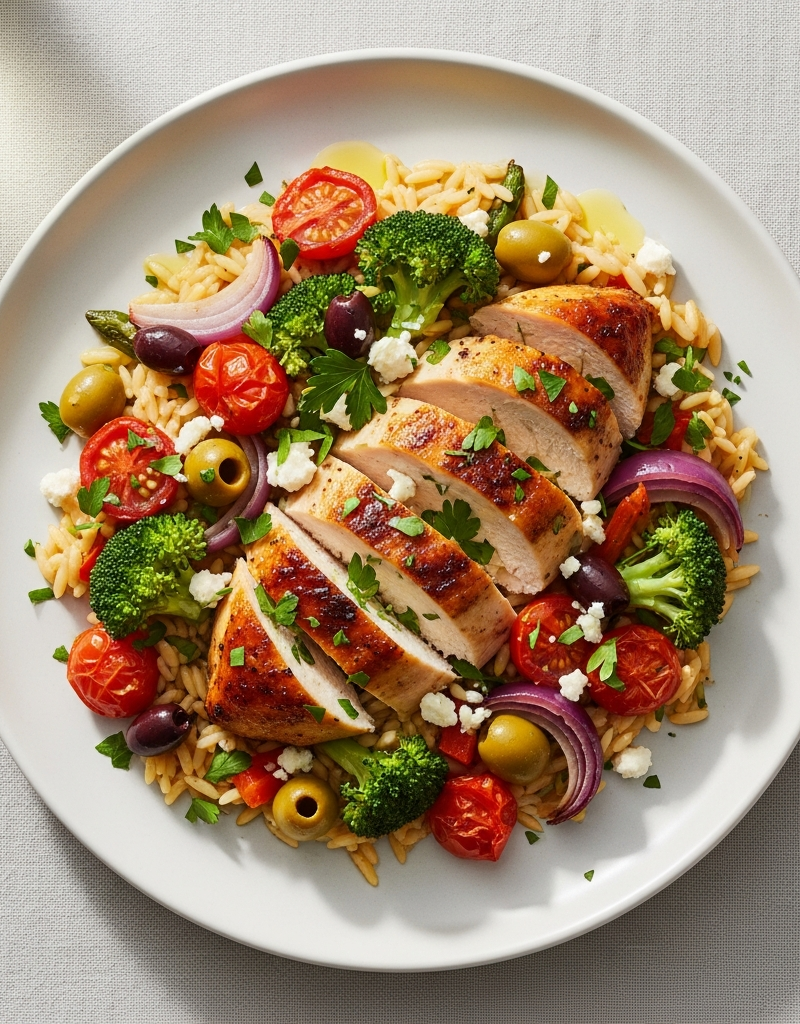
Mediterranean Baked Chicken with Orzo and Vegetables
40g protein, 40 minutes.
 45 min
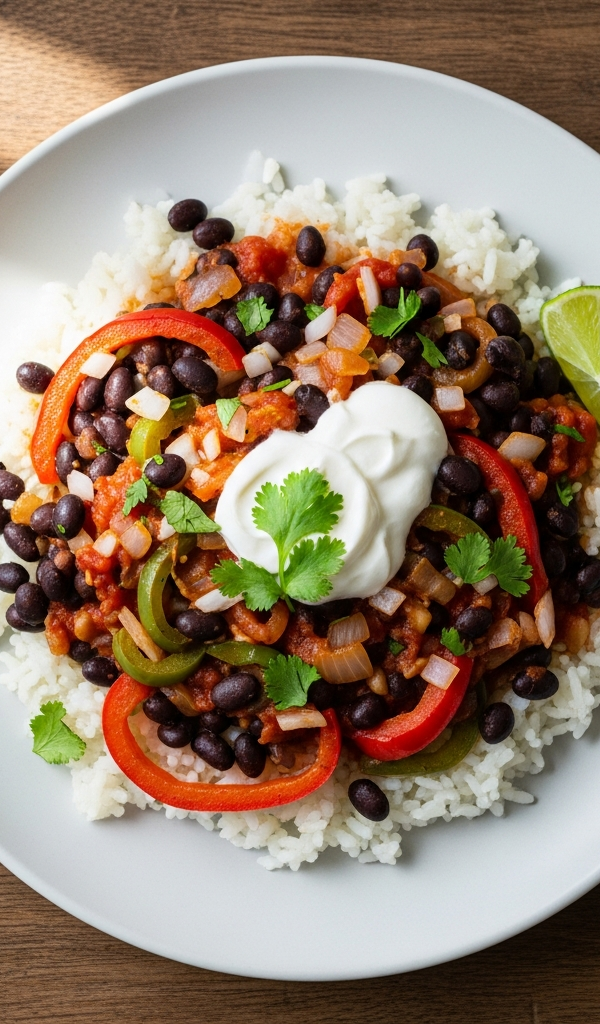
Simple Black Bean and Rice Skillet
One pan, under 40 cents of protein a serving.
 20 min
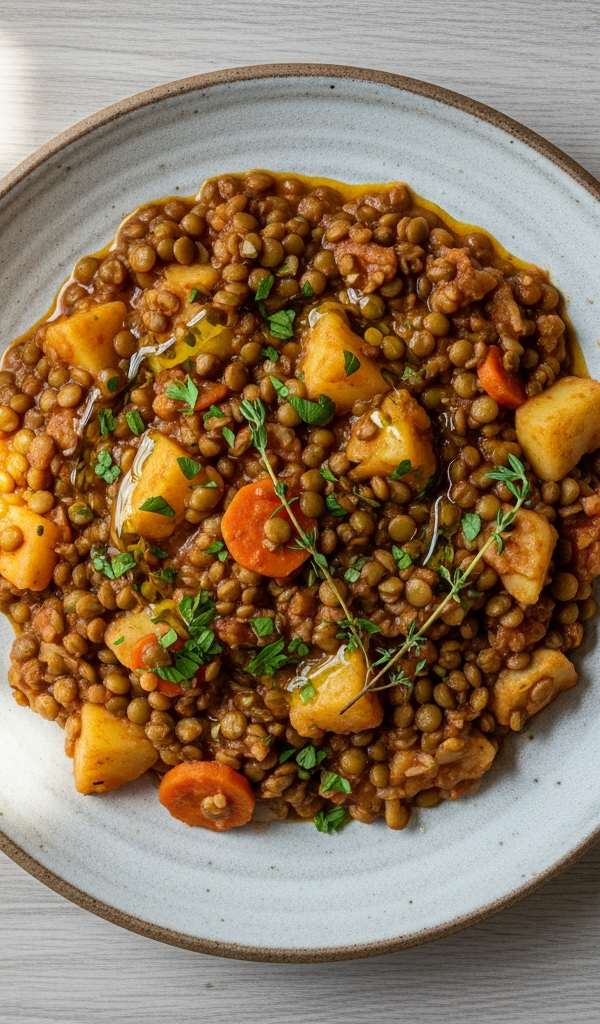
Hearty Potato and Lentil Stew
Makes dinner and the next day's lunch in one pot.
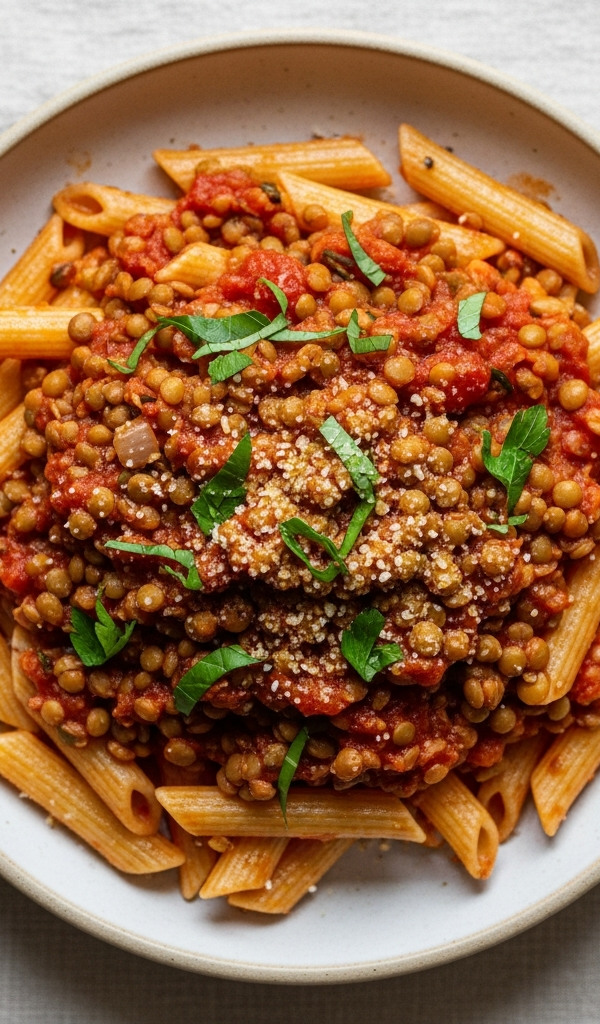 20 min
Pasta with Lentil Tomato Sauce
Lentils instead of mince. Nobody notices.
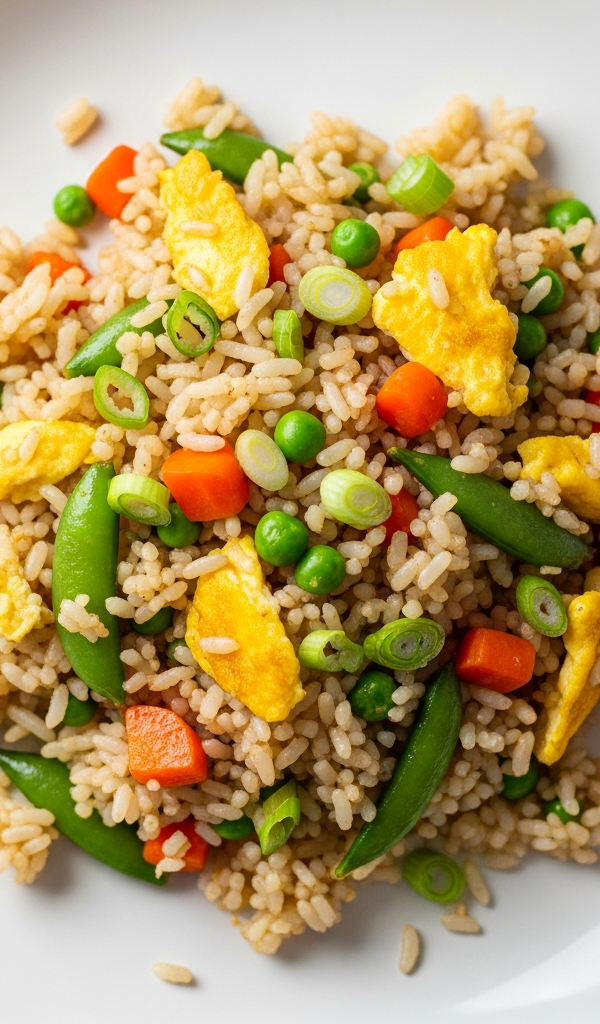 20 min
Cheap and Cheerful Egg Fried Rice
Leftover rice plus eggs. Twelve minutes, pennies a serving.
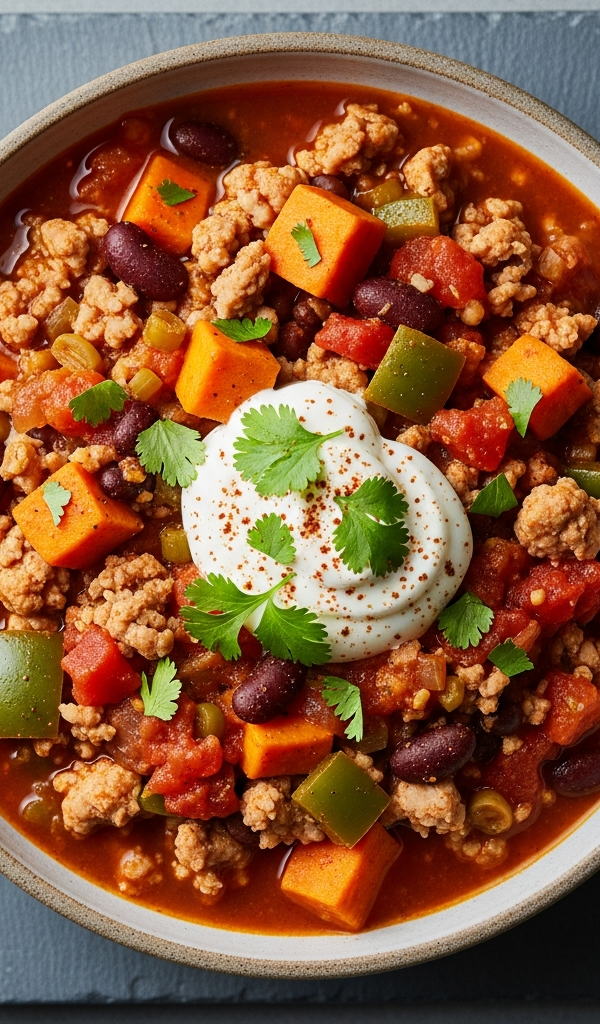 20 min
Sweet Potato Turkey Chili
Big flavour, cheap cut, reheats better than it cooks.
Frequently asked questions
How do I track my grocery spending?
Record four numbers a week: what the list came to before you shopped, what the receipt actually came to, how many shopping trips you made, and what you spent eating out. Photograph receipts rather than transcribing them. Itemising every product is the reason most people abandon tracking, and it produces information you cannot act on.
What is the most useful thing to track about food spending?
The gap between the planned total and the actual total. The total alone tells you what happened; the gap tells you why. A consistent overshoot means the plan is priced wrong, while occasional large overshoots almost always correlate with extra shopping trips.
How much should I be spending on groceries?
Two people cooking most meals at home run around $85.27 a week, or $366.66 a month. That is a benchmark rather than a target - household size, region and diet all move it - but it is a useful comparison if your own figure feels high and you cannot see why.
Do I need a grocery budgeting app or a spreadsheet?
Neither, for the tracking itself - four columns in a phone note is enough. What genuinely helps is something that produces the planned total for you, because pricing a list by hand is the step people skip, and without it there is nothing to compare the receipt against.