
Grocery budgeting
Is bulk buying worth it?
Bulk is only cheaper on what you finish. A 25% discount is wiped out by wasting 20% — so the question is never the price, it is the shelf life.
By Joao Dunlap · · 4 min read
The short version
- Bulk is cheaper per unit bought and often more expensive per unit eaten.
- A 25% bulk discount is cancelled out by wasting 20% of it.
- Buy shelf-stable in bulk. Never buy fresh in bulk unless you freeze it that day.
- Storage space and household size decide this more than price does.
Bulk buying is treated as obviously sensible, and for some things it is. But the comparison people make — price per pound in the big pack versus the small one — is the wrong one. The number that matters is price per pound you actually eat.
Those are the same figure only when you finish the pack. As soon as any of it goes in the bin, the discount starts unwinding, and it unwinds faster than people expect.
The break-even, worked out
Bulk packs typically run 15–30% cheaper per unit. Here is how much waste it takes to erase that.
| Bulk discount | Waste that erases it | Meaning |
|---|---|---|
| 10% | About 9% | Almost no room for error |
| 20% | About 17% | One spoiled bag in six |
| 25% | About 20% | A fifth thrown away and you have saved nothing |
| 40% | About 29% | Even here, a third wasted wipes it out |
What to buy in bulk
The costs nobody counts
- 1Membership fees. A warehouse membership has to be earned back before a single item is cheaper.
- 2The drive. Fuel and time to a bigger store further away is a real cost against a marginal saving.
- 3The extra items. Large-format stores are designed so you leave with more than you came for, which routinely erases the saving on the thing you went for.
- 4Consumption creep. People eat more of what is abundantly available. A large bag of snacks empties faster than a small one, which is not a saving at all.
- 5Storage. Food you cannot see is food you forget, and forgotten food is waste with a discount attached.
Meals that finish a bulk bag
The way to make bulk pay is to plan the meals that use it. These lean on the exact staples worth buying big. From the NeatEat library.
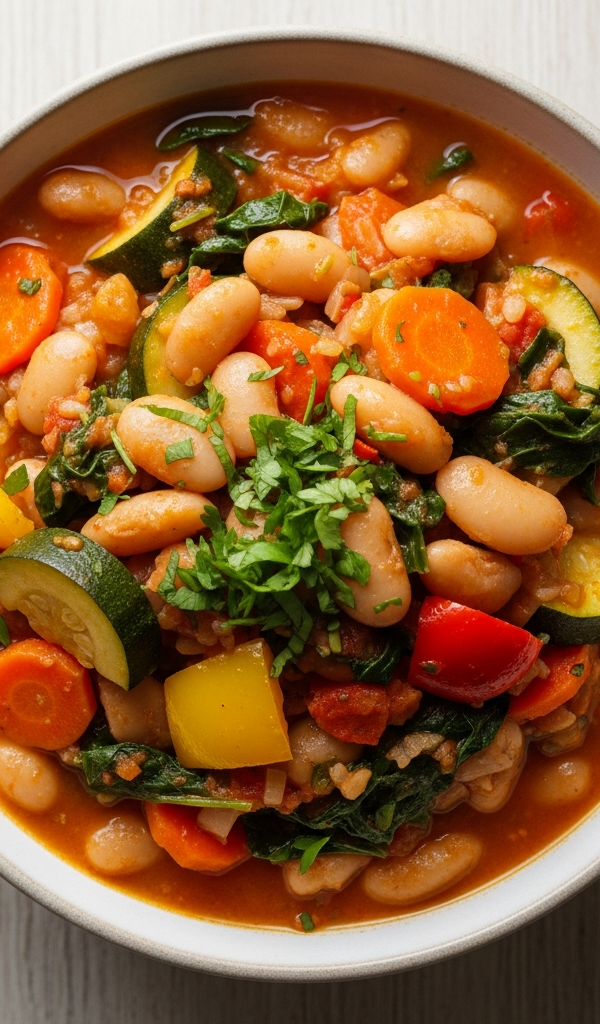 20 min
Butter Bean and Vegetable Stew
33g protein, 20 minutes.
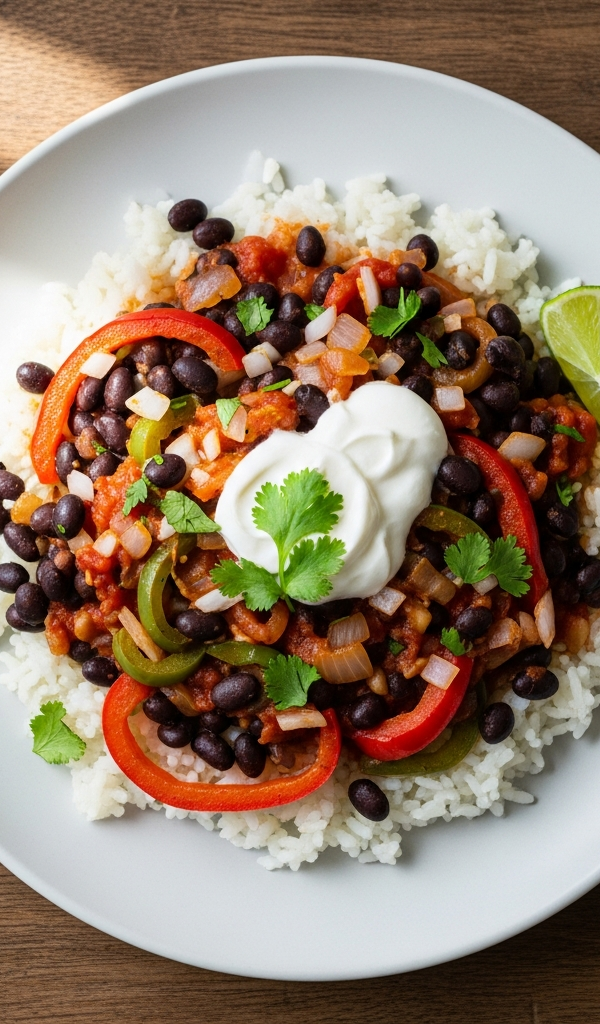 45 min
Simple Black Bean and Rice Skillet
One pan, under 40 cents of protein a serving.
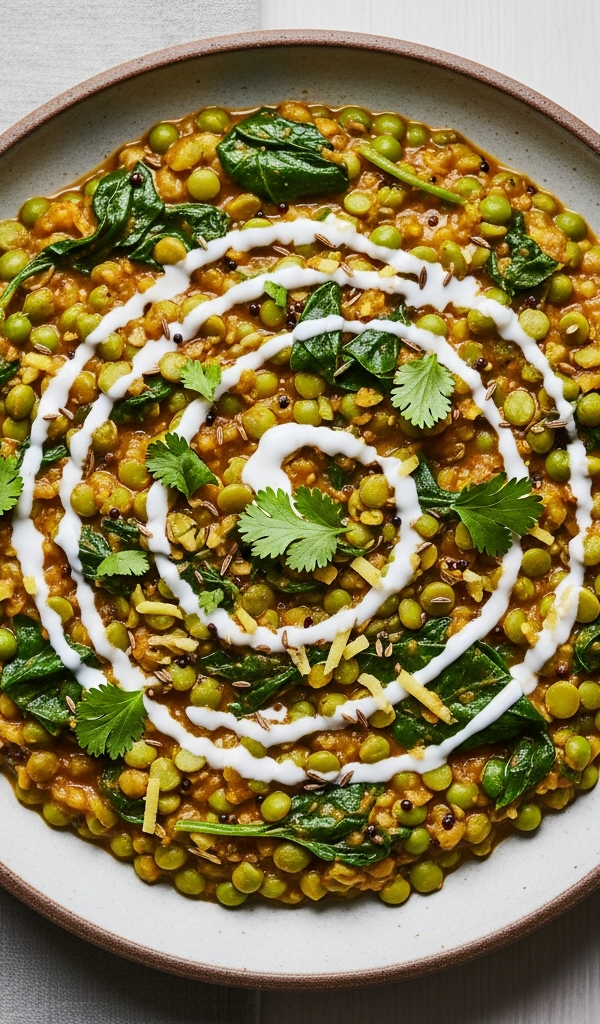 20 min
Split Pea and Spinach Curry
35g protein, 20 minutes.
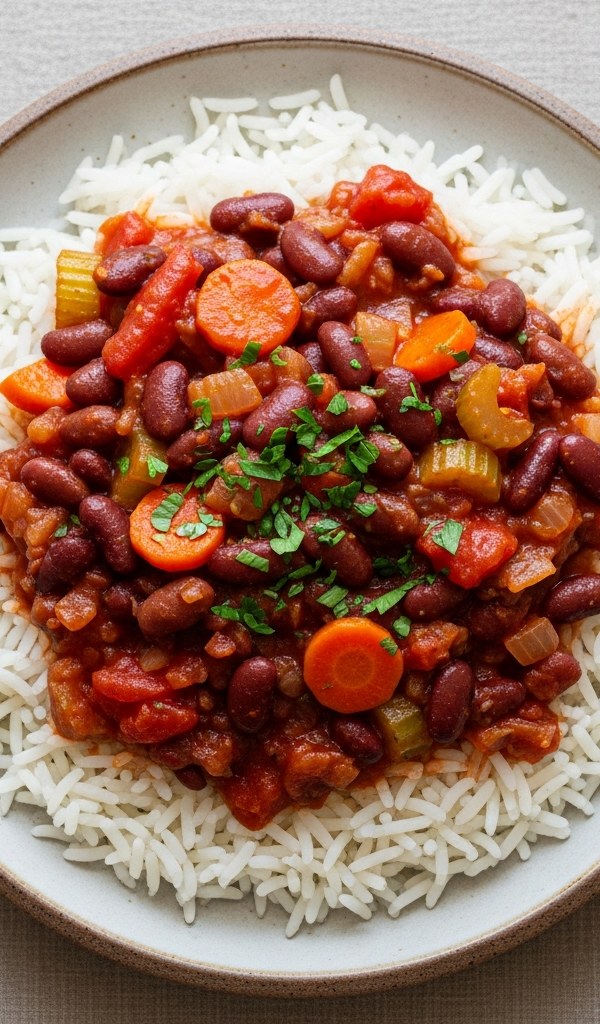 45 min
Hearty Kidney Bean Stew with Rice
One pot, and it improves overnight.
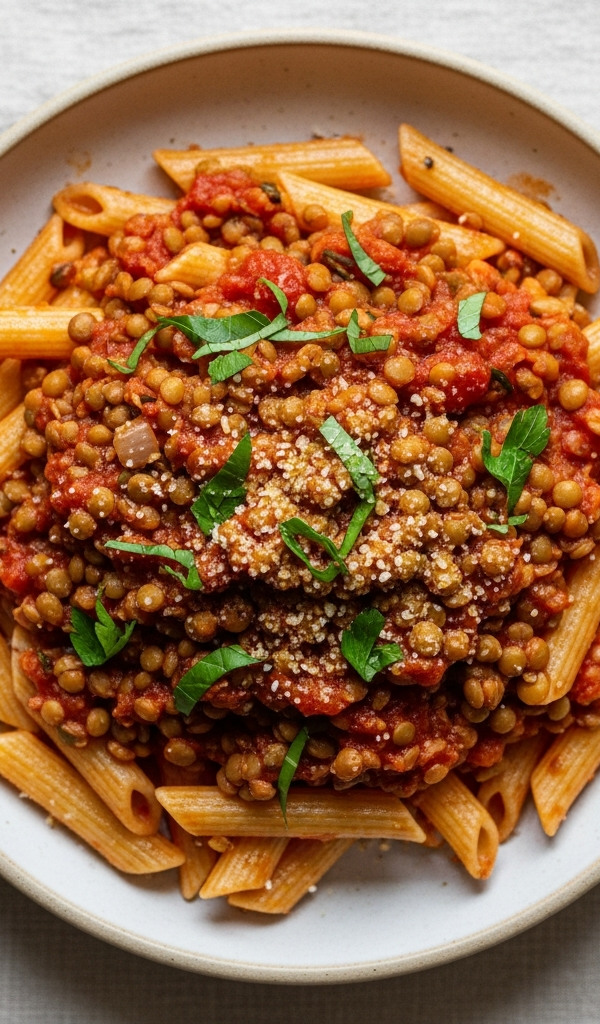 20 min
Pasta with Lentil Tomato Sauce
Lentils instead of mince. Nobody notices.
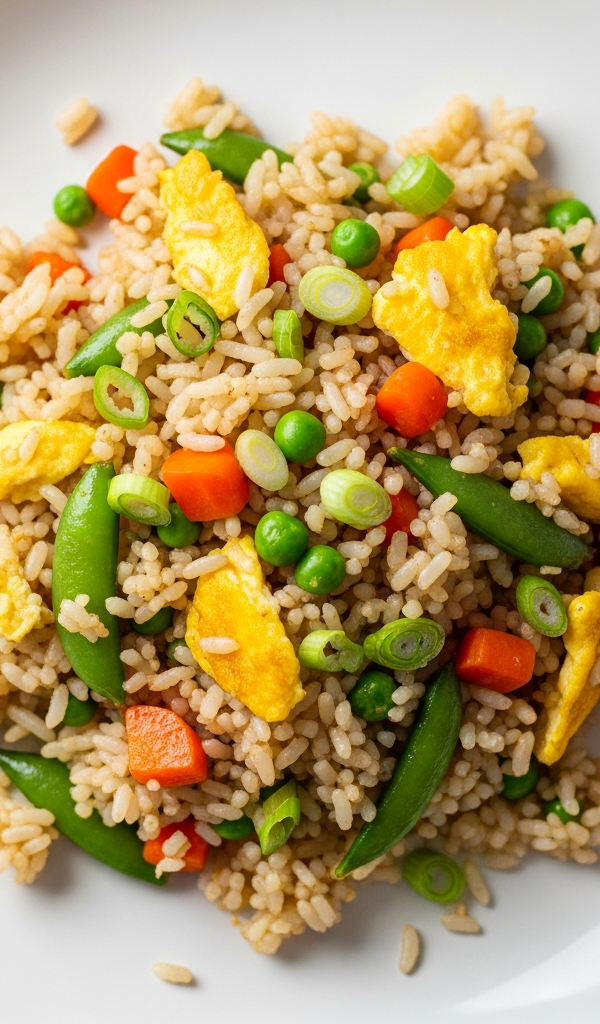 20 min
Cheap and Cheerful Egg Fried Rice
Leftover rice plus eggs. Twelve minutes, pennies a serving.
Frequently asked questions
Is buying in bulk actually cheaper?
Only for what you finish. Bulk packs are usually 15-30% cheaper per unit, but a 25% discount is completely erased by throwing away about 20% of the pack. The comparison that matters is price per unit eaten, not price per unit bought.
What should you buy in bulk?
Things that cannot spoil: rice, dried beans and lentils, oats, pasta, tinned goods and cooking oil. Meat and fish are worth buying big only if you portion and freeze them the day you bring them home. Fresh produce, dairy and bread are almost never worth it.
Is bulk buying worth it for one or two people?
For shelf-stable staples, yes - a 5 lb bag of rice keeps a year regardless of household size. For anything perishable, usually not, because pack sizes are built around larger households and the clock runs at the same speed whether there are four of you or one.
Is a warehouse club membership worth it?
It depends on whether you clear the fee before you save anything, and on what you buy once inside. The membership, the longer drive and the well-documented tendency to leave with more than you planned all count against the per-unit saving. For a large household buying staples it usually works; for one or two people it often does not.