
Meal planning
Meal planning with picky eaters
Cooking a second dinner doubles the cost of that meal and guarantees you keep doing it. Deconstructed meals solve it structurally rather than through negotiation.
By Joao Dunlap · · 4 min read
The short version
- Cooking two dinners doubles that meal's cost and teaches everyone it is an option.
- Deconstruct instead: one pot, toppings on the table, everyone builds their own.
- Always include one 'safe' component so nobody leaves the table hungry.
- Change one thing at a time. A wholly unfamiliar plate gets refused on sight.
Picky eating is usually treated as a behaviour problem to be solved with persistence. On a budget it is also a straightforward financial one: every night you cook a second dinner, you pay for two meals, cook twice and wash up twice.
The households that stop doing it rarely win an argument. They change the structure of the meal so the argument has nowhere to happen.
Deconstruct, do not negotiate
Most refusal is about mixing, not about ingredients. A child who will not eat a stew will frequently eat every single thing that went into it, served separately. So cook components and let people assemble.
What it costs to cook twice
A week's groceries for two adults runs about $85.27. Cooking a separate second dinner three nights a week adds roughly the ingredient cost of three more meals on top of a plan that already covers everyone — and those second dinners are usually the convenience items, which are the most expensive food in the shop.
- 1The second meal's ingredients. Usually chicken nuggets, pasta or something frozen — bought specifically, used once.
- 2The waste from the first. A portion cooked and refused goes in the bin at full price.
- 3The lost leftover. A dinner eaten by half the table does not produce tomorrow's lunch.
- 4The precedent. Once a separate dinner is available it becomes the expected option, and the range of accepted food narrows further.
Widening the range slowly
- 1
Change one variable per meal
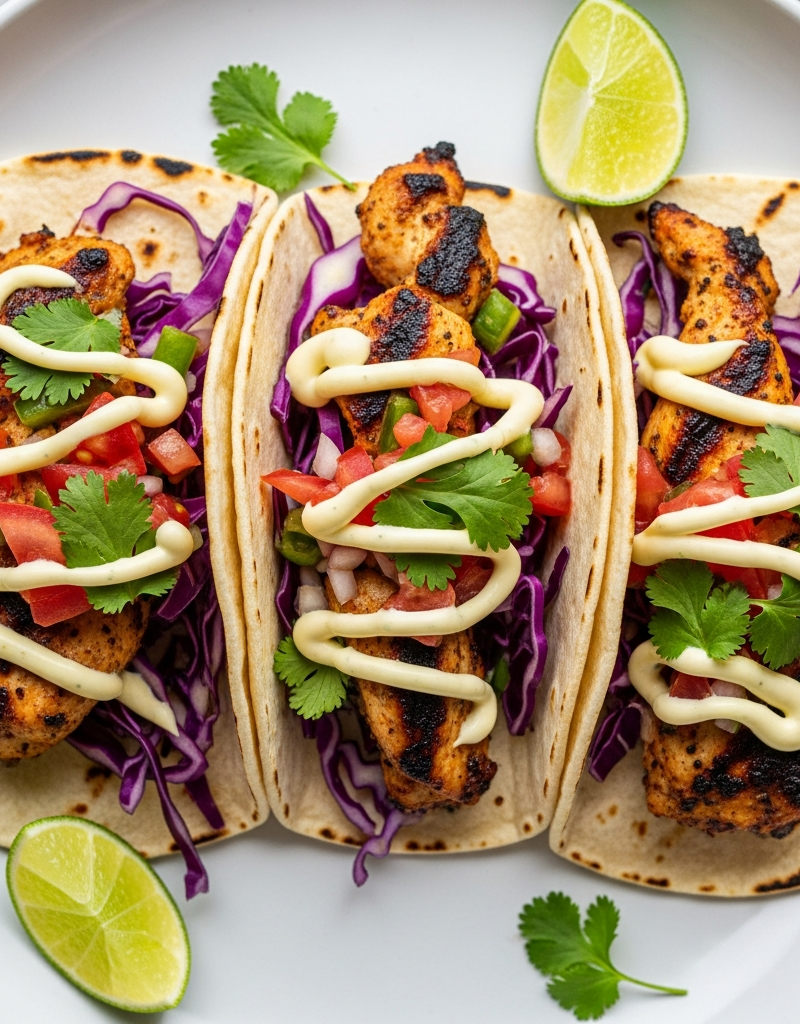
Same dish, one new element. A familiar taco with a new filling is a small ask; an entirely unfamiliar plate is refused before it is tasted.
- 2
Serve the new thing alongside, not instead
A small amount of the new food next to a full portion of something safe. No pressure to eat it and no risk in it being there.
- 3
Keep offering without commentary
Repeated low-stakes exposure is what changes acceptance. Attention on whether it gets eaten is what stops it working.
- 4
Let them build their own plate
Choosing from components is the single biggest predictor of whether a meal gets eaten, and it costs nothing to allow.
Meals that come apart
Every one of these can be served as components rather than a composed plate — cook once, and let everyone assemble. From the NeatEat library.
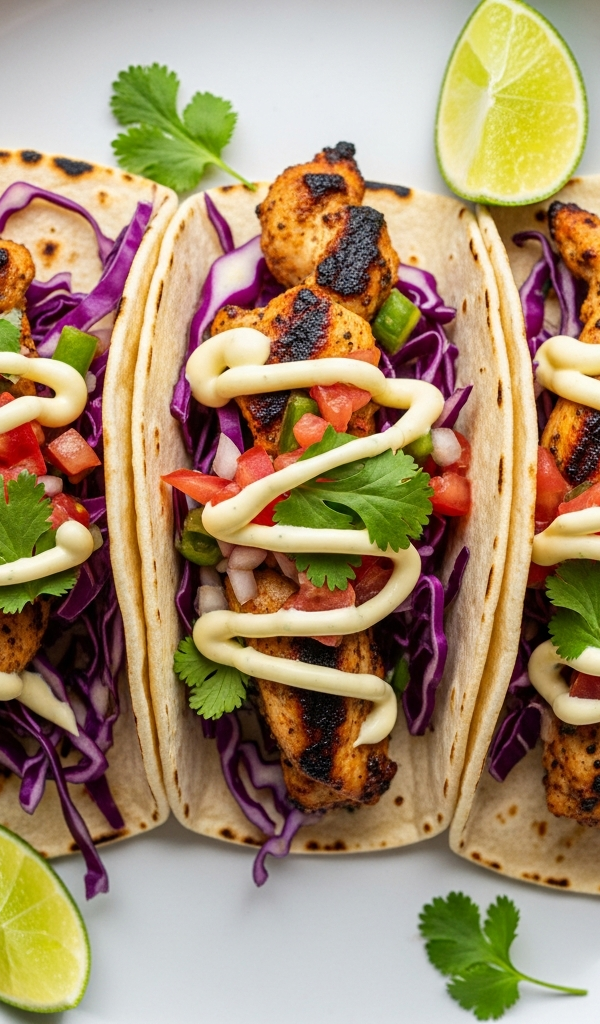 35 min
Baja Chicken Tacos
Feeds a table. Everyone builds their own.
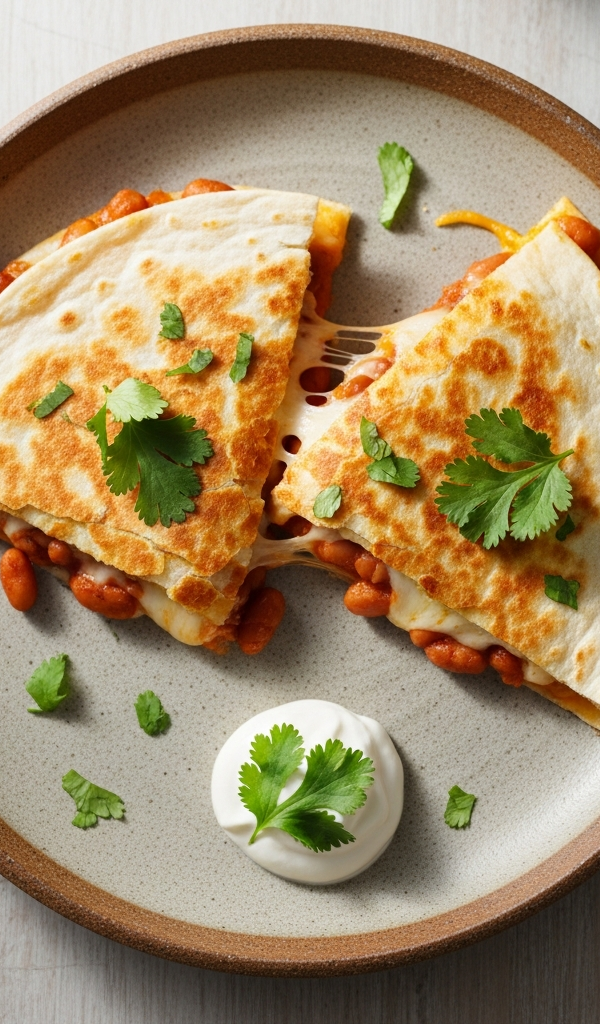 15 min
Cheesy Bean Quesadillas
Fifteen minutes, four ingredients, children eat it.
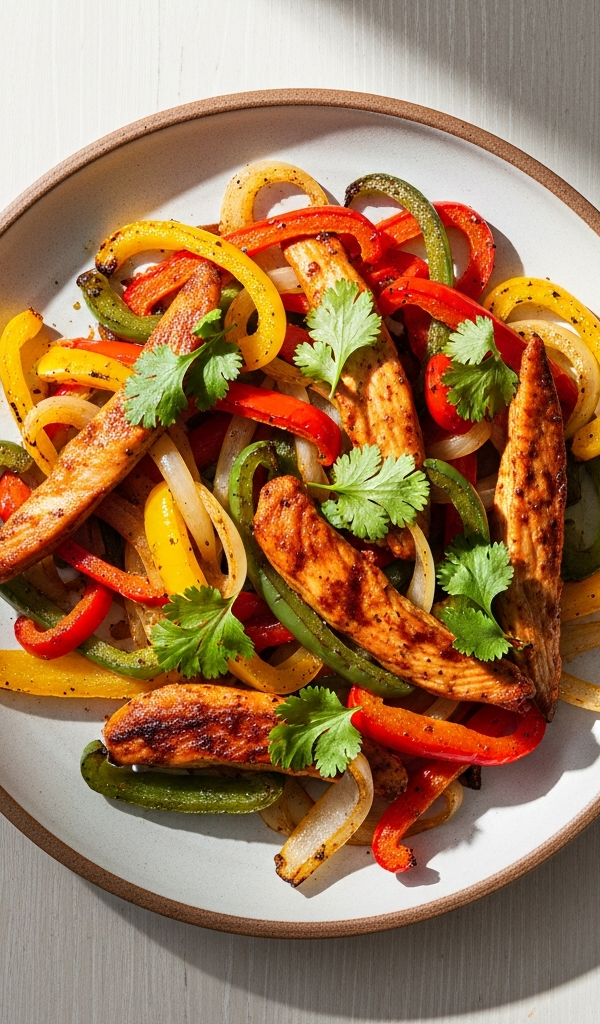 25 min
Sheet-Pan Chicken Fajitas
One tray, and the peppers do the work.
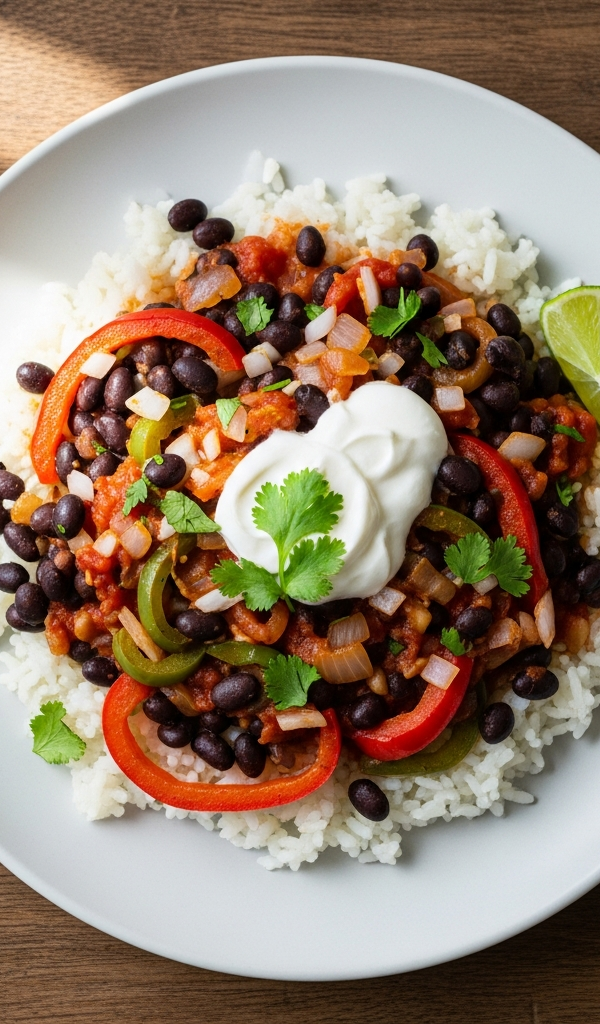 45 min
Simple Black Bean and Rice Skillet
One pan, under 40 cents of protein a serving.
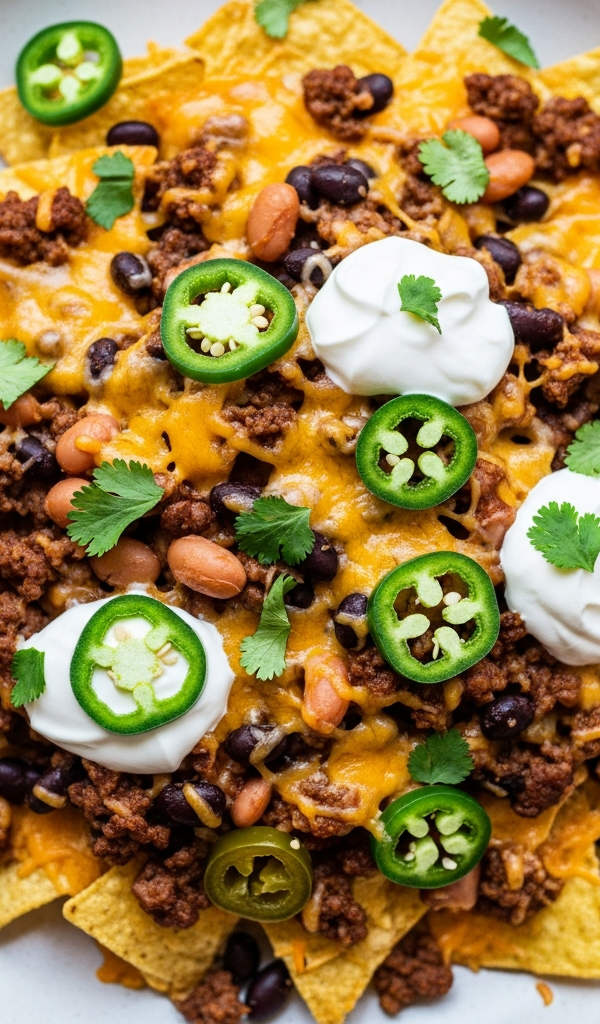 20 min
Sheet-Pan Beef Nachos
Twenty minutes, and it feeds a table.
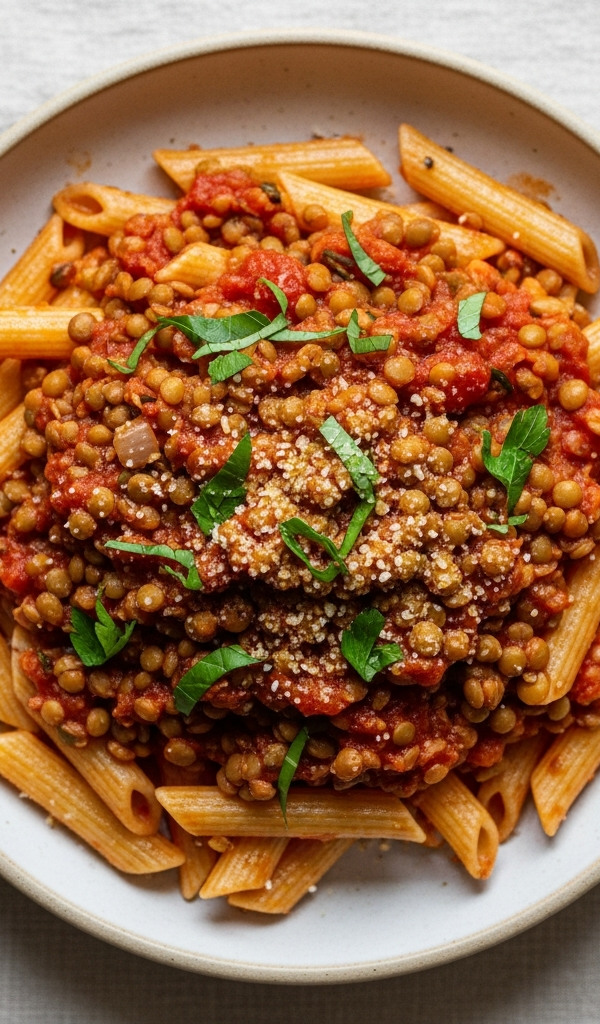 20 min
Pasta with Lentil Tomato Sauce
Lentils instead of mince. Nobody notices.
Frequently asked questions
How do I stop cooking separate meals for picky eaters?
Cook components rather than composed plates. Put the filling in one pot and the toppings on the table - tacos, rice bowls, jacket potatoes, pasta with separate toppings - and let everyone build their own. Most refusal is about ingredients being mixed rather than about the ingredients themselves, so deconstructing removes the objection without any negotiation.
What meals do picky eaters usually accept?
Meals where the components are visible and separate: tacos, fajitas, rice bowls, jacket potatoes, pasta with the sauce served apart, and traybakes where things stay distinct. The common factor is choice at the table rather than any particular ingredient.
How much does cooking two dinners cost?
More than the second meal's ingredients. You pay for the extra food, you waste the refused portion of the first meal at full price, and you lose the leftover that would have been tomorrow's lunch. Against a weekly grocery figure of about $85.27 for two adults, three separate dinners a week is a substantial addition - and the second meal is usually a convenience product, which is the priciest food in the shop.
How do I get a fussy eater to try new food?
Change one thing at a time and serve the new item alongside a full portion of something safe rather than in place of it. Repeated low-pressure exposure is what shifts acceptance; attention on whether it gets eaten reliably stops it working. Letting them assemble their own plate from components helps more than any other single change.