
Budget meal planning
Sheet-pan dinners on a budget
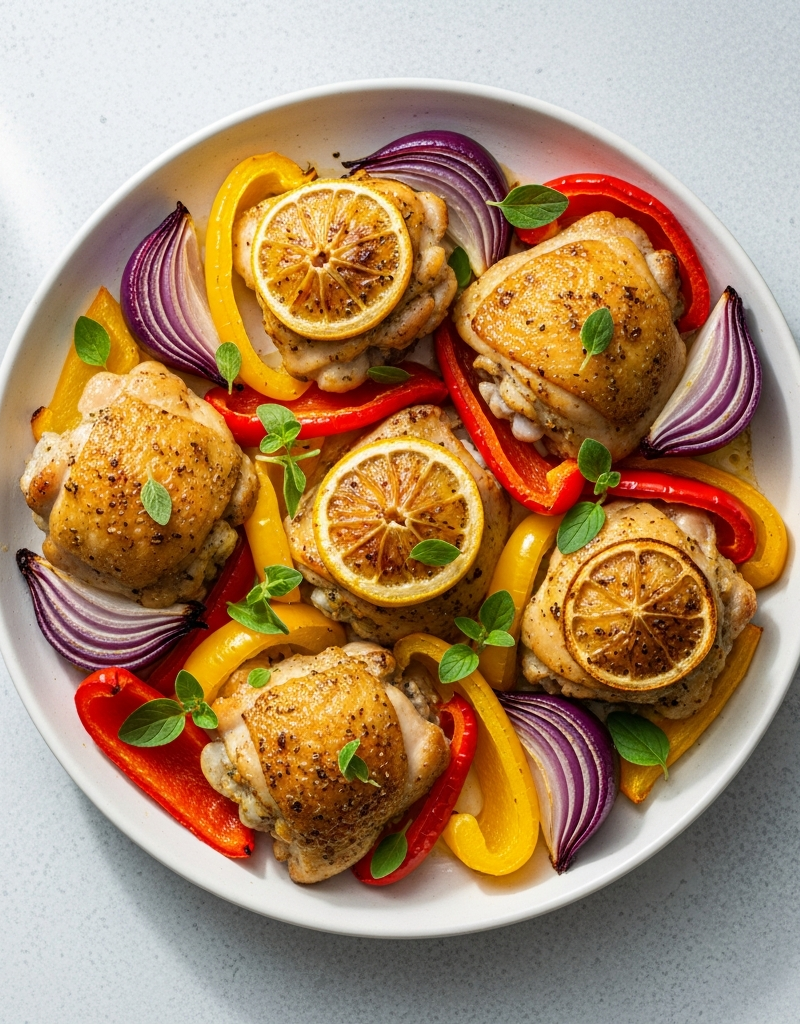
A traybake is the cheapest way to cook because it turns hard vegetables and cheap cuts into the good part. Four rules, and the dinners that follow from them.
By Joao Dunlap · · 3 min read
The short version
- Roasting makes cheap vegetables taste expensive. That is the whole trick.
- Bone-in thighs at $8.95 for 5 lb are the ideal traybake protein.
- Cut hard vegetables smaller than soft ones and everything finishes together.
- Crowd the tray and you steam it. One layer, space between things.
Roasting is the cheapest cooking technique there is, because it improves exactly the ingredients that cost the least. Potatoes, carrots, cabbage, onions and bone-in chicken all get better with dry heat, while the expensive things — fillets, delicate fish, tender cuts — get worse.
A tray also means one thing to wash and nothing to watch, which is why it survives a weeknight when a recipe with three pans does not.
The four rules
- 1
Cut for time, not for looks
Hard things small, soft things large. Potato in 2cm pieces and courgette in thick chunks finish together; cut them the same size and one is raw while the other collapses.
- 2
One layer, with space
A crowded tray steams instead of roasting, and steamed vegetables are the reason people think traybakes are bland. Two trays beats one overloaded one, and the oven is already on.
- 3
Use a protein that likes long heat
Bone-in chicken thighs are the ideal traybake protein — $8.95 for a 5 lb pack, hard to overcook, and the fat renders into the vegetables underneath, which is where the flavour comes from.
- 4
Add acid at the end
Lemon, vinegar or yogurt off the heat. Roasting concentrates sweetness, and without something sharp the tray tastes flat no matter how well it cooked. This is the step that separates a good traybake from a dull one.
The formula
| Component | Pick one or two | Why |
|---|---|---|
| Hard vegetable | Potato, sweet potato, carrot, parsnip | The bulk. Cheapest part of the tray, cut smallest |
| Soft vegetable | Peppers, onion, courgette, tomatoes | Sweetness and moisture. Cut larger, added same time |
| Protein | Chicken thighs, sausages, a tin of chickpeas | Fat renders down into everything below it |
| Fat and seasoning | Oil, salt, paprika or dried herbs | Not optional — dry vegetables do not brown |
| Finish | Lemon, vinegar, yogurt, fresh herb | Added off the heat. Stops it tasting flat |
Traybakes worth cooking
One tray, one wash, and most of them leave leftovers. From the NeatEat library, which will plan them into a week costed against your store.
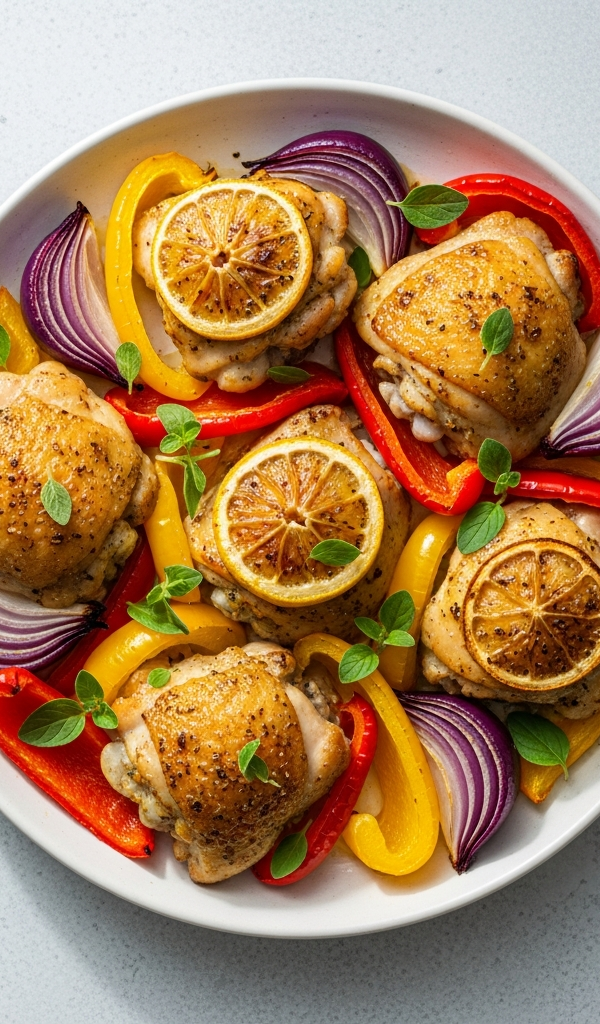 45 min
Greek Chicken and Vegetable Traybake
Everything roasts together. One thing to wash.
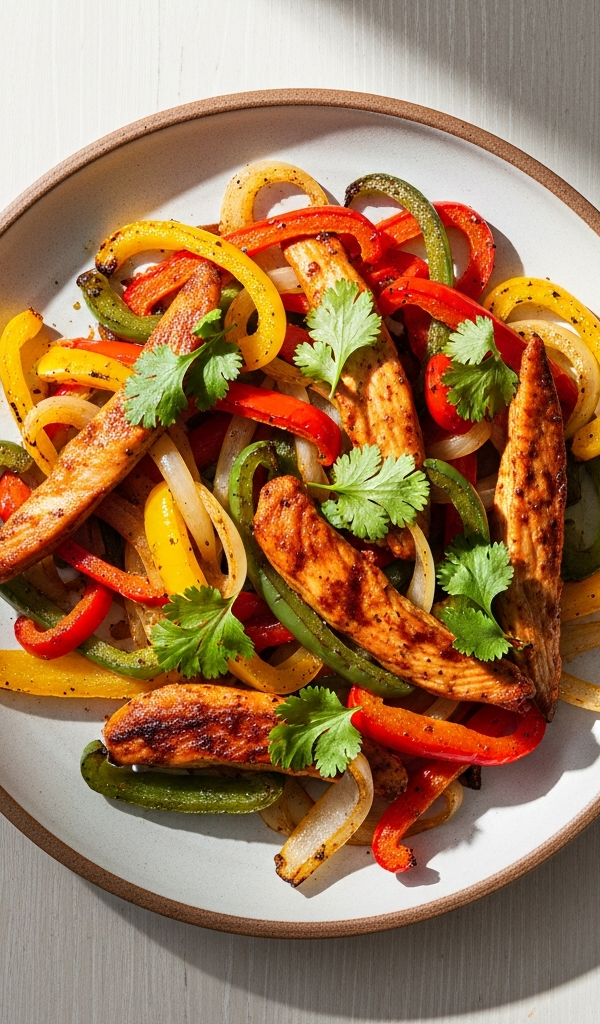 25 min
Sheet-Pan Chicken Fajitas
One tray, and the peppers do the work.
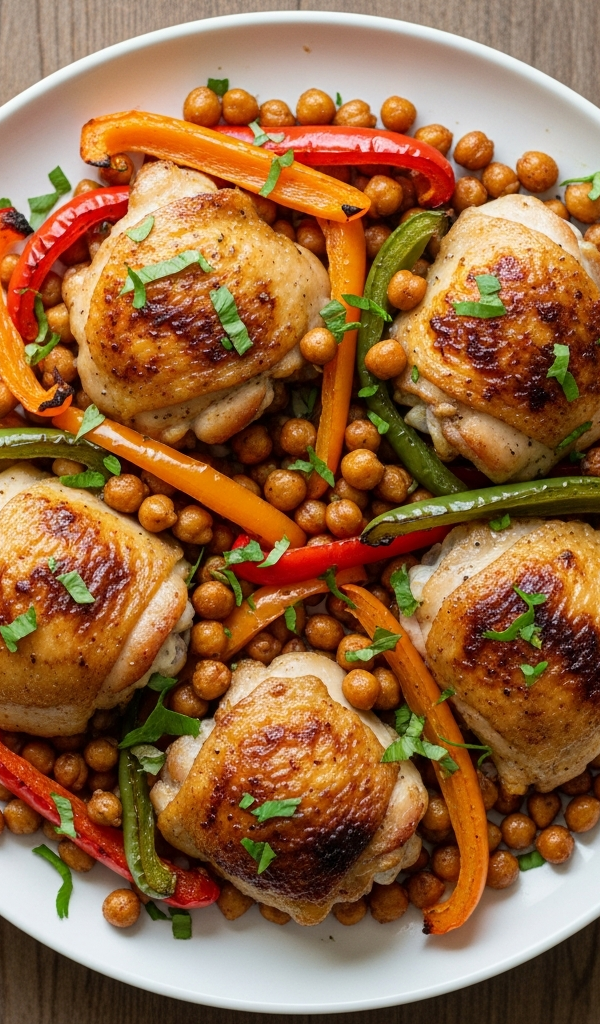 50 min
Sheet-Pan Chicken with Roasted Chickpeas
One tray, and leftovers carry two more meals.
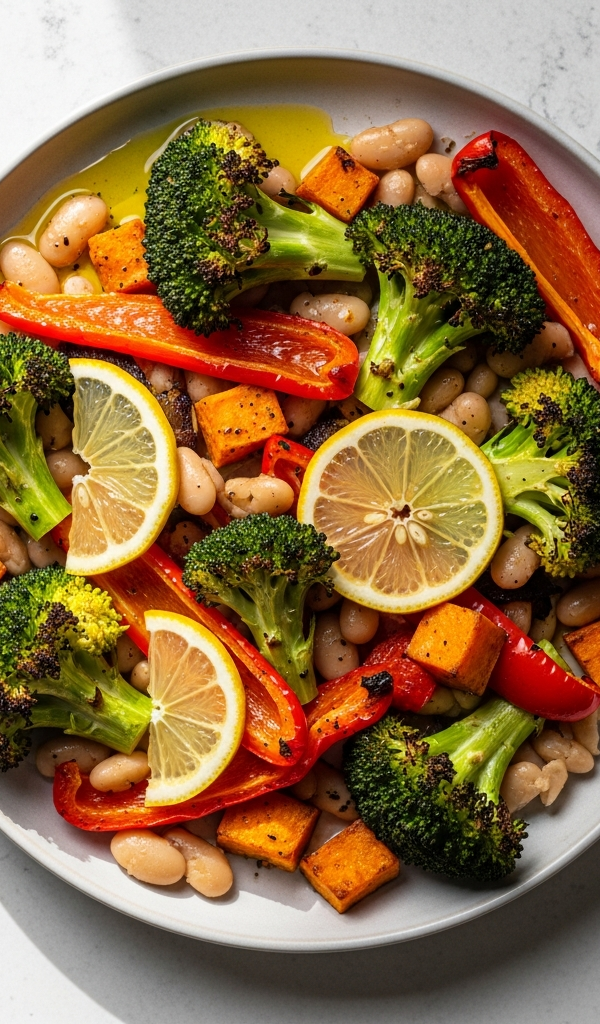 40 min
Roasted Vegetable and White Bean Traybake
No meat, no pans, no effort.
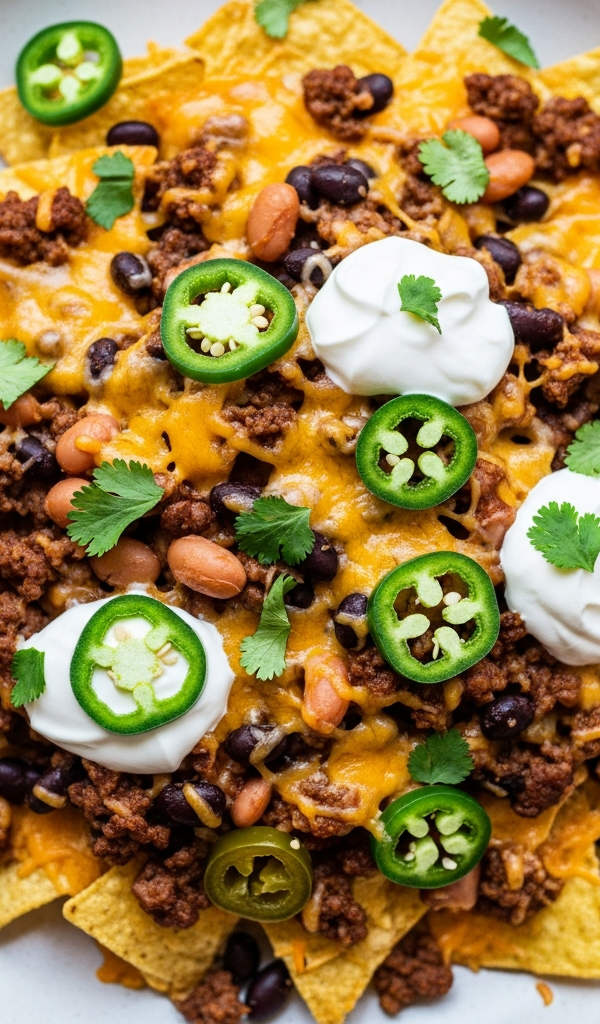 20 min
Sheet-Pan Beef Nachos
Twenty minutes, and it feeds a table.
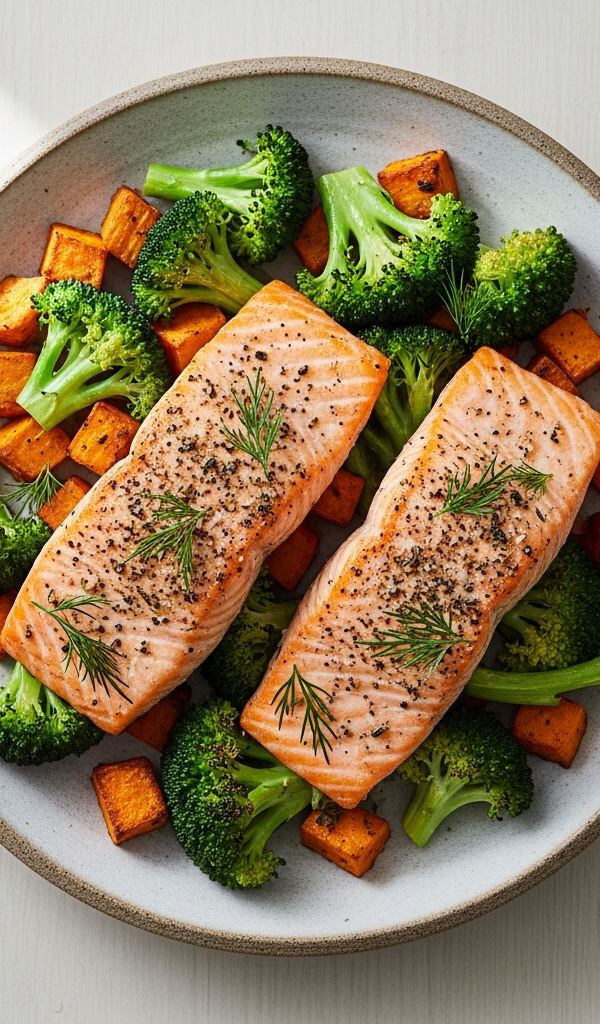 35 min
Sheet-Pan Salmon with Broccoli and Sweet Potato
Fish, veg and starch on a single tray.
Frequently asked questions
What is the cheapest sheet-pan dinner?
Bone-in chicken thighs with potatoes, carrots and onion. The thighs are around $8.95 for a 5 lb pack and the vegetables are the cheapest in the shop, while roasting is the technique that improves all of them most. A tray of vegetables and chickpeas with no meat at all is cheaper again.
Why do my sheet-pan dinners come out soggy?
The tray is too crowded. Food packed together releases steam that cannot escape, so it braises rather than roasts. Spread everything in a single layer with visible gaps, and use two trays rather than one overloaded one - the oven is already hot, so the second tray costs nothing.
How do I stop some things burning while others are raw?
Cut for cooking time rather than for appearance. Hard vegetables like potato and carrot go small, soft ones like courgette and peppers go large, and then everything finishes at the same moment. Cutting everything to a uniform size is the usual cause of half-raw, half-burnt trays.
What protein works best in a traybake?
Bone-in, skin-on chicken thighs. They are roughly half the price of breast, very hard to overcook over a long roast, and the rendering fat seasons everything else on the tray. Sausages and tinned chickpeas both work well too; lean fillets and delicate fish do not.