
Grocery budgeting
First apartment grocery list
The first shop after moving out is the one everyone overspends. Here is what to buy on day one — $65.73 — and what can wait a month.
By Joao Dunlap · · 4 min read
The short version
- A complete starter shop: $65.73, most of which lasts months.
- Buy the things that make other things possible: oil, salt, stock, a grain, a pulse.
- Do not stock a whole kitchen in week one. Buy for the meals you will actually cook.
- Two pans and one tray cook everything on this list.
The first grocery shop in a new place is the most expensive one anybody ever does, because it feels like you have to buy everything at once. You do not. Most of a well-stocked kitchen accumulates over months, and buying it in week one produces a cupboard of things you never open.
What you genuinely need on day one is the short list that makes cooking possible at all — a fat, a seasoning, a grain, a pulse, and enough fresh food for a few days. That comes to $65.73, and most of it will still be there in three months.
The day-one shop
Everything here either makes other food possible or keeps for months. Nothing on it is bought for a single recipe.
| Item | Quantity | Price |
|---|---|---|
| Yellow onions | 3 lb bag | $3.49 |
| Garlic | 1 head | $0.79 |
| Carrots | 2 lb bag | $2.29 |
| Russet potatoes | 5 lb bag | $4.49 |
| Item | Quantity | Price |
|---|---|---|
| Dried black beans | 1 lb | $1.99 |
| Dried lentils | 1 lb | $1.89 |
| Canned chickpeas | 2 cans | $2.18 |
| Peanut butter | 16 oz | $2.98 |
| Canned tuna | 2 cans | $2.58 |
| Eggs | 18 count | $4.98 |
| Item | Quantity | Price |
|---|---|---|
| Vegetable oil | 48 oz | $4.29 |
| All-purpose flour | 5 lb | $3.49 |
| Stock cubes | 1 box | $1.89 |
| Long-grain white rice | 5 lb bag | $5.49 |
| Rolled oats | 42 oz | $4.29 |
| Pasta | 2 lb | $2.58 |
| Canned diced tomatoes | 2 cans | $2.38 |
| Sandwich bread | 1 loaf | $2.49 |
| Item | Quantity | Price |
|---|---|---|
| Milk | 1 gallon | $3.89 |
| Butter | 1 lb | $4.49 |
| Cheddar | 8 oz block | $2.79 |
| Complete starter shop | $9.39 per person per day | $65.73 |
What makes the list, and why
What can wait
- A full spice rack. Buy three — salt, pepper, paprika or chilli — and add one whenever a recipe needs it. A rack bought at once is mostly waste.
- Speciality vinegars, oils and sauces. They sit behind the things you use, for years.
- Baking supplies, unless you already bake. Flour is on the list for thickening and flatbread, not for cakes you have not made yet.
- Matching containers and gadgets. They feel like setting up a kitchen and cook nothing.
- Bulk anything. You do not yet know what you will eat here. Bulk buys before you know your habits become bulk waste.
The first meals to cook
Short lists, one or two pans, and made almost entirely from the starter shop above. From the NeatEat library.
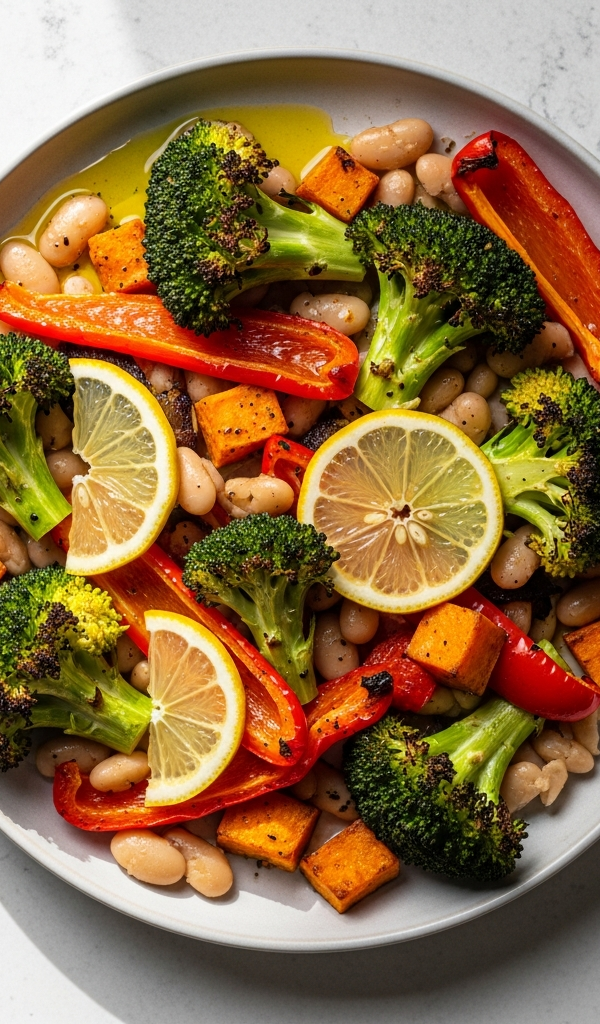 40 min
Roasted Vegetable and White Bean Traybake
No meat, no pans, no effort.
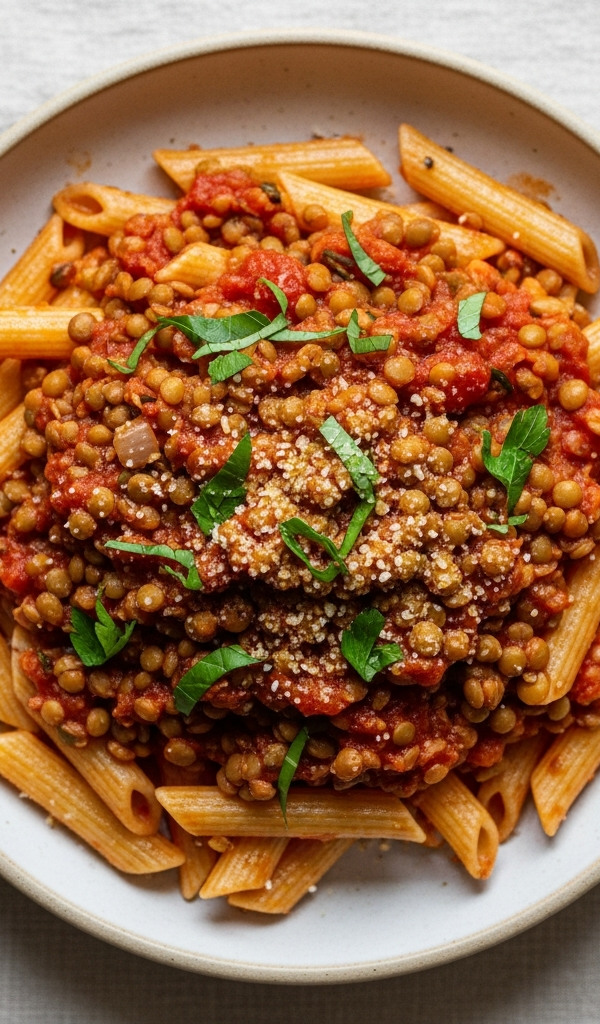 20 min
Pasta with Lentil Tomato Sauce
Lentils instead of mince. Nobody notices.
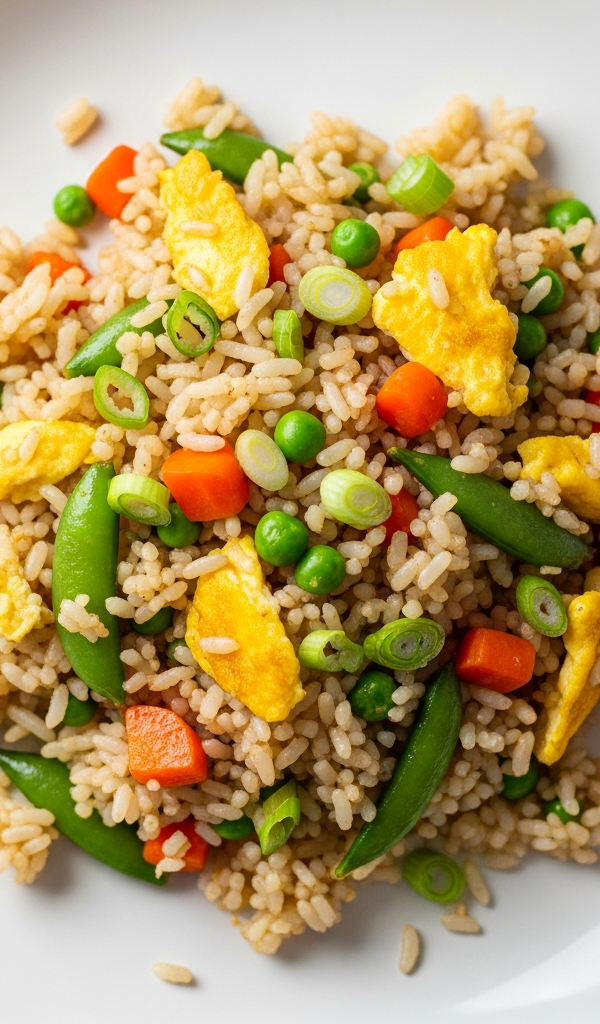 20 min
Cheap and Cheerful Egg Fried Rice
Leftover rice plus eggs. Twelve minutes, pennies a serving.
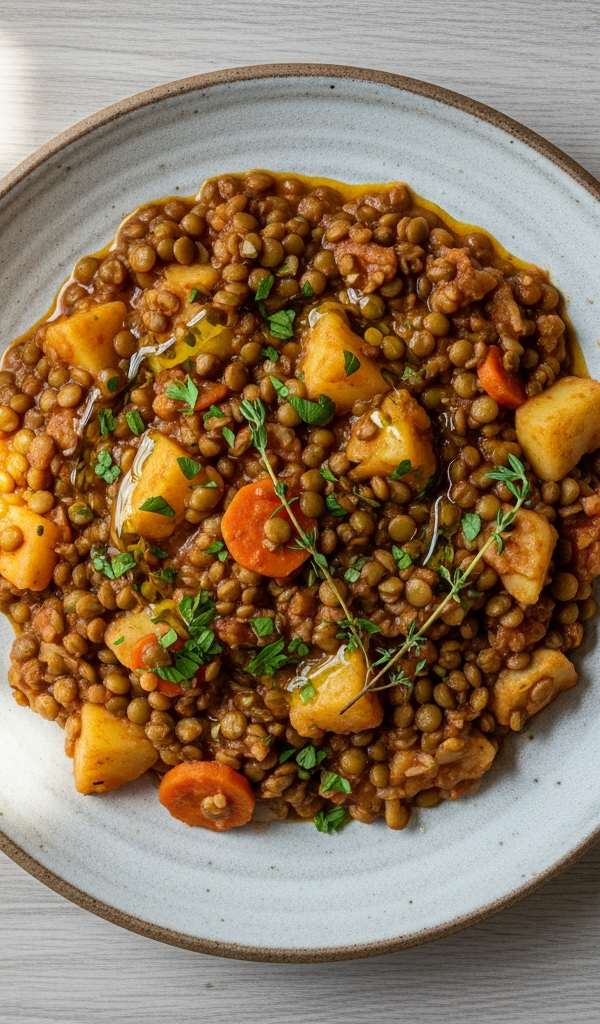 20 min
Hearty Potato and Lentil Stew
Makes dinner and the next day's lunch in one pot.
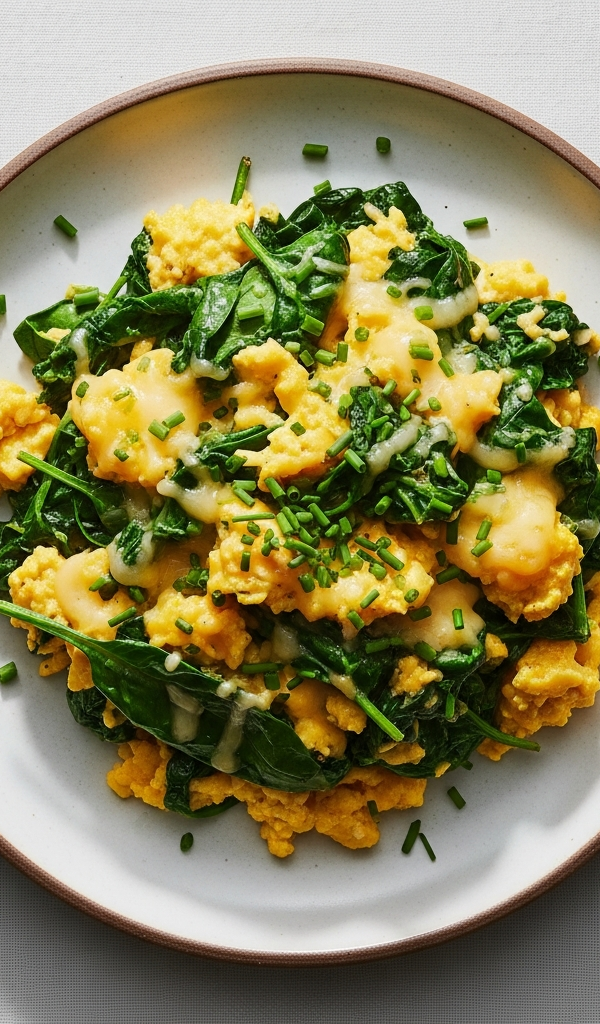 15 min
Spinach and Cheese Scramble
Fifteen minutes, 20g of protein, three ingredients.
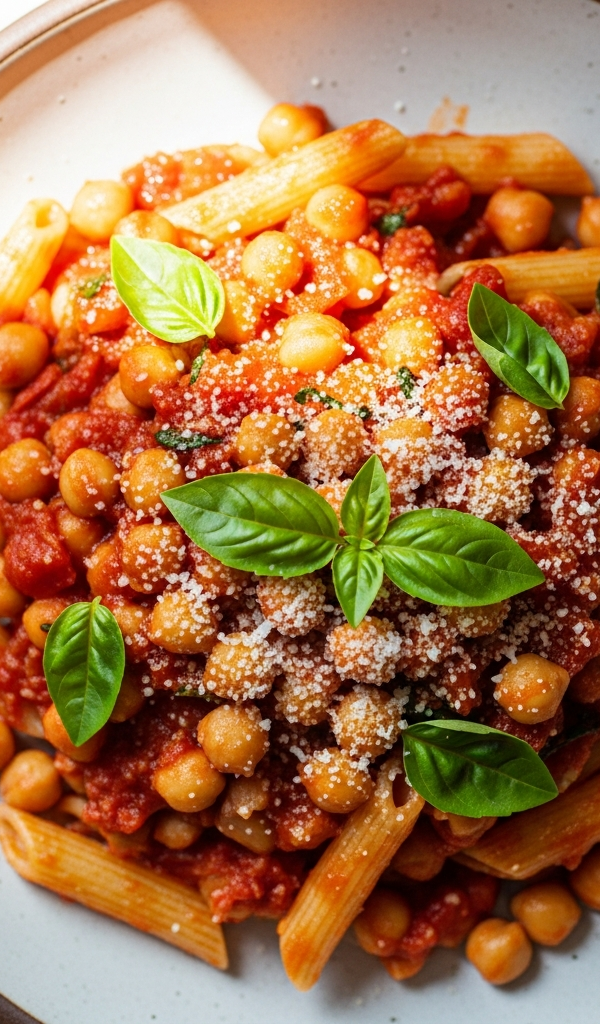 20 min
Tomato and Chickpea Pasta
Two tins and a bag of pasta.
Frequently asked questions
What should I buy for my first apartment grocery shop?
The things that make other food possible: cooking oil, salt, a grain like rice or pasta, a pulse, tinned tomatoes, eggs, and long-keeping vegetables such as onions, garlic, carrots and potatoes. The full starter list on this page comes to $65.73 and most of it lasts months, so the second shop is far smaller.
How much does it cost to stock a kitchen from scratch?
Around $65.73 for a genuinely functional starter shop covering pantry staples, basic fresh food and dairy. Trying to stock a complete kitchen in one trip typically costs several times that and produces a cupboard of ingredients bought for recipes you have not cooked yet.
What kitchen equipment do I actually need?
One large pan, one saucepan, one oven tray, a sharp knife, a chopping board and a wooden spoon. That set cooks everything on a normal weekly plan. Gadgets and matching containers feel like setting up a kitchen but cook nothing, and are better bought the first time a meal genuinely requires them.
What should I not buy when moving out?
A full spice rack, speciality oils and vinegars, baking supplies you have no immediate use for, and anything in bulk. All of them are bought on an idea of how you will cook rather than on how you actually do, and they are the items most likely to still be unopened a year later.