
Grocery budgeting
How to find your cheapest supermarket
Published cheapest-store lists are out of date and wrong for your region. Build a ten-item price book instead and get an answer that is true where you shop.
By Joao Dunlap · · 5 min read
The short version
- No single store is cheapest for everything. Cheapest depends on your basket.
- Compare a fixed ten-item basket, not a whole shop. Anything larger never gets done.
- Unit price is the only comparable number. Shelf price is not.
- Do it once, then re-check twice a year. It is not an ongoing chore.
Every list of cheapest supermarkets has the same two problems: it is an average across a country you do not live in, and it was true on the week somebody surveyed it. Store pricing varies by region, by store format, and by what is on promotion this fortnight.
The answer that is actually true for you takes about twenty minutes to work out, once.
Build a ten-item price book
A price book is a short list of things you buy constantly, with the unit price at each store you might use. Ten items is the right size — enough to be representative, small enough that you will finish it.
- 1
Pick the ten things you buy most often
Not ten random items — the ten that appear in your basket nearly every week. For most households that is something like rice, eggs, chicken, milk, pasta, onions, tinned tomatoes, cheese, bananas and a pulse.
- 2
Record the unit price, not the pack price
Price per pound, per ounce, per litre. It is printed on the shelf label in small type. Pack prices are not comparable across stores because pack sizes are not the same, and that is not an accident.
- 3
Use the same specification everywhere
Store-brand versus store-brand, same fat percentage, same cut. Comparing one store's premium line against another's value line tells you nothing except which line you picked.
- 4
Total the basket per store
One number per store. This is the comparison — not an impression of which store feels cheap, which is heavily influenced by store lighting and layout.
- 5
Note who wins each category, not just overall
Almost nobody is cheapest at everything. One store is usually strong on produce and weak on dairy. If two stores are close together, splitting the shop by category is worth real money.
- 6
Re-check twice a year
Relative pricing moves slowly. Twice a year is enough, and treating this as an ongoing chore is how people abandon it.
What makes a store feel cheap when it is not
When switching store is not the answer
Store choice is worth a few percent of a grocery bill. What you put in the basket is worth far more than where you buy it. If a household is eating meat every night and shopping three times a week, moving to a cheaper chain saves less than fixing either of those.
- Driving further to save on a basket costs fuel and time. Both belong in the comparison.
- Two shops a week at two stores usually costs more than one shop at the pricier one, because every trip adds unplanned items.
- A cheaper store you find unpleasant is a store you will abandon in a month. Consistency beats a marginal win.
Meals that are cheap at any store
Built on staples where store-to-store variation is smallest. From the NeatEat library, which prices the week against the store you actually pick.
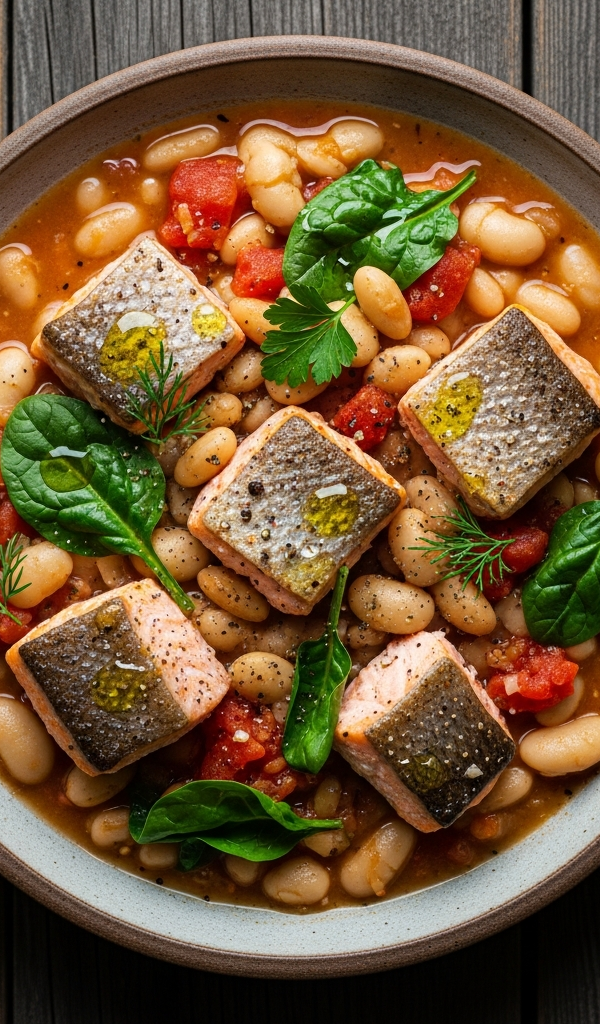 20 min
Salmon and White Bean Stew
36g protein. Tinned fish doing the heavy lifting.
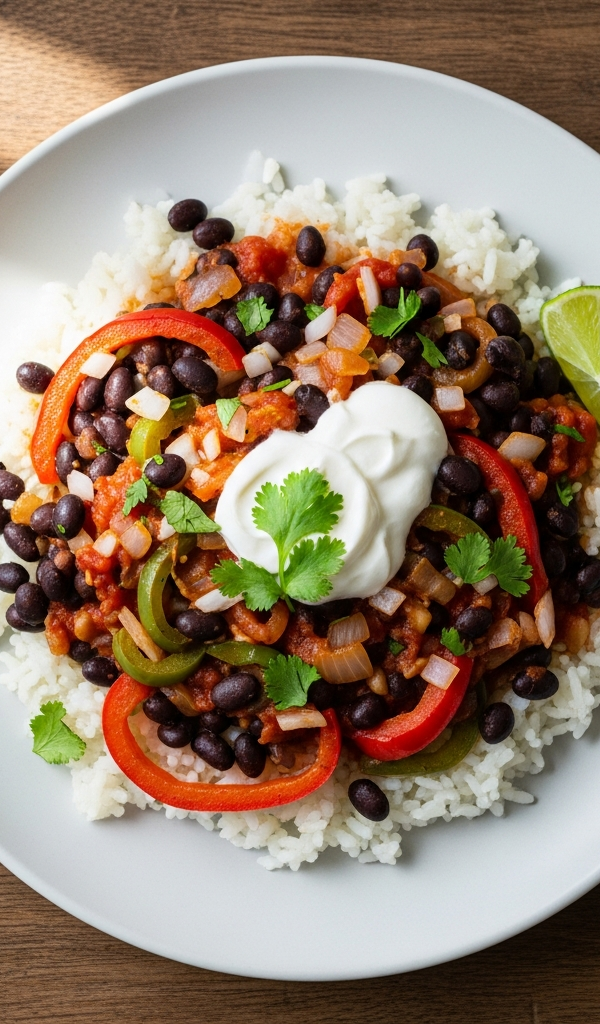 45 min
Simple Black Bean and Rice Skillet
One pan, under 40 cents of protein a serving.
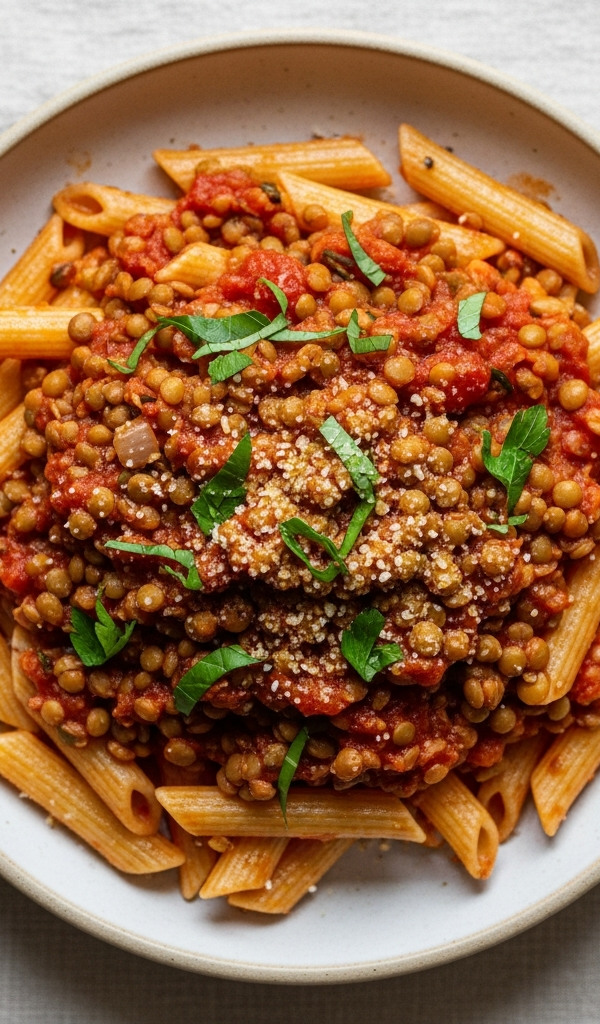 20 min
Pasta with Lentil Tomato Sauce
Lentils instead of mince. Nobody notices.
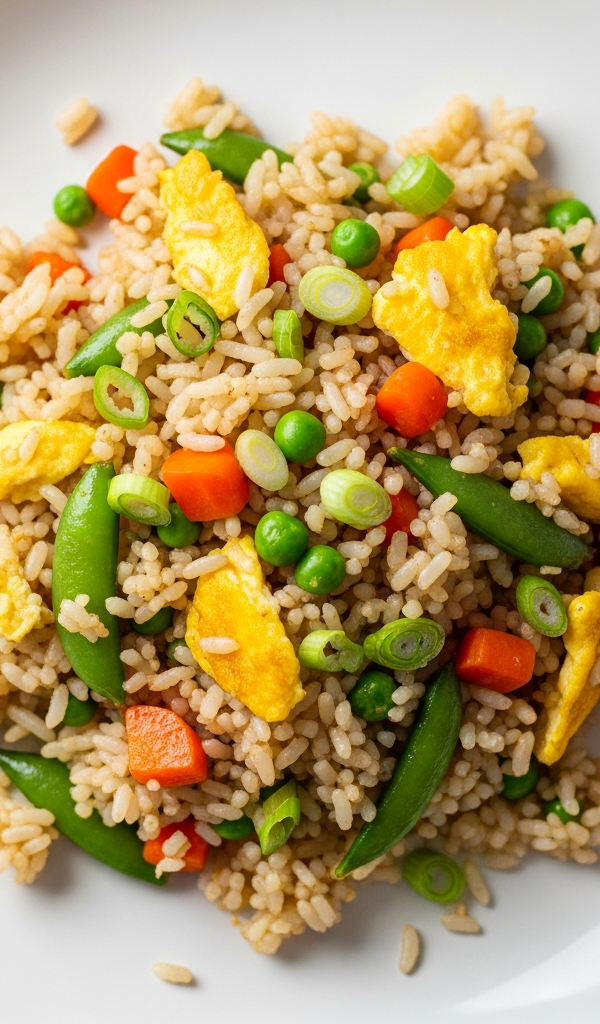 20 min
Cheap and Cheerful Egg Fried Rice
Leftover rice plus eggs. Twelve minutes, pennies a serving.
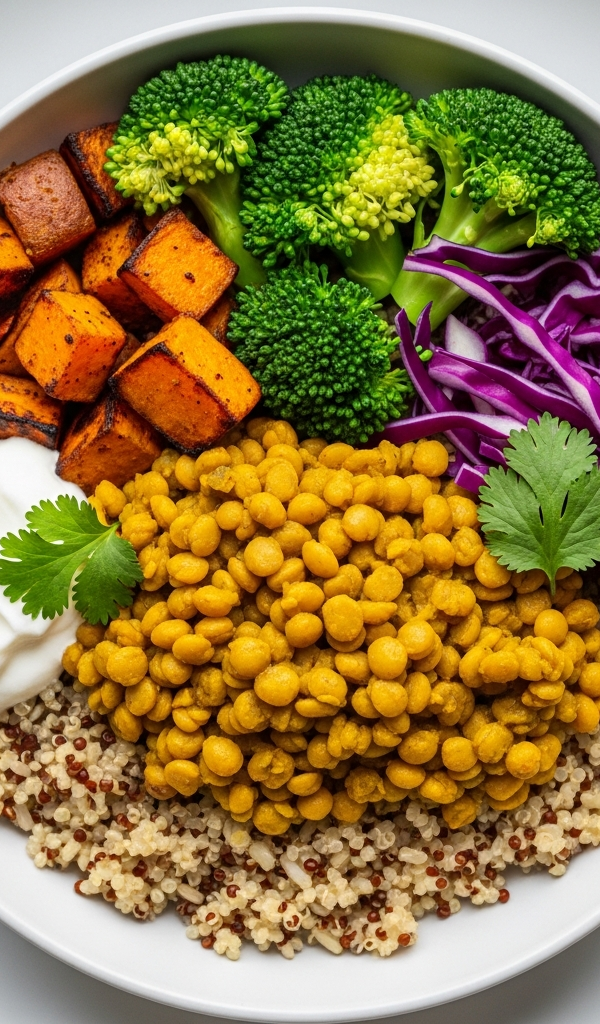 20 min
Curried Split Pea Grain Bowl
Split peas are the cheapest protein in the shop.
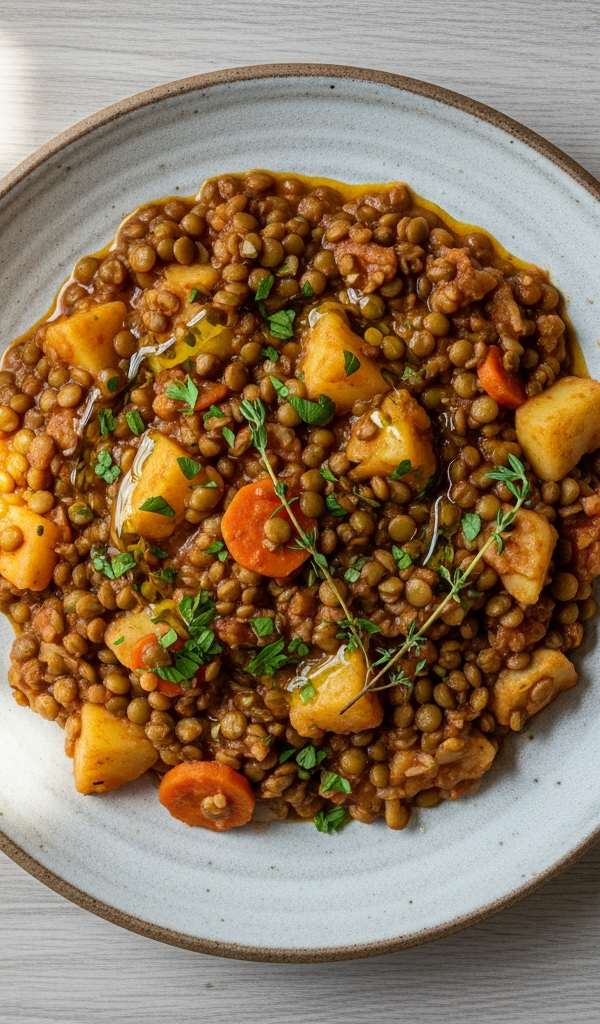 20 min
Hearty Potato and Lentil Stew
Makes dinner and the next day's lunch in one pot.
Frequently asked questions
Which supermarket is the cheapest?
There is no single answer that holds everywhere, which is why published league tables are unreliable - pricing varies by region, store format and promotional cycle, and any survey is out of date within weeks. Build a ten-item price book of the things you buy every week and compare unit prices across your realistic options. Twenty minutes gives you an answer that is actually true where you live.
How do I compare grocery prices between stores?
Compare unit prices - per pound, per ounce, per litre - rather than pack prices, because pack sizes differ between chains specifically to make shelf prices incomparable. Use the same specification at each store, total a fixed basket of ten frequently-bought items, and note which store wins each category rather than only which wins overall.
Is it worth shopping at multiple stores?
Only if they are close together and one is clearly better on a category you buy a lot of. Every extra trip adds unplanned purchases, and driving further costs fuel and time that belong in the comparison. For most households a single planned shop at a slightly pricier store beats two shops chasing category wins.
How much can I save by switching supermarkets?
Usually a few percent of the bill - real, but smaller than most people expect. What goes into the basket matters far more than where it is bought. Moving two dinners a week from meat to pulses, or cutting from three shopping trips to one, each save more than switching chains.