
Budgeting
How to cut monthly expenses
Cancelling subscriptions feels productive and changes very little. Here is the order that actually moves a monthly number — and why food comes first.
By Joao Dunlap · · 4 min read
The short version
- Sort every cost by how fast you can change it. Fix the fast ones first.
- Food is the biggest fast-moving line. $10.00 off a weekly shop is $516.00 a year.
- Fixed costs are worth more but take months. Start them now, do not wait for them.
- Subscriptions are the smallest win and the one everyone starts with.
Almost every guide to cutting expenses opens with subscriptions, because it is the easiest advice to give. Cancel four streaming services and you have saved perhaps forty dollars a month, once, and there is nothing left to cancel next month.
A more useful way to sort household costs is by how quickly you can change them, because that determines what to do this week versus what to start and wait on.
Sort costs by how fast they move
| Speed | Costs | What to do |
|---|---|---|
| This week | Groceries, eating out, takeaway, impulse spending | Where to start. Large, elastic, and a fresh attempt every seven days |
| This month | Subscriptions, phone plan, gym, unused memberships | Quick and finite. Do it once, do not expect it twice |
| This quarter | Insurance, broadband, energy tariff | Worth real money. Start the calls now, results land later |
| This year | Rent, car, debt structure | The biggest numbers and the slowest. Plan, do not wait idle |
The food line, specifically
A two-person household cooking most meals at home runs about $85.27 a week, roughly $366.66 a month. If your figure is well above that, the gap is nearly always one of three things.
The order to work through
- 1Plan next week's food against a number. Immediate, repeatable, and the largest fast win available.
- 2Count what you actually spend eating out. Separately from groceries — most people are surprised, and it is the fastest thing to change.
- 3Cancel what you genuinely do not use. Finite, but do it — it is free money once.
- 4Call your insurer, broadband and energy provider. Twenty minutes each and often worth more per year than every subscription combined.
- 5Look at the debt structure. Interest is a cost like any other, and usually the highest-rate one.
- 6Only then consider the large structural moves. Rent and car are the biggest numbers and the slowest to act on.
Meals that quietly lower the food line
Cheap per serving, no mid-week shop, and good enough that nobody feels they are economising. From the NeatEat library.
 20 min
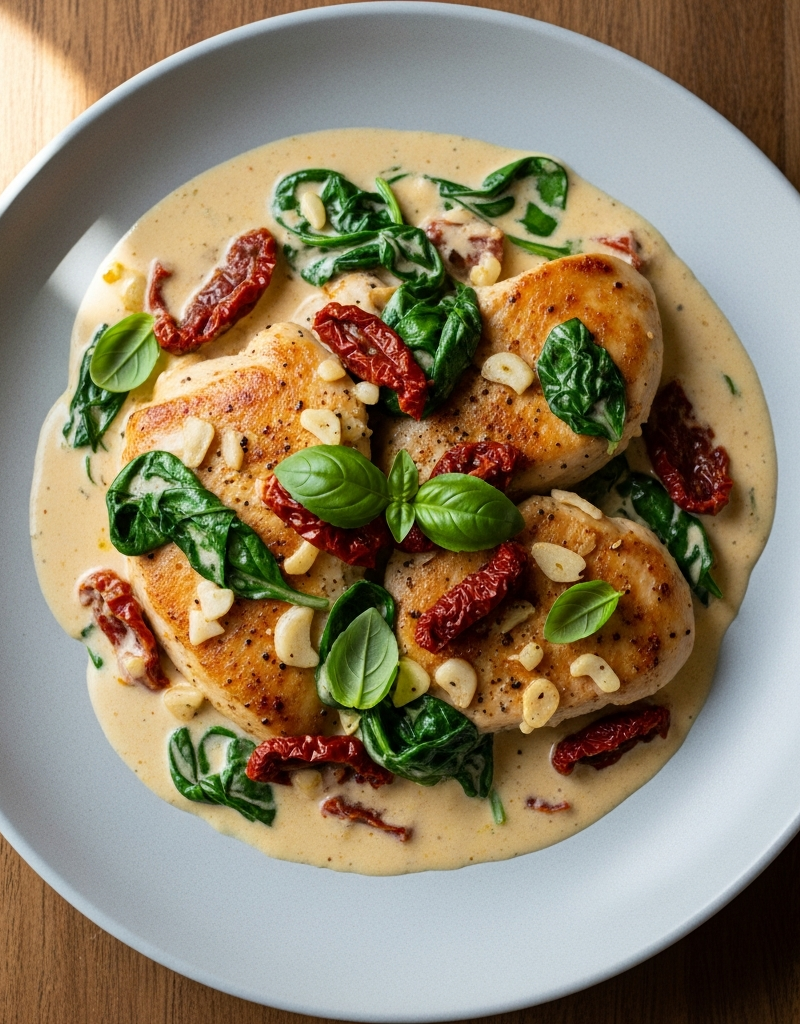
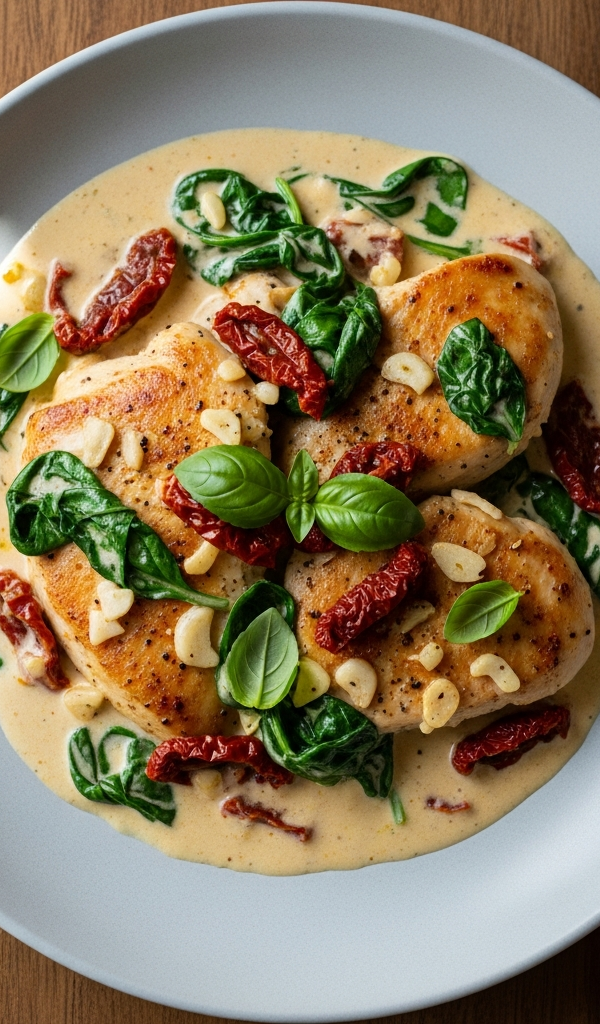
Creamy Tuscan Chicken
42g protein, one pan, tastes like a restaurant.
 20 min
Sweet Potato Turkey Chili
Big flavour, cheap cut, reheats better than it cooks.
 45 min
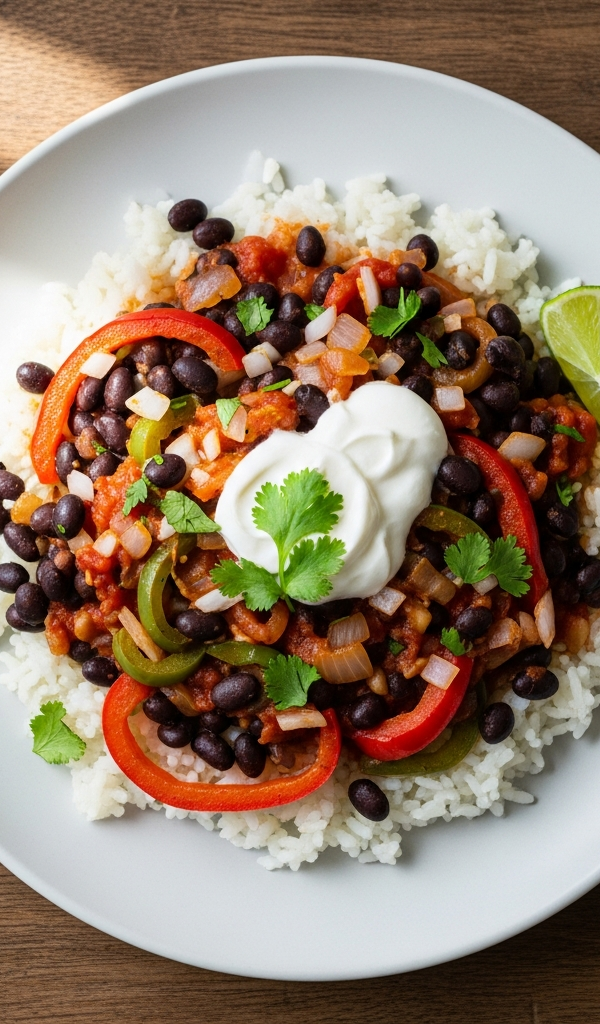
Simple Black Bean and Rice Skillet
One pan, under 40 cents of protein a serving.
 35 min
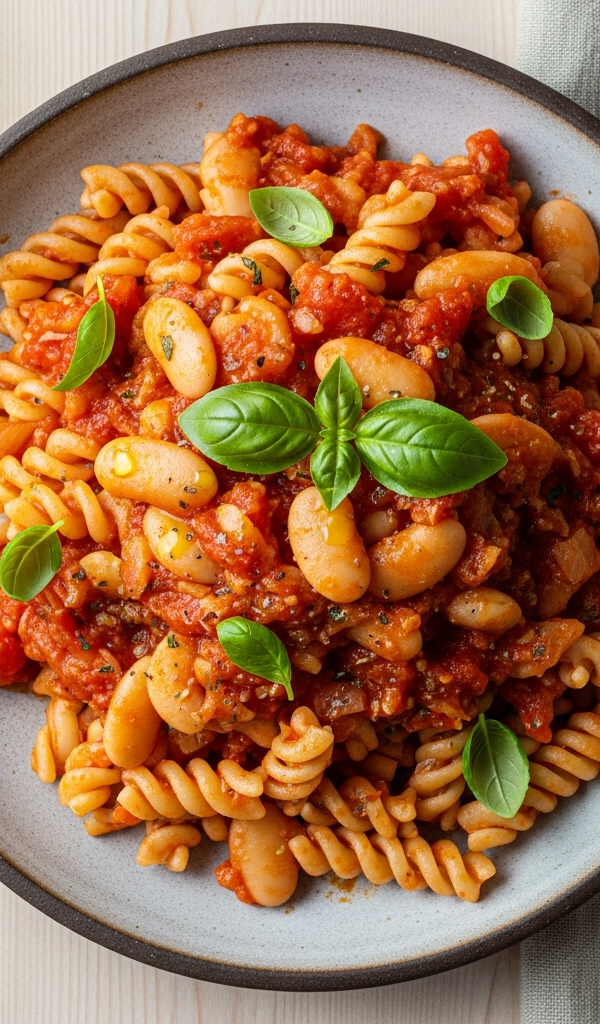
White Bean and Tomato Pasta Skillet
One skillet, one tin, done.
 20 min
Hearty Potato and Lentil Stew
Makes dinner and the next day's lunch in one pot.
 20 min
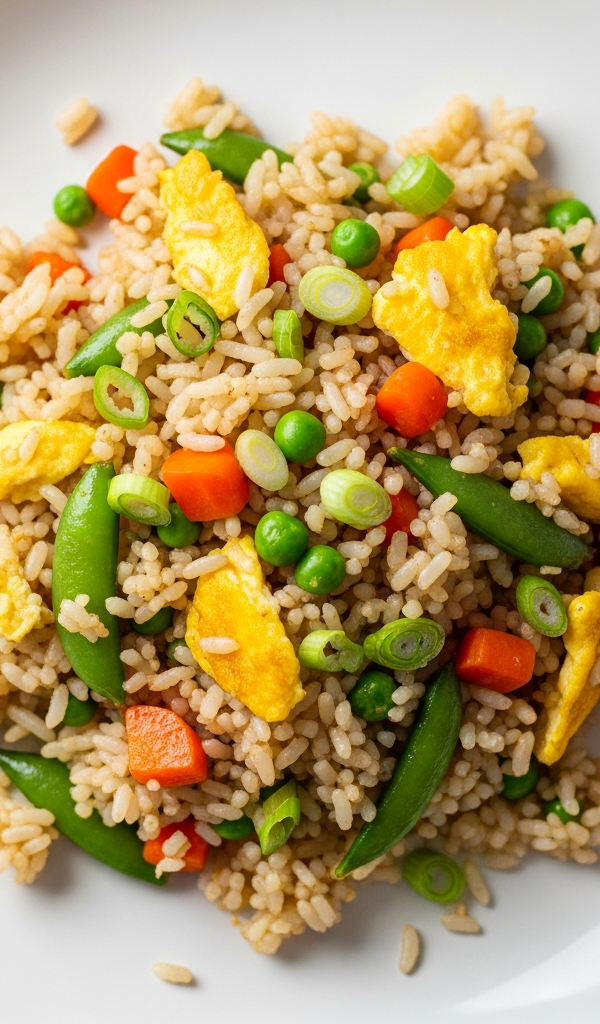
Cheap and Cheerful Egg Fried Rice
Leftover rice plus eggs. Twelve minutes, pennies a serving.
Frequently asked questions
What expenses should I cut first?
Food, both groceries and eating out. It is the only household cost that is large, elastic and weekly, so you get a fresh attempt every seven days rather than waiting for a renewal date. Subscriptions are the usual starting point and the smallest win - worth doing once, but finite.
How much can I save by cutting my grocery bill?
More than most people expect, because it repeats. Ten dollars off a weekly shop is $516.00 a year and twenty dollars is $1032.00. A household that has never planned its food can usually take 20-30% off without eating worse, mostly from fewer shopping trips, meat at fewer dinners and less waste.
How do I reduce my monthly living expenses?
Sort costs by how quickly they can change. Start with food this week, cancel unused subscriptions this month, renegotiate insurance, broadband and energy this quarter, and treat rent, car and debt as this year's projects. Starting with the slowest category means months with nothing to show.
Is it better to cut small expenses or big ones?
Big ones, but they move slowly, so do both in the right order. The mistake is starting with small recurring cuts because they feel achievable and stopping there. Begin the slow negotiations now and take the fast wins - primarily food - while you wait for them.