
Budgeting
How to stop ordering takeaway
Two deliveries a week costs about $64.00 — more than a full week of groceries for two. The fix is not willpower, it is having a twelve-minute option.
By Joao Dunlap · · 4 min read
The short version
- Two deliveries a week is roughly $64.00 — about $3328.00 a year.
- That is more per week than a full grocery shop for two, which is $85.27.
- You order because there is no fast option, not because you lack discipline.
- Fix it by keeping three twelve-minute meals permanently possible.
Nobody orders delivery because they wanted to spend the money. They order because it is seven o'clock, nothing is defrosted, and the alternative is forty minutes of work after a day that already used everything up.
The cost is genuinely large. Two deliveries a week — two mains, fees, tip — is about $64.00, which is more than a full week of groceries for two people at $85.27. Over a year it is roughly $3328.00.
$32.00
One delivery, two people
$85.27
A whole week of groceries, two people
$3328.00
Twice a week, for a year
Why willpower is the wrong tool
Deciding to order is a decision made under tiredness, hunger and time pressure, which is the exact condition in which intentions lose. Anything that relies on being disciplined at 7pm on a Wednesday will fail eventually, and usually quickly.
What works is removing the decision — making the fast option genuinely faster than opening the app.
The three-meal defence
Keep three specific meals permanently possible. Not a list of ideas — three meals whose ingredients live in the house at all times.
- 1
One from the freezer
A portion of chilli or stew frozen flat, thawed in a sink of water in twenty minutes or straight into a pan. This is the one that beats delivery on nights you have nothing fresh at all.
- 2
One from the cupboard
Pasta with tinned tomatoes and whatever pulse is open. Ten minutes, entirely shelf-stable, always possible.
- 3
One from eggs
Fried rice, an omelette, or eggs on toast. Eggs keep for weeks and cook in four minutes — the fastest real food in the house.
- 4
Never let all three run out at once
Put them on the shopping list permanently, whether or not you plan to cook them. They are insurance, and the cost of the ingredients is trivial against one delivery.
Meals faster than delivery
All of these are quicker than a delivery arrives, and made from things that keep. From the NeatEat library, which plans a fast option into every week on purpose.
 15 min
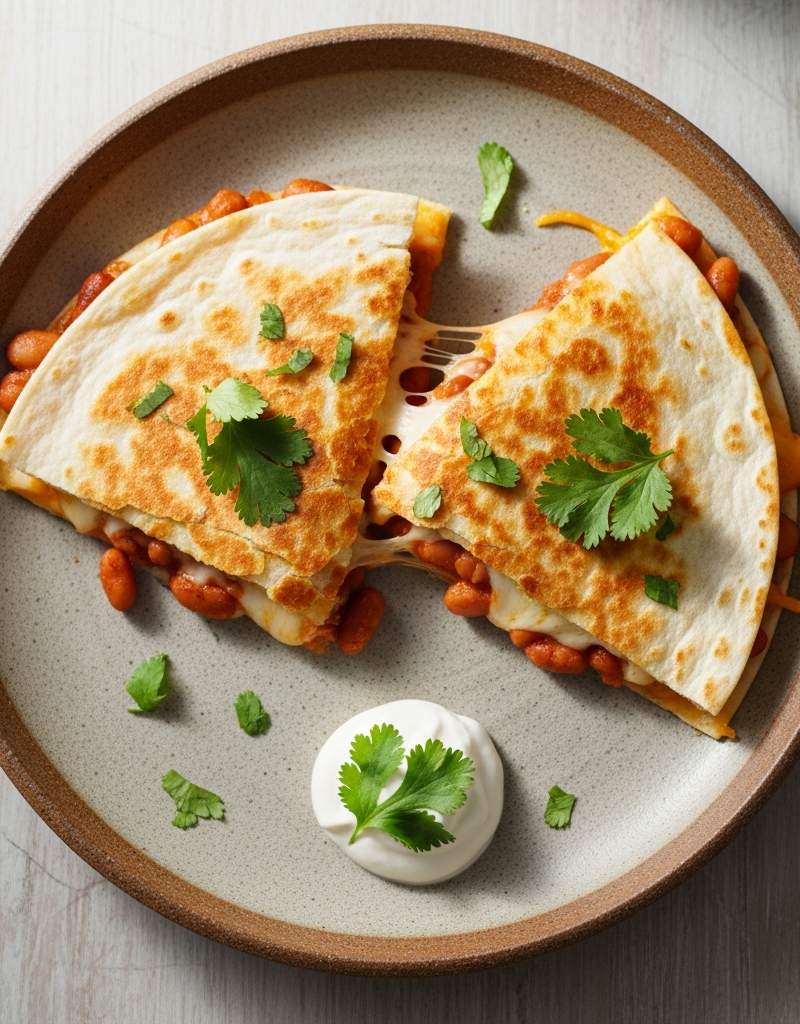
Cheesy Bean Quesadillas
Fifteen minutes, four ingredients, children eat it.
 20 min
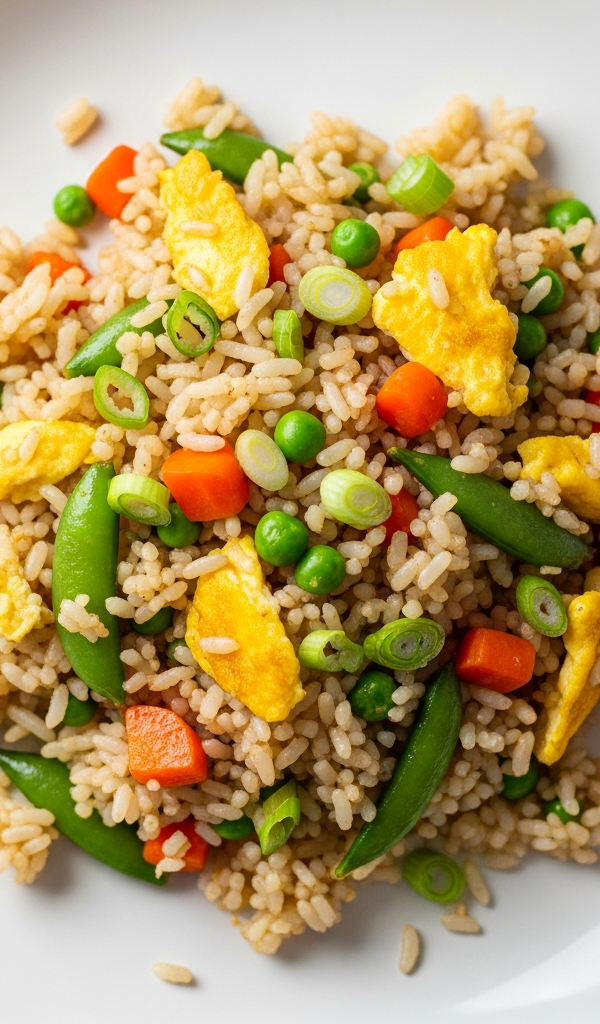
Cheap and Cheerful Egg Fried Rice
Leftover rice plus eggs. Twelve minutes, pennies a serving.
 15 min
Spinach and Cheese Scramble
Fifteen minutes, 20g of protein, three ingredients.
 20 min
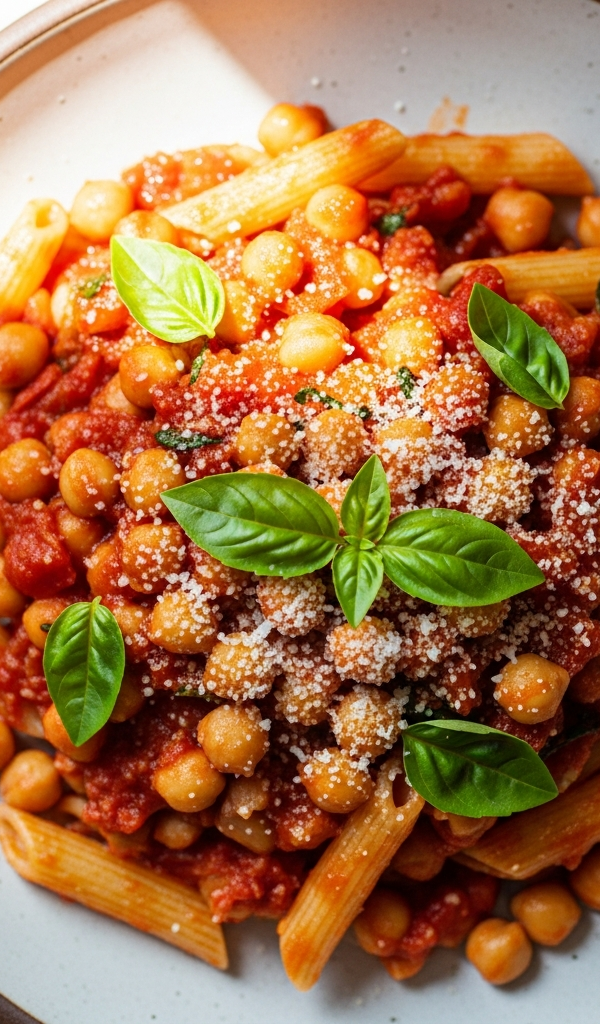
Tomato and Chickpea Pasta
Two tins and a bag of pasta.
 10 min
Greek Yogurt and Chickpea Salad
Ten minutes, no cooking, 32g protein.
 20 min
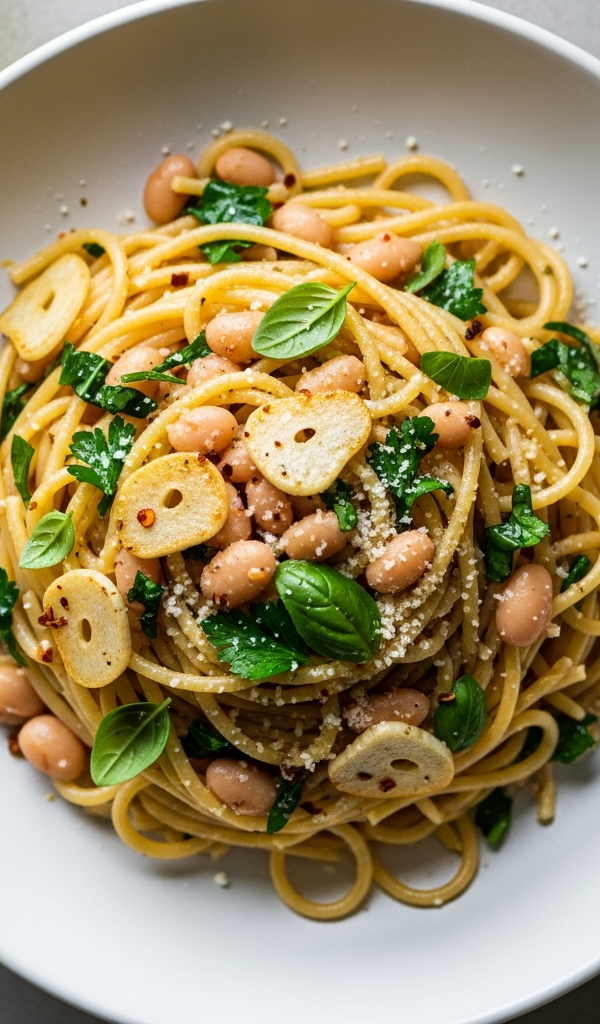
Budget Garlic and Herb Pasta with White Beans
Pantry-only. The night you forgot to shop.
Frequently asked questions
How much does ordering takeaway actually cost?
More than most people realise once delivery fees, service charges and tips are counted. Two orders a week for two people runs around $64.00, which is more than a full week of groceries for the same household at $85.27. Across a year that is roughly $3328.00.
How do I stop ordering food when I am tired?
Stop relying on willpower at 7pm and make the fast option genuinely faster than the app. Keep three specific meals permanently possible - one frozen portion, one entirely from the cupboard, and one built on eggs - and keep their ingredients in the house at all times. Delivery takes 30 to 45 minutes; anything you can cook in twelve beats it on speed as well as cost.
Should I stop ordering takeaway completely?
Usually not. A total ban tends to be followed by a rebound that cancels the saving. Keep one planned takeaway a week, budget for it, and defend the other nights - a known, chosen cost is very different from four unplanned orders driven by tiredness.
Does meal planning stop takeaway ordering?
It removes the main cause, which is arriving at dinner time with no plan and nothing defrosted. A planned week means the food is already bought and the decision is already made, so the fast option is available rather than theoretical.