
Grocery budgeting
How to reduce food waste
Waste is the cheapest saving available — you buy less by throwing less away. Here is where it actually happens, and the order to fix it in.
By Joao Dunlap · · 5 min read
The short version
- Waste is the one saving that costs nothing — you eat exactly the same.
- The fast-spoiling produce in a typical week is about $13.27. Throwing a third away is $4.38 a week.
- The repeat test fixes most of it: every ingredient must appear in two meals.
- Store it right and plan the order you eat it in. Delicate things first, cabbage last.
Every other way of cutting a grocery bill involves eating something different — cheaper protein, fewer treats, more beans. Cutting waste is the only one where you eat exactly what you were going to and simply buy less of it.
The money is real. In a normal week's shop the fast-spoiling produce — the broccoli, spinach, tomatoes, peppers and bananas — comes to about $13.27. A household that bins a third of that is losing $4.38 a week, or $227.76 a year, for nothing.
Where food waste actually happens
The fixes, in order of what they save
- 1
Apply the repeat test to every line on the list
Before an ingredient goes on the list, name the second meal it appears in. No answer means it does not go on the list. This single question eliminates most household food waste, because nearly all of it comes from single-use ingredients.
- 2
Plan the order you eat things in
Spinach, salad and berries in the first two days. Broccoli and peppers mid-week. Cabbage, carrots, potatoes and onions at the end — they will still be fine on Sunday. Waste is often just a sequencing mistake.
- 3
Shop your fridge before you write the list
Two minutes looking at what is already there. Most households start each week with $10–20 of food they have forgotten, and buying its replacement is how it ends up in the bin.
- 4
Store things properly, which mostly means differently
Herbs upright in water. Potatoes and onions apart and in the dark. Bread in the freezer if it will not be eaten in three days. Most produce lasts considerably longer than people assume when it is stored right.
- 5
Freeze the moment you know, not when it turns
Bread, cooked portions, over-ripe bananas, herbs in oil. Freezing works as prevention and barely works as rescue — by the time something looks doubtful it is too late.
- 6
Keep one clear-out meal in the week
A fried rice, a frittata, a soup, a hash. One night that exists specifically to absorb whatever is left. It is the pressure valve that stops a plan becoming waste.
What keeps longest, in order
| Eat | Items | Rough window |
|---|---|---|
| First | Spinach, salad leaves, berries, fish | 1–3 days |
| Early | Broccoli, tomatoes, peppers, bread | 3–5 days |
| Mid | Chicken, mince, yogurt, milk | 3–5 days |
| Late | Carrots, cabbage, apples, eggs | 1–3 weeks |
| Any time | Potatoes, onions, rice, pasta, dried pulses, tins | Months |
Meals that exist to use things up
Every one of these is a clear-out meal — they take whatever is left and turn it into dinner. From the NeatEat library, which builds the week so there is less left over in the first place.
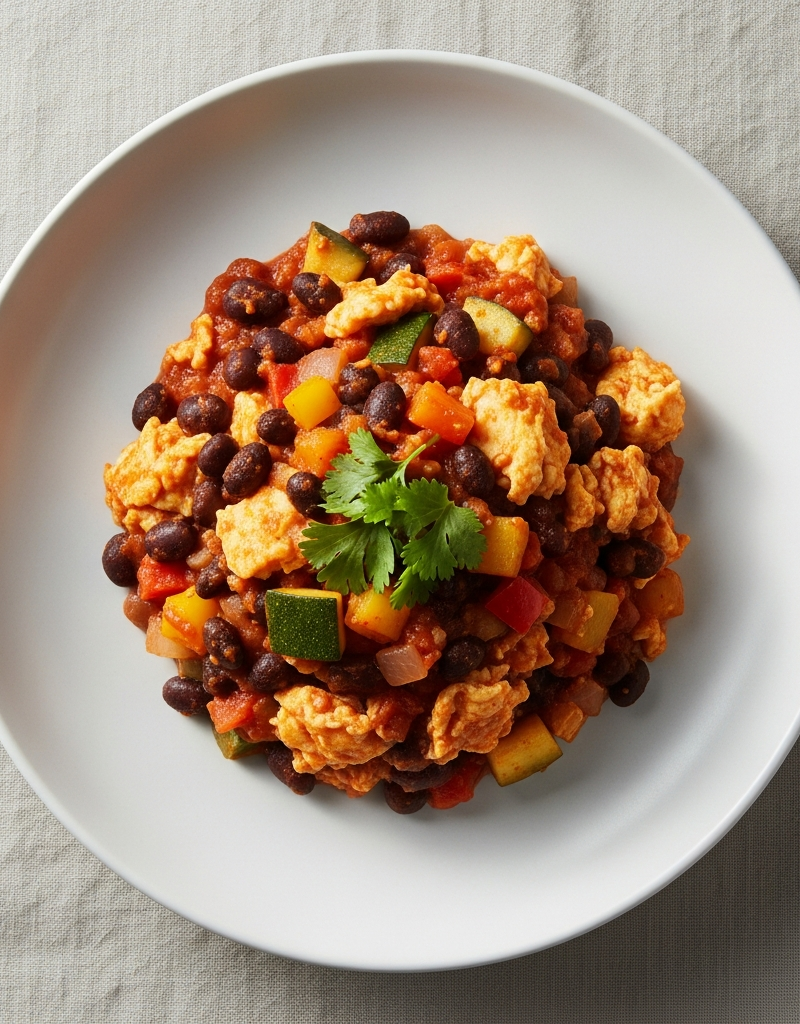
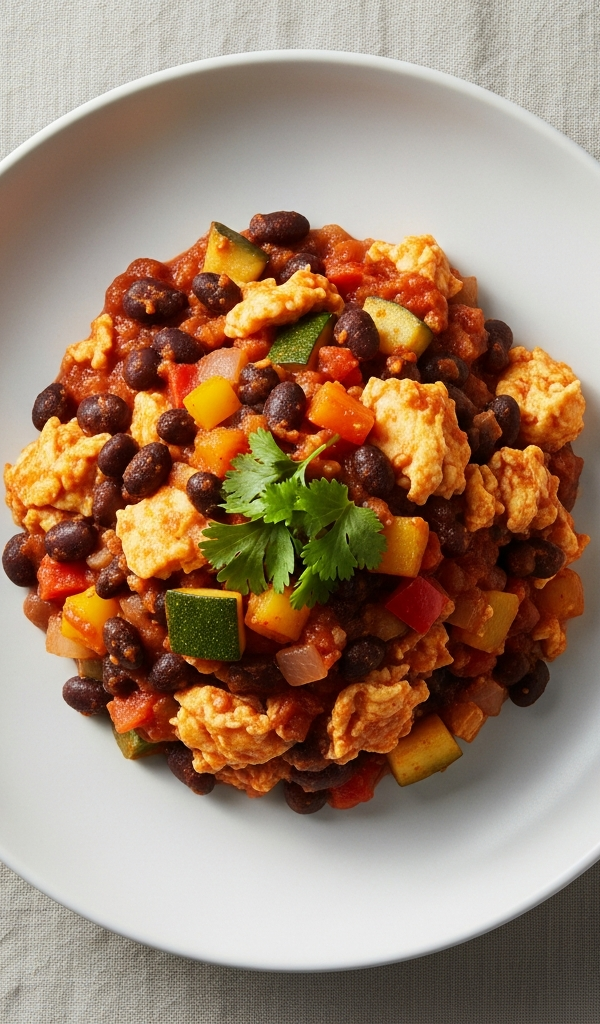 20 min
Egg Chili with Black Beans and Vegetables
30g protein, built from tins and eggs.
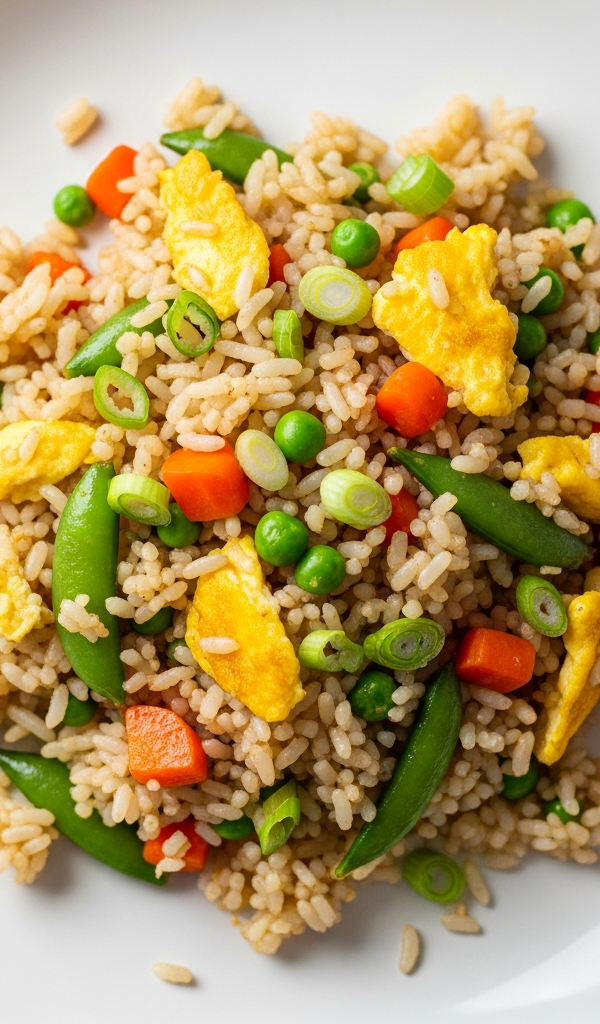 20 min
Cheap and Cheerful Egg Fried Rice
Leftover rice plus eggs. Twelve minutes, pennies a serving.
 20 min
Egg and Vegetable Skillet Hash
Uses up whatever vegetables are left. 31g protein.
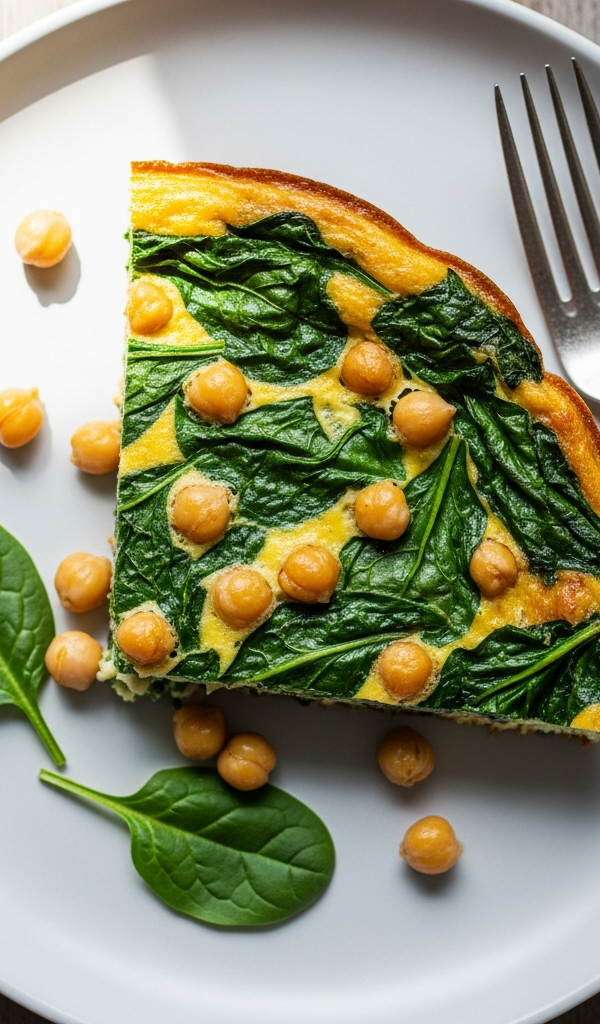 20 min
Chickpea and Spinach Frittata
Cooks once, eats cold. 32g protein a serving.
 20 min
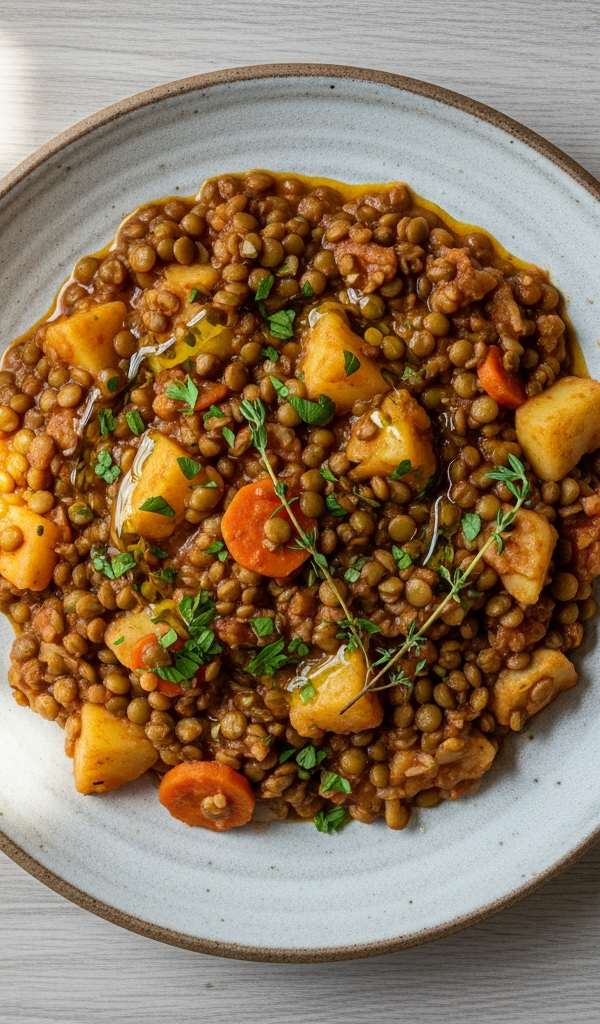
Hearty Potato and Lentil Stew
Makes dinner and the next day's lunch in one pot.
 20 min
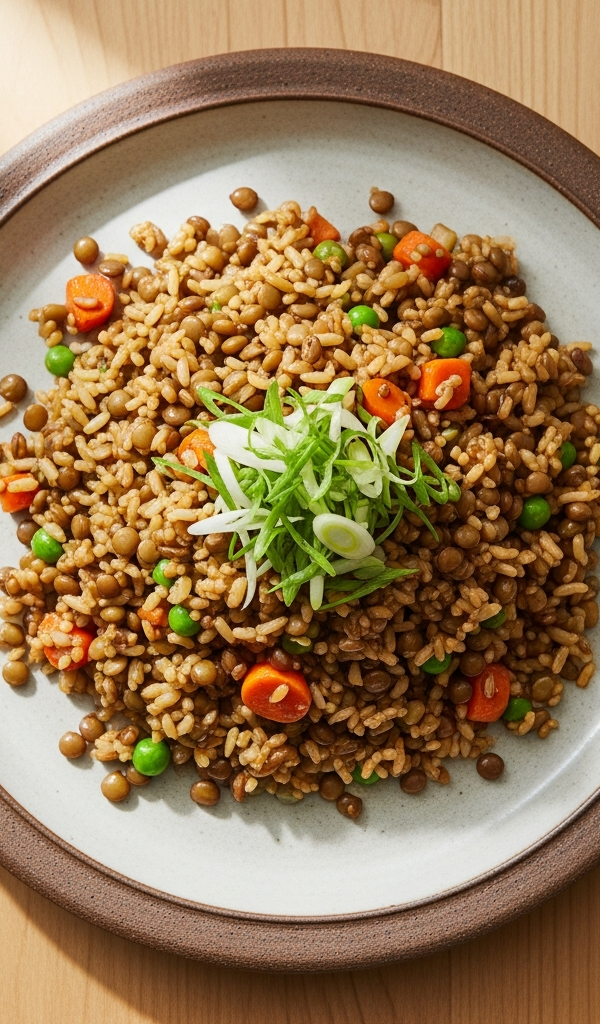
Vegetarian Lentil Fried Rice
Uses yesterday's rice and a handful of lentils.
Frequently asked questions
How do I stop wasting food at home?
Apply the repeat test: every ingredient on your shopping list has to appear in at least two meals, or it does not go on the list. Most household waste comes from single-use ingredients bought for one recipe. Then plan the order you eat things in - delicate produce first, cabbage and root vegetables last - and keep one scheduled clear-out meal each week.
How much money does food waste actually cost?
More than most people expect, because it is invisible. The fast-spoiling produce in a typical week's shop is around $13.27; a household throwing away a third of it loses about $4.38 a week, or $227.76 a year, while eating exactly the same food.
What order should I eat my groceries in?
Spinach, salad leaves, berries and fish in the first two or three days. Broccoli, tomatoes, peppers and bread by mid-week. Carrots, cabbage, apples and eggs late in the week - they hold for one to three weeks. Potatoes, onions, rice, pasta and tins have no real deadline.
Does meal planning reduce food waste?
Substantially, because it changes what you buy rather than how you store it. A week planned around six to eight repeating base ingredients has very little that can spoil unused, whereas a shop assembled from unrelated recipes leaves part-used ingredients with nowhere to go.
Is it better to freeze food or throw it out?
Freeze, but freeze early. Freezing works as prevention rather than rescue - bread on day one, cooked portions the day they are made, over-ripe bananas before they turn. Something already past its best does not come back from the freezer, so the decision has to be made while the food is still good.